

Volterra
Nestled in the heart of Tuscany, Volterra offers a captivating journey through time with its well-preserved medieval charm and Etruscan roots. The city's history is evident as you wander through its narrow, winding streets, flanked by ancient walls that date back to the Etruscan period. The Roman Theater, built in the 1st century AD, is a testament to the city's significance in antiquity and provides an evocative glimpse into Volterra’s storied past.
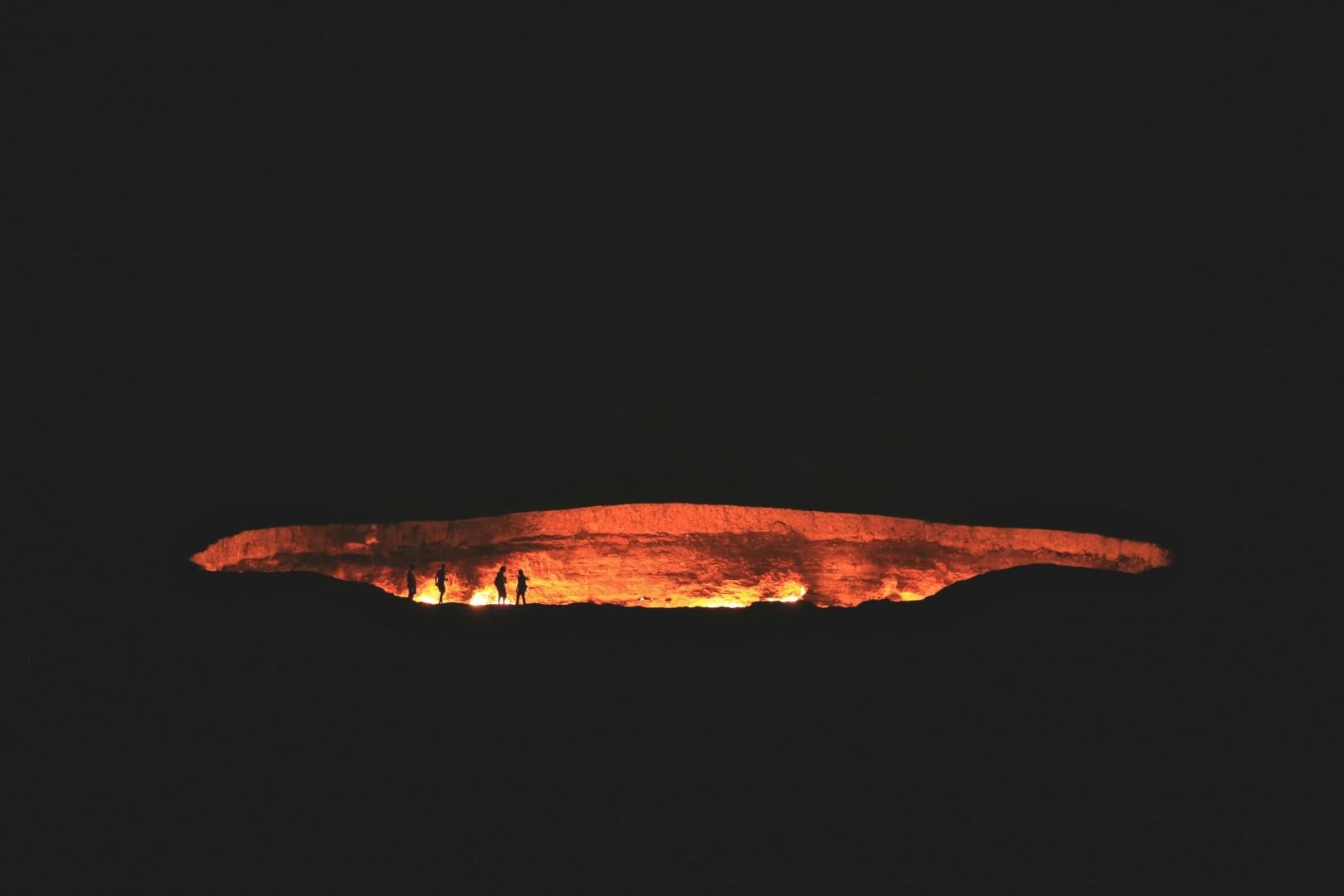
Darvaza
The Darvaza Gas Crater, famously nicknamed the “Door to Hell,” is one of Turkmenistan’s most extraordinary landmarks. Located deep in the Karakum Desert, this fiery pit has been burning continuously since the early 1970s, when Soviet engineers reportedly set fire to a collapsed natural gas field to prevent the spread of methane.
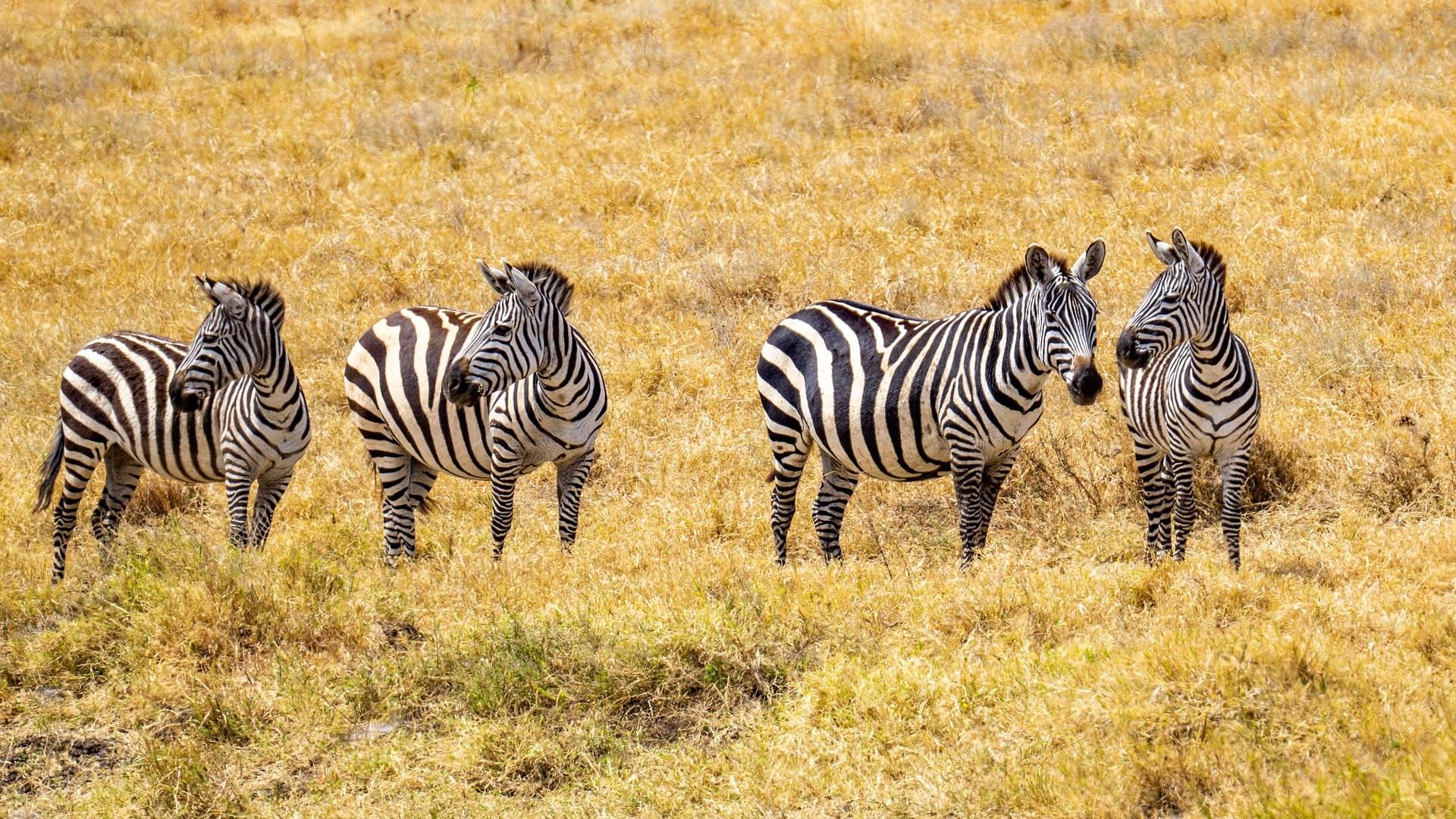
Tanzania
Tanzania, located in East Africa along the Indian Ocean, is a country of extraordinary landscapes and cultural diversity. It is home to Africa’s tallest peak, Mount Kilimanjaro, and vast plains such as the Serengeti, where wildlife roams freely across open savannas.
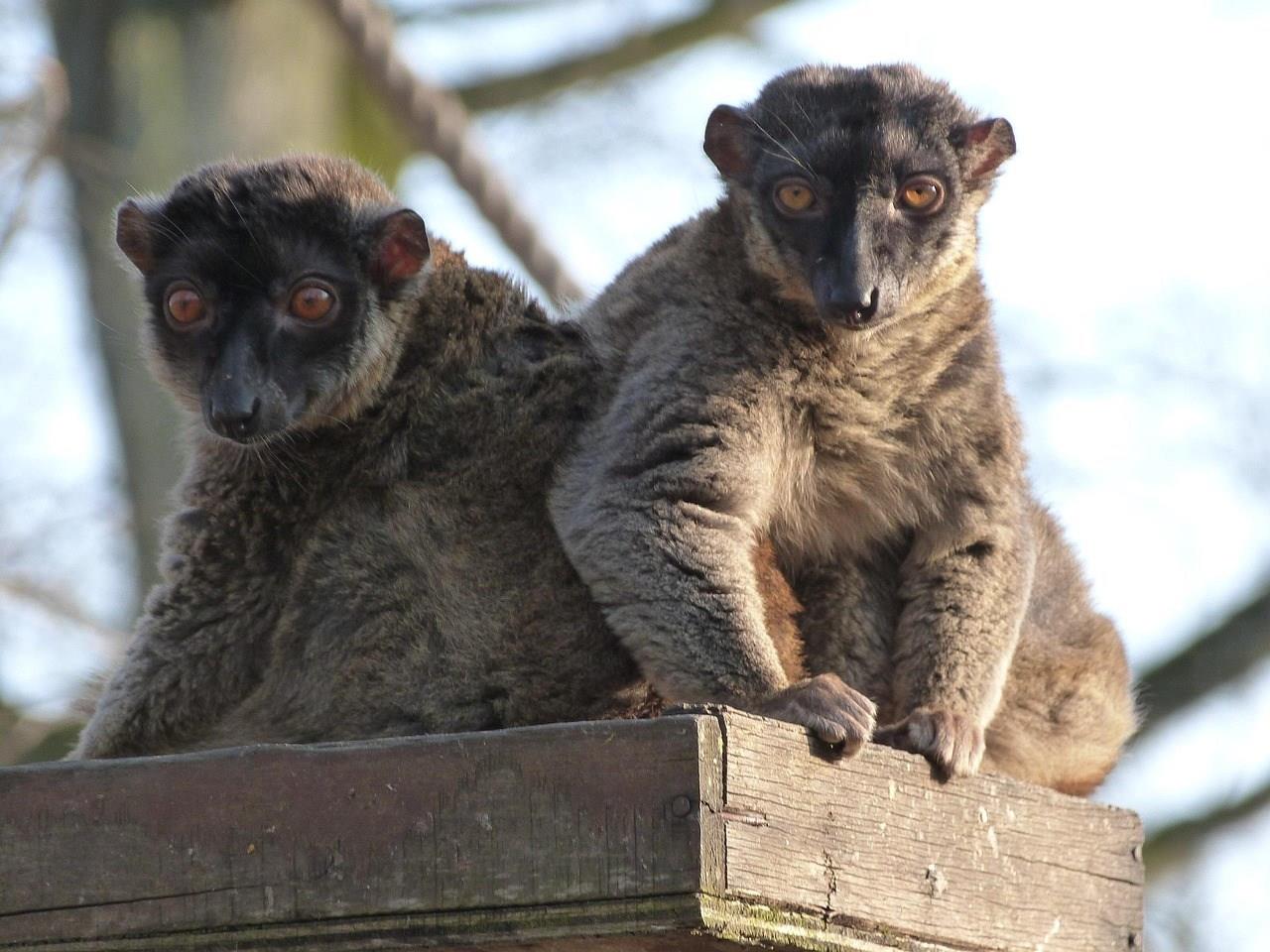
Mayotte
Mayotte, a French overseas department nestled in the Mozambique Channel between Madagascar and mainland Africa, offers travelers a window into a lesser-known island culture shaped by Swahili, Malagasy, and French influences. Unlike its neighbors in the Comoros archipelago, Mayotte remains part of France, giving it a unique blend of European infrastructure and Indian Ocean traditions.

Luxembourg
Luxembourg City, the capital of the Grand Duchy of Luxembourg, is a stunning blend of medieval charm and modern sophistication. Perched atop dramatic cliffs and surrounded by deep gorges, this city offers a unique and breathtaking landscape. The UNESCO-listed Old Town is an essential starting point for visitors, with its ancient fortifications, narrow cobblestone streets, and grand squares.
