
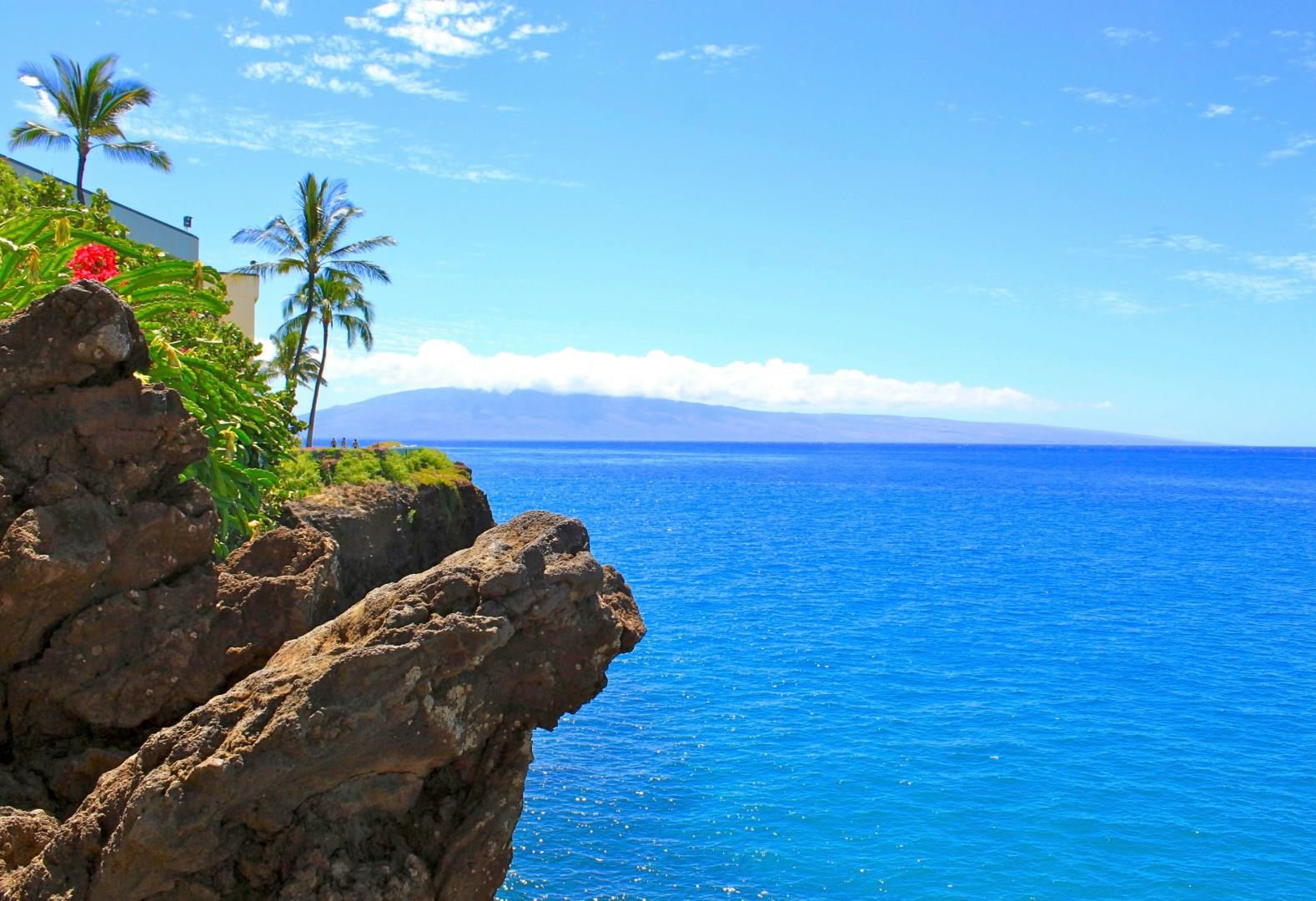
Kaanapali, Maui
In ancient times, Kaanapali was a royal retreat for the rulers of Maui, who delighted in the perfect three-mile stretch of white sand beach, the gentle waves, warm sunny days and the majestic West Maui Mountains. Maui royalty surfed, raced their outrigger canoes, feasted at luaus that lasted for weeks, and where the Kaanapali Golf Course now blankets the land, they played ulu maika, a form of lawn bowling with heavy lava balls.

Bucharest
Tree-lined avenues, grand architecture, and the imperative to live well defines Bucharest, a bustling city that is rebounding and expanding. In the 1900s, this vibrant Romanian capital was nicknamed "Little Paris" and that jubilant, raise-a-glass spirit carries over to this day.

Skopje
Skopje, the capital of North Macedonia, offers a fascinating blend of ancient history and modern transformation. A walk through the city reveals layers of Roman, Byzantine, and Ottoman influences, making it a treasure trove for history lovers. Begin your journey at the iconic Stone Bridge, a symbol of the city that dates back to the 15th century, linking the Ottoman Old Bazaar with Skopje’s modern city center.
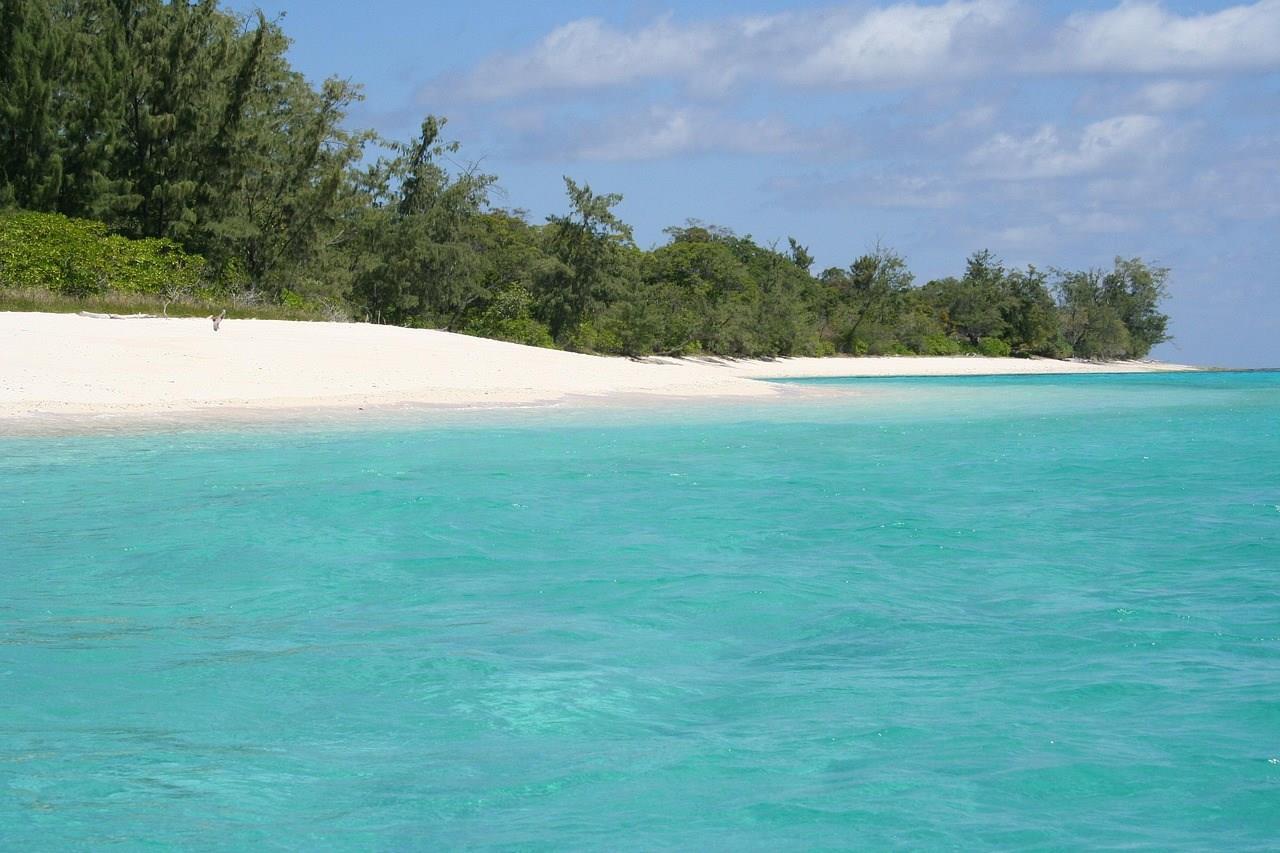
Timor-Leste
Timor-Leste, one of the world’s youngest nations, is a place where resilience and cultural richness shape everyday life. Its history is deeply marked by centuries of Portuguese colonial rule, followed by Indonesian occupation and a long struggle for independence, achieved in 2002.
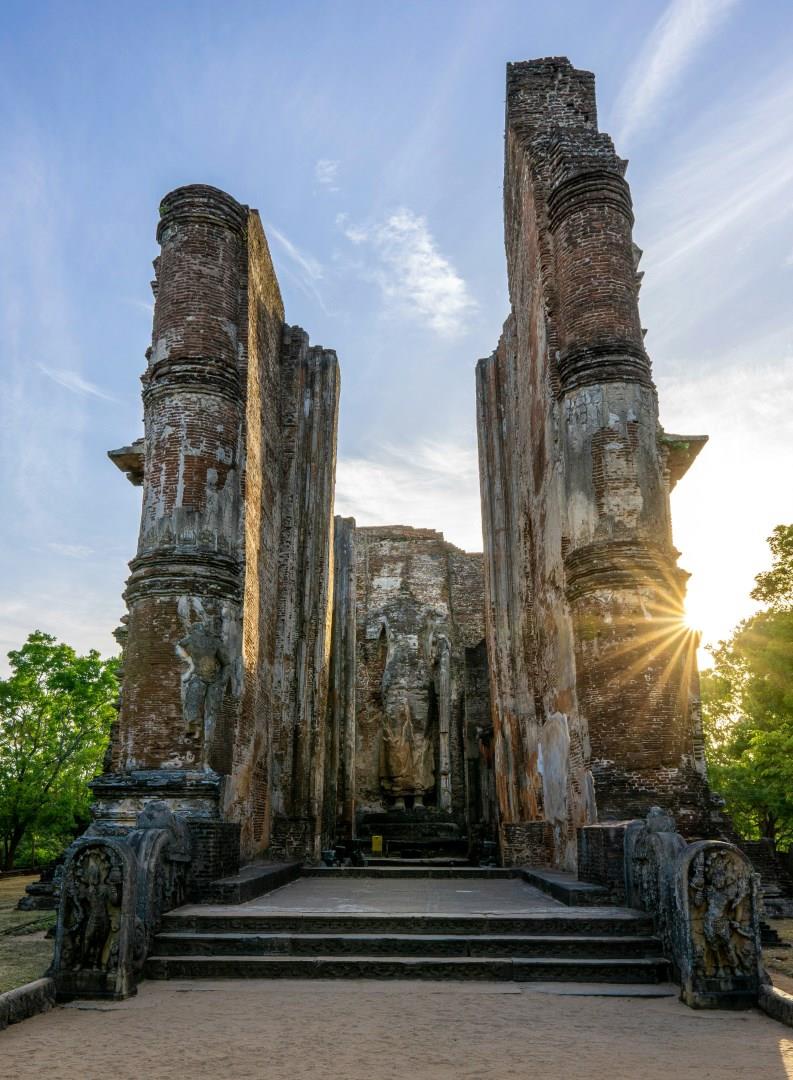
Polonnaruwa
Polonnaruwa, located in Sri Lanka’s North Central Province, served as the island’s capital nearly a thousand years ago. Today, it offers one of the most extensive and well-preserved archaeological sites in South Asia. Visitors can walk among the ruins of royal palaces, Buddhist monasteries, and intricately carved stone temples. One of the highlights of Polonnaruwa is the Gal Vihara, a group of colossal Buddha statues carved directly into granite.
