

Flåm
Flåm is a charming village nestled in the breathtaking fjords of Norway. Highlights include the Flåm Railway Museum, Fretheimshaugane park, and Otternes Bygdetun, a remote farm dating back to the 18th century.

Yangon
Yangon, Myanmar’s largest city, blends colonial heritage, cultural diversity, and spiritual landmarks. Once the country’s capital, it remains the economic and cultural hub, with lively markets, tree-lined avenues, and historic buildings that reflect its layered past under British, Burmese, and regional influences.
Saratoga Springs
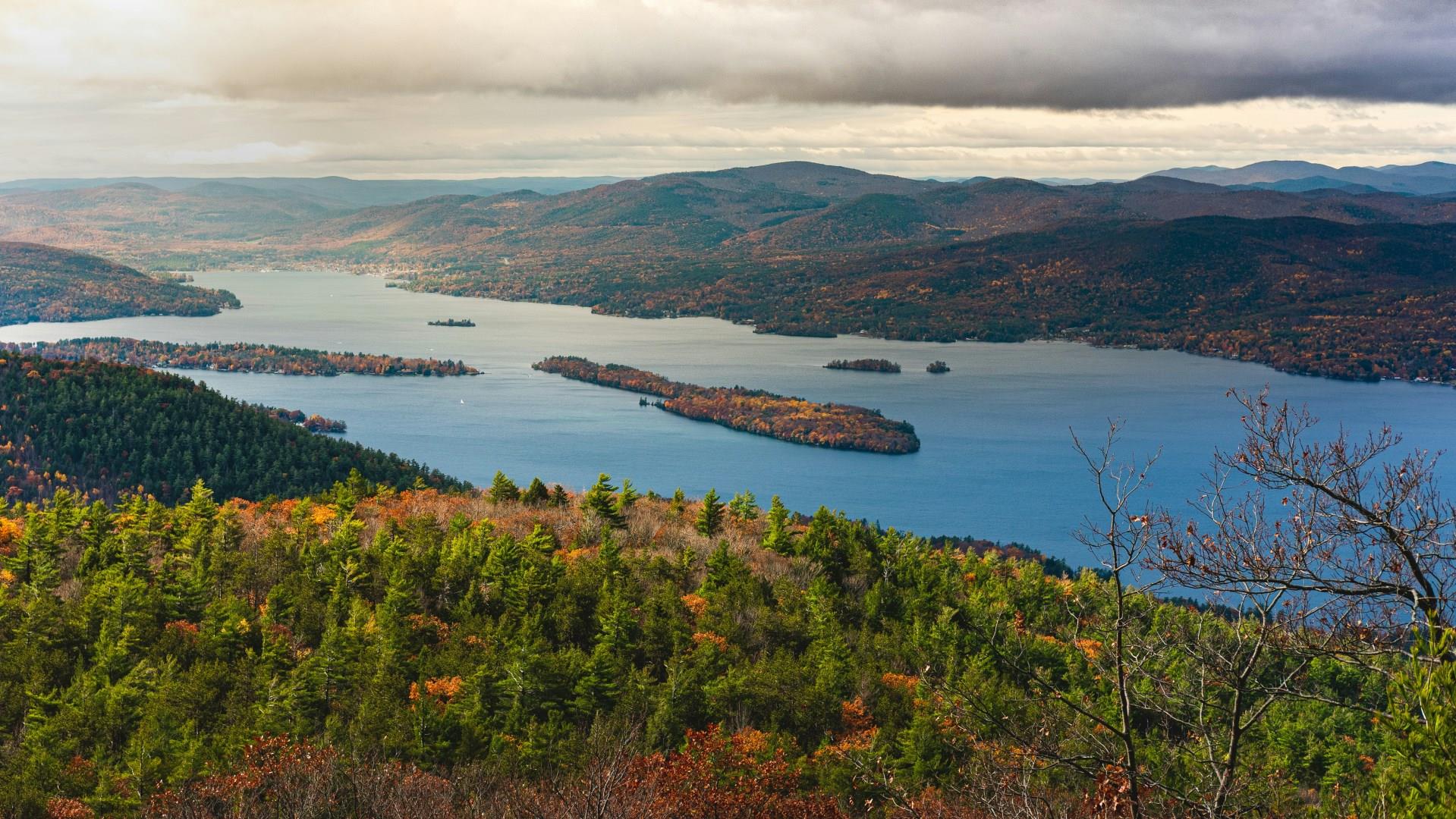
Saratoga Springs, New York, has long drawn visitors with its bubbling mineral springs, historic charm, and a calendar full of events that give the town a lively edge. Known as “The Spa City,” Saratoga first gained fame in the 19th century for its naturally carbonated waters, believed to have healing properties. Downtown Saratoga Springs is known for its walkable streets, filled with locally owned boutiques, cafés, and bookstores.

Passau
Passau sits on the confluence of the Danube, the Inn and the Ilz, so it is fitting that it is known as "the Dreiflüssestadt", which means the “City of Three Rivers.” The historical center offers a cathedral, churches and museums to explore, and the embankment is perfect for a romantic stroll.
Chuuk
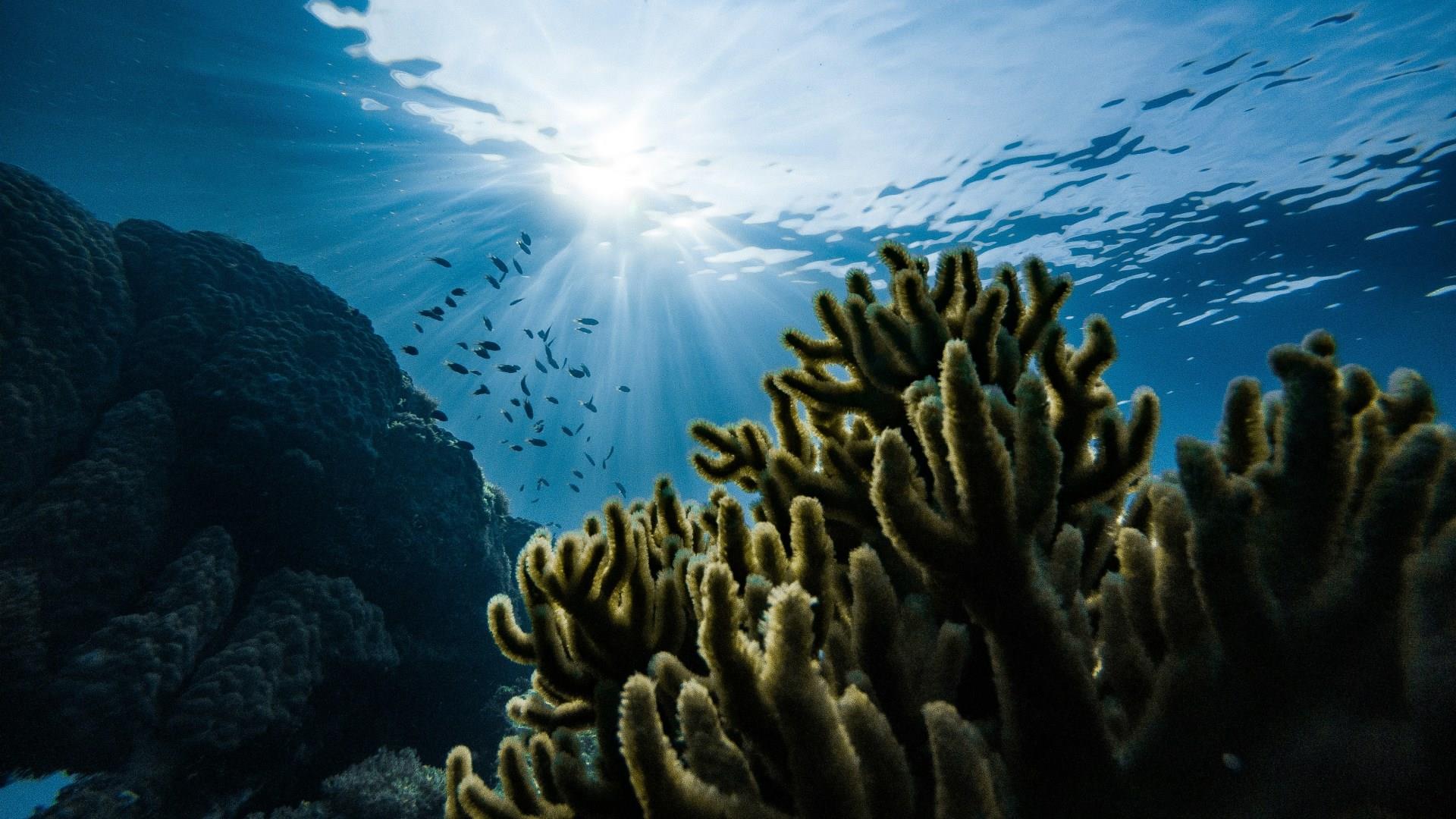
Chuuk, one of the four states of the Federated States of Micronesia, is best known for its vast lagoon which is one of the largest enclosed lagoons in the world. But what sets Chuuk apart is what lies beneath those calm blue waters: an entire underwater fleet of sunken warships, aircraft, and submarines left from World War II. Often called the "Ghost Fleet of Truk Lagoon," these wrecks make Chuuk a global destination for experienced divers.
