

Salvador da Bahia
Salvador da Bahia, often simply called Salvador, is a city where the soul of Brazil truly shines. As the capital of the state of Bahia and one of the oldest colonial cities in the Americas, Salvador offers a rich tapestry of Afro-Brazilian culture, vibrant music, and historic architecture.
Tongariro National Park
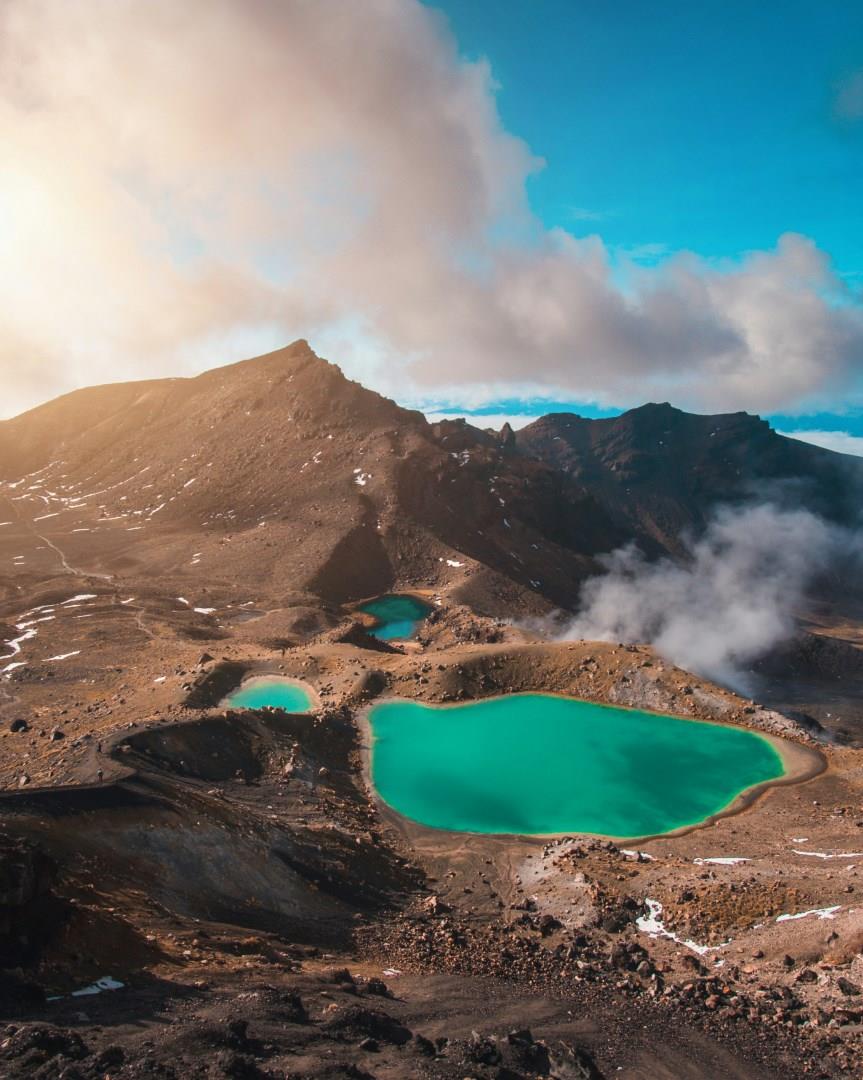
Tongariro National Park, on New Zealand’s North Island, holds deep cultural meaning as well as striking geological presence. It was the country’s first national park, gifted to the nation by Ngāti Tūwharetoa chiefs in the 19th century, establishing a model that tied conservation to Māori guardianship. The volcanic peaks of Tongariro, Ngāuruhoe, and Ruapehu are considered ancestors, giving the landscape a living cultural identity rather than a purely scenic one.
Georgetown
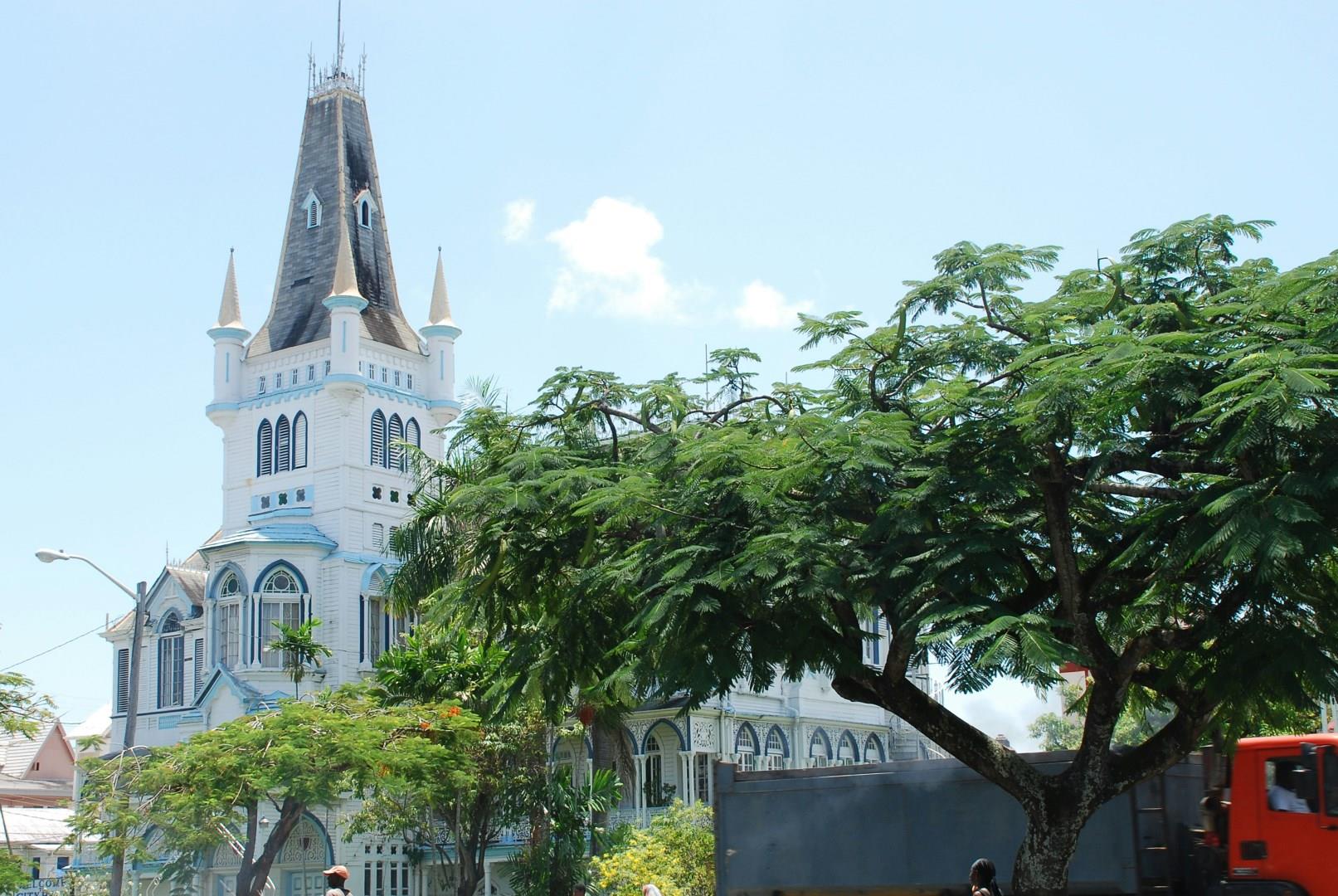
Georgetown, Guyana’s capital, is a city of wooden cathedrals, tree-lined canals, and street corners alive with music, food, and political discussion. Located at the mouth of the Demerara River, the streets still follow the Dutch grid system, and the city’s architectural signature, with its elegant wooden buildings with louvered shutters and fretwork, make it one of the most visually distinct capitals in South America.
Mahajanga
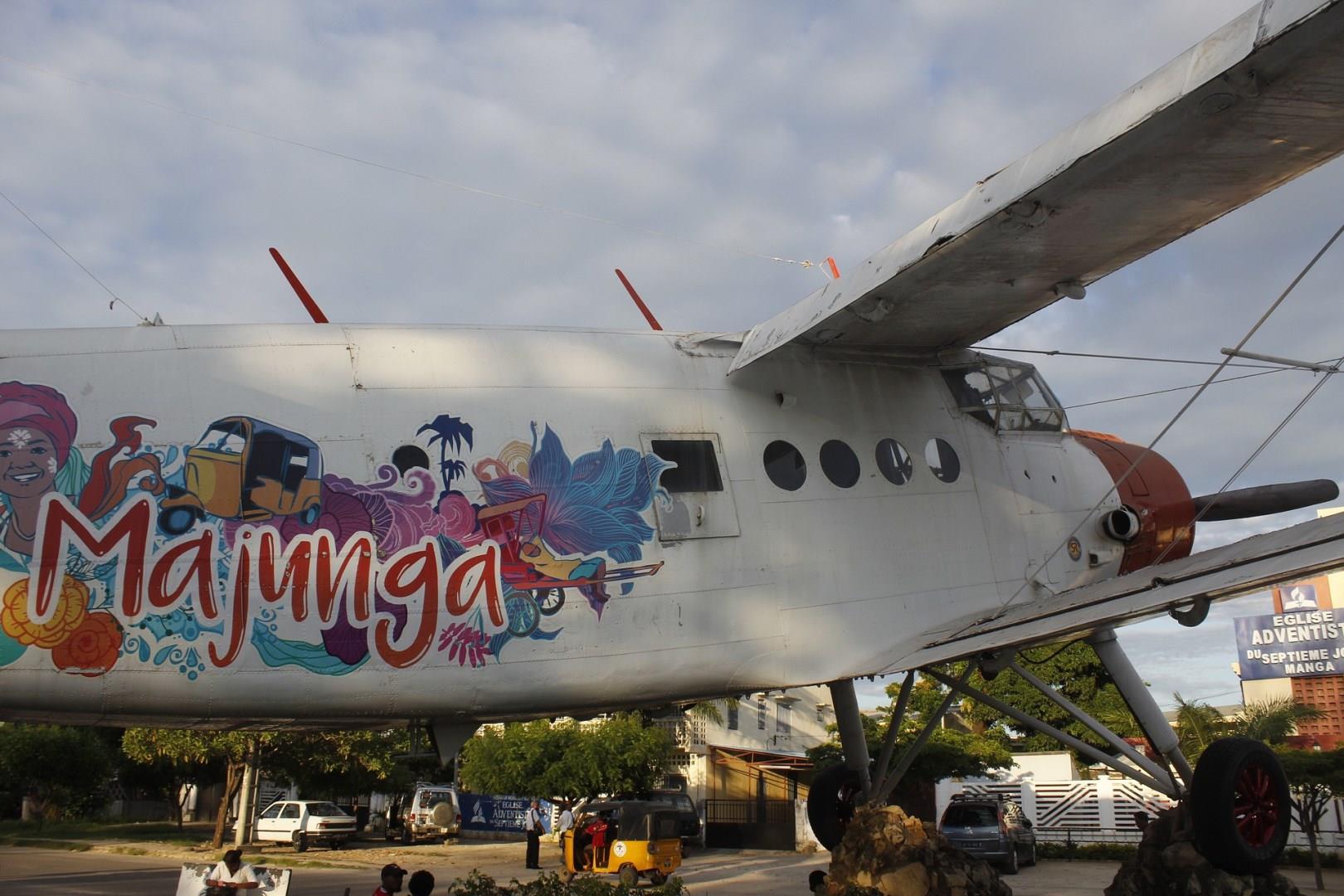
Majunga, officially known as Mahajanga, is a picturesque coastal city in northwestern Madagascar that invites travelers with its vibrant culture and serene beauty. Situated along the Mozambique Channel, this port city is a gateway to some of Madagascar’s most stunning beaches and marine reserves. The city's palm-lined promenade, known as the Avenue of the Baobabs, is a local favorite, offering breathtaking views of the sunset over the ocean.
Nigeria
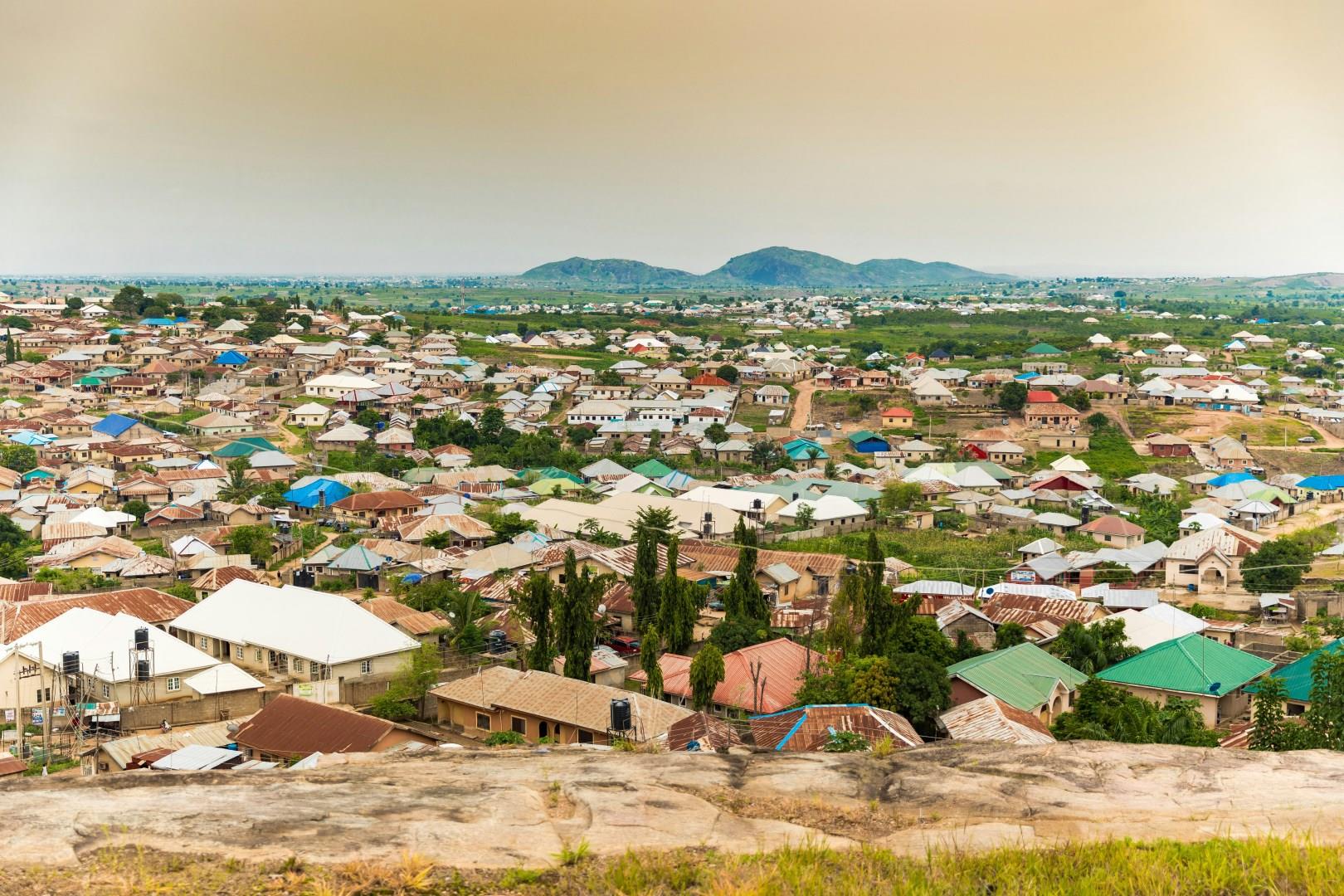
Nigeria, located in West Africa, is a country known for its diversity in culture, language, and landscapes. It is home to over 200 million people, making it the most populous country in Africa.
