

Bolivia
Bolivia is a country where altitude meets attitude high in the Andes with rich traditions that stretch back thousands of years. Its capital, La Paz, sits in a bowl-shaped valley surrounded by jagged peaks, making it one of the highest cities in the world. Cable cars glide over the city’s rooftops, linking markets, museums, and neighborhoods in a way that doubles as both transport and sightseeing. From here, visitors can easily reach the Moon Valley.

USA
Spanning from the Atlantic to the Pacific, its geography encompasses everything from mountain ranges and fertile plains to vibrant cities and quiet coastal towns. Each region tells its own story.
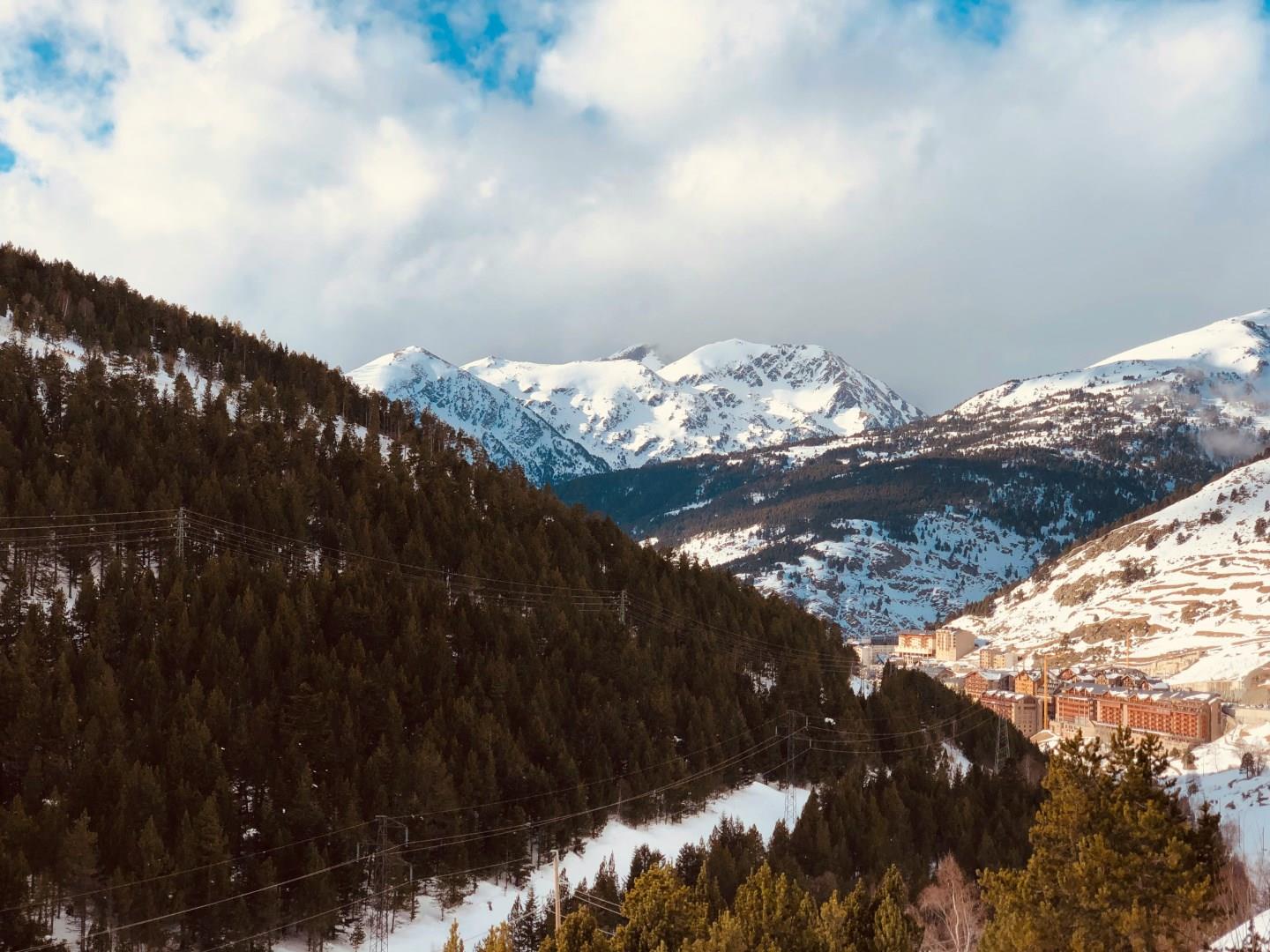
Soldeu
Nestled high in the Pyrenees, Soldeu is a mountain village in the principality of Andorra, best known for its access to Grandvalira, which is one of the largest ski areas in Southern Europe. At 1,800 meters above sea level, Soldeu has grown from a quiet farming village into a winter destination with over 200 kilometers of slopes. It hosted World Cup alpine ski races in 2019 and is scheduled to host the Finals again in 2029.
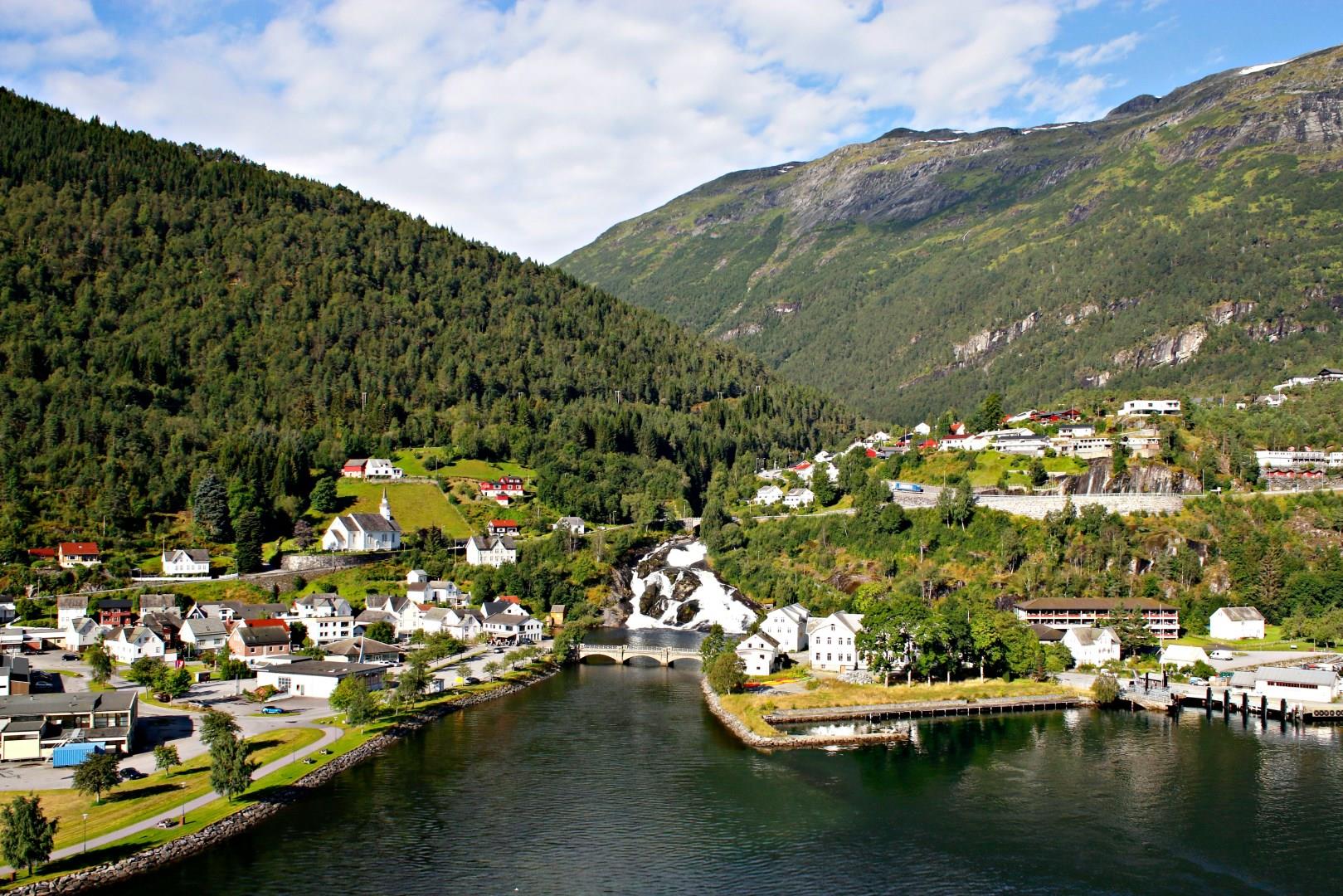
Hellsylt
Hellesylt, a small village on Norway’s western coast, sits at the entrance to the famous Geirangerfjord and offers scenery that feels almost otherworldly. Steep mountains rise sharply on all sides, their slopes cut by ribbons of waterfalls that plunge into deep blue water. One of the most striking sights is the Hellesylt Waterfall, which thunders past the heart of the village and can be admired from several pedestrian bridges.
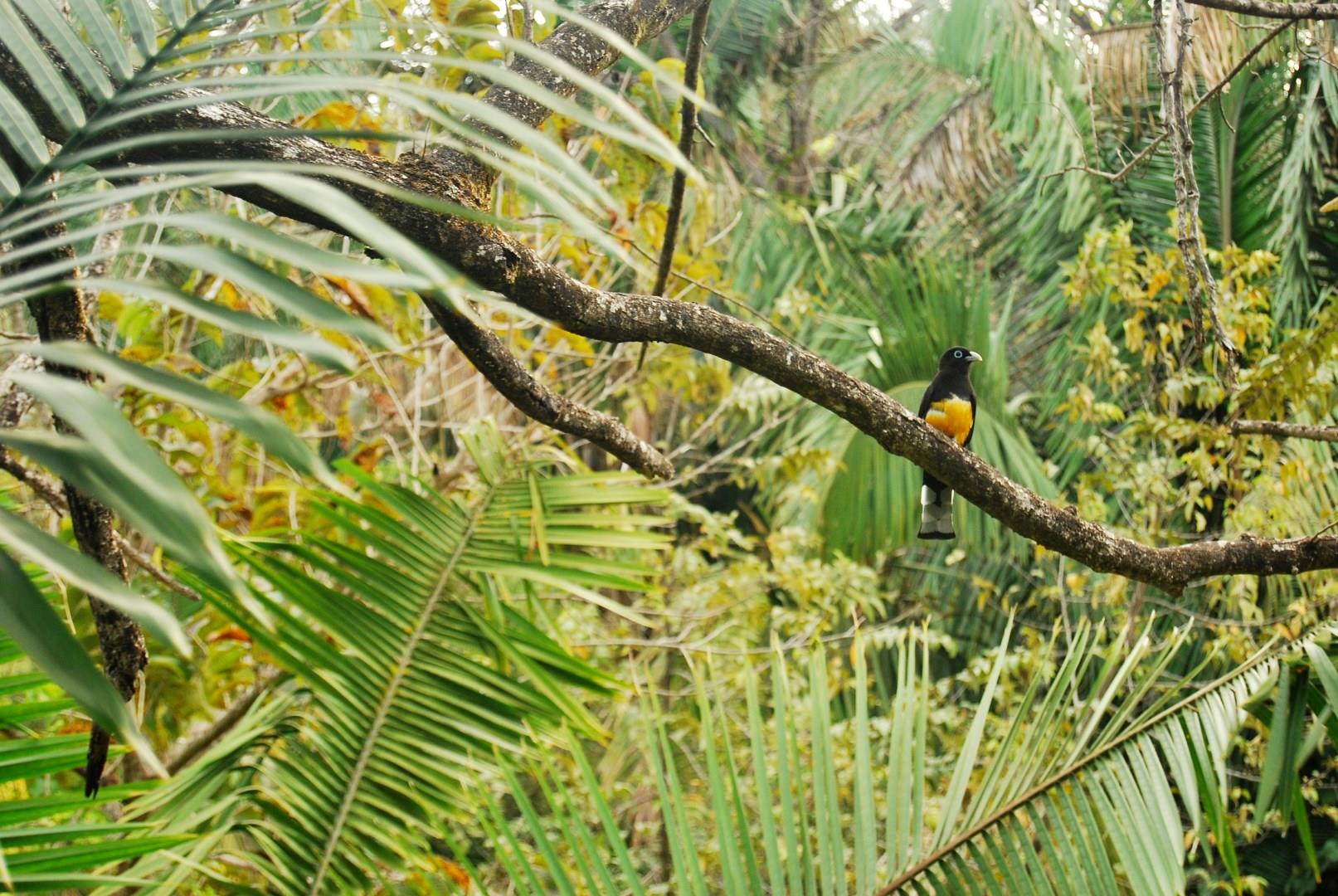
Nosara
Nosara, on Costa Rica’s Nicoya Peninsula, is a laid-back coastal town known for its strong connection to wellness, nature, and surf culture. Unlike some of the country’s busier resorts, Nosara has kept development low-key, with no large beachfront hotels and a community that values sustainability.
