
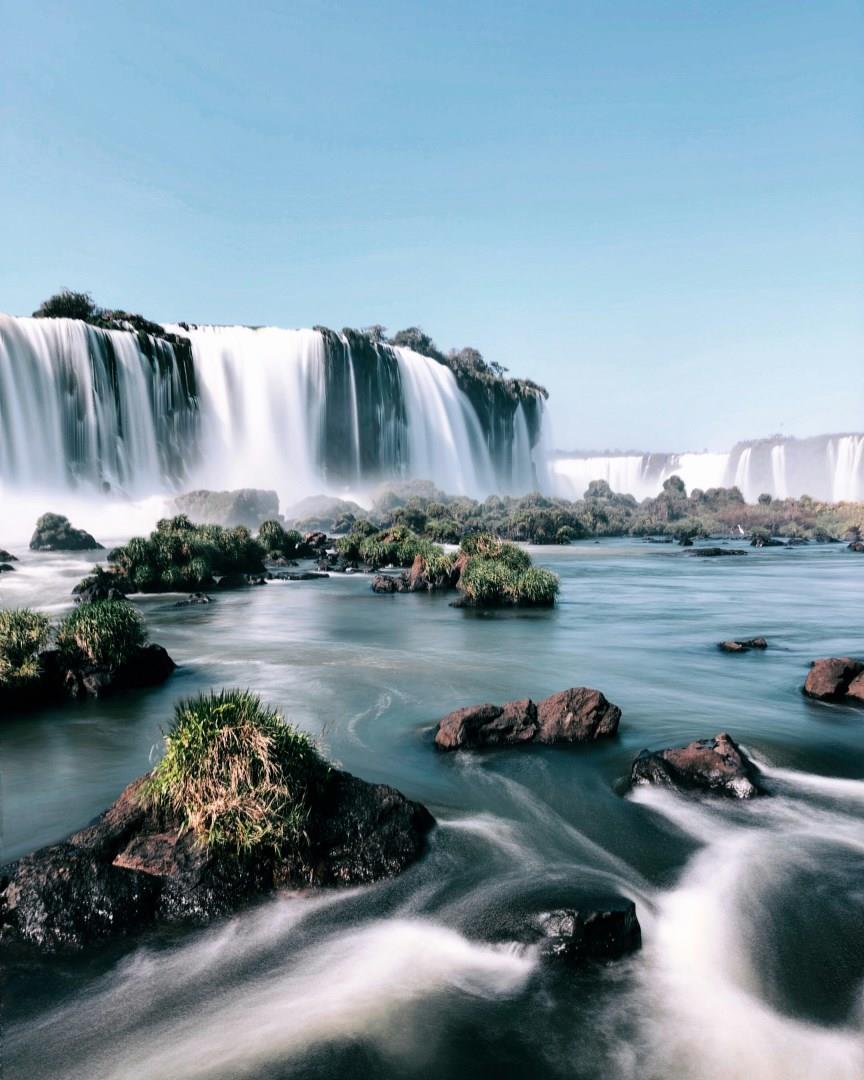
Foz do Iguaçu
Set at the meeting point of Brazil and Argentina, Foz do Iguaçu is defined by the sheer scale of the Iguaçu Falls. Nearly 275 individual waterfalls stretch across close to three kilometers, sending mist into the air and sound echoing through the surrounding forest. Visitors follow raised walkways that bring them face to face with this moving wall of water, culminating at the dramatic Devil’s Throat, a deep, curved drop where the river seems to vanish into the earth.
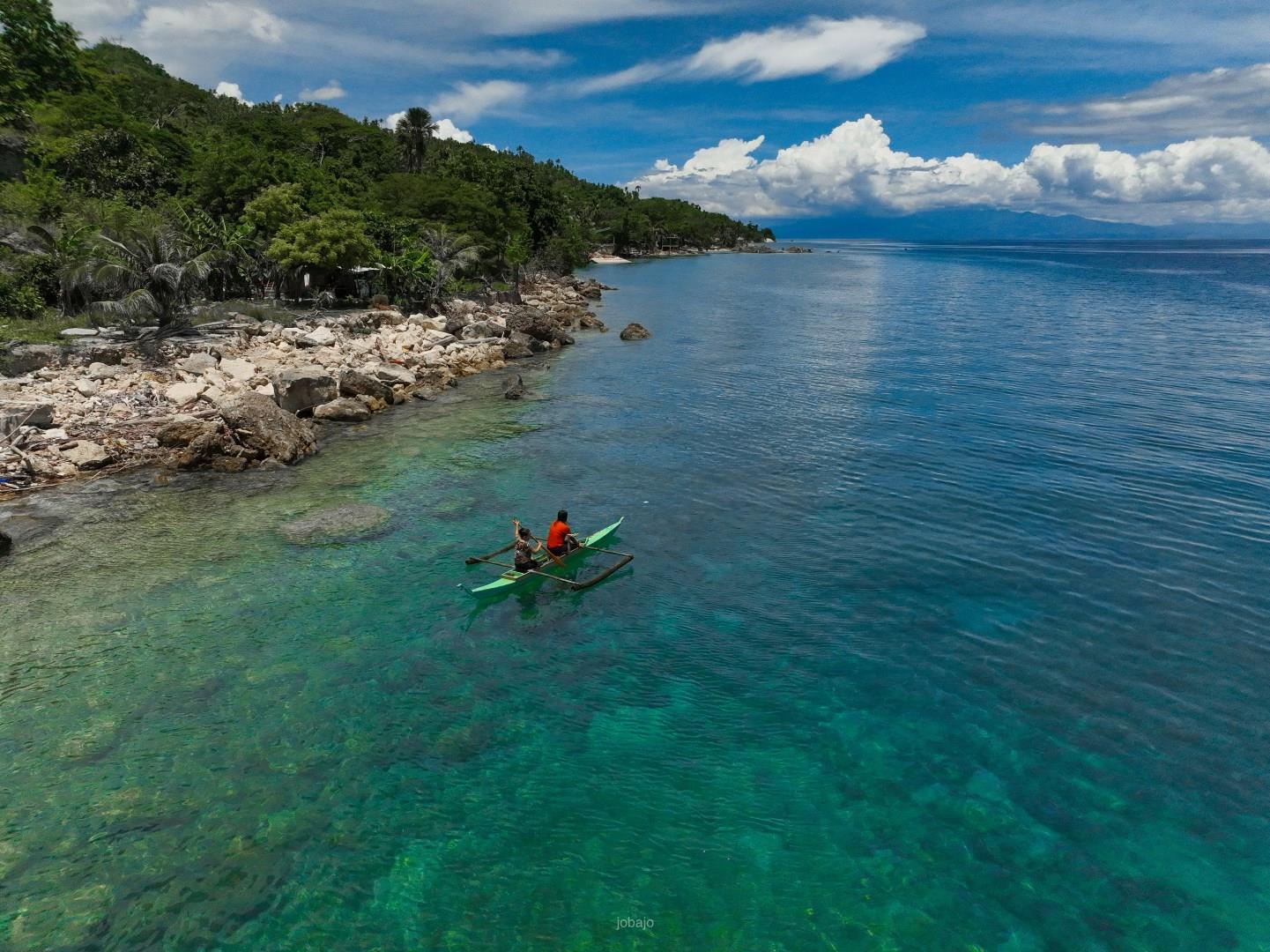
Cebu
Cebu sits at the center of the central Philippines, shaped by seafaring trade and early colonial contact. It was here that Spanish rule first took hold in the 16th century, leaving a legacy visible in churches, street patterns, and long-standing ties to Catholic tradition.
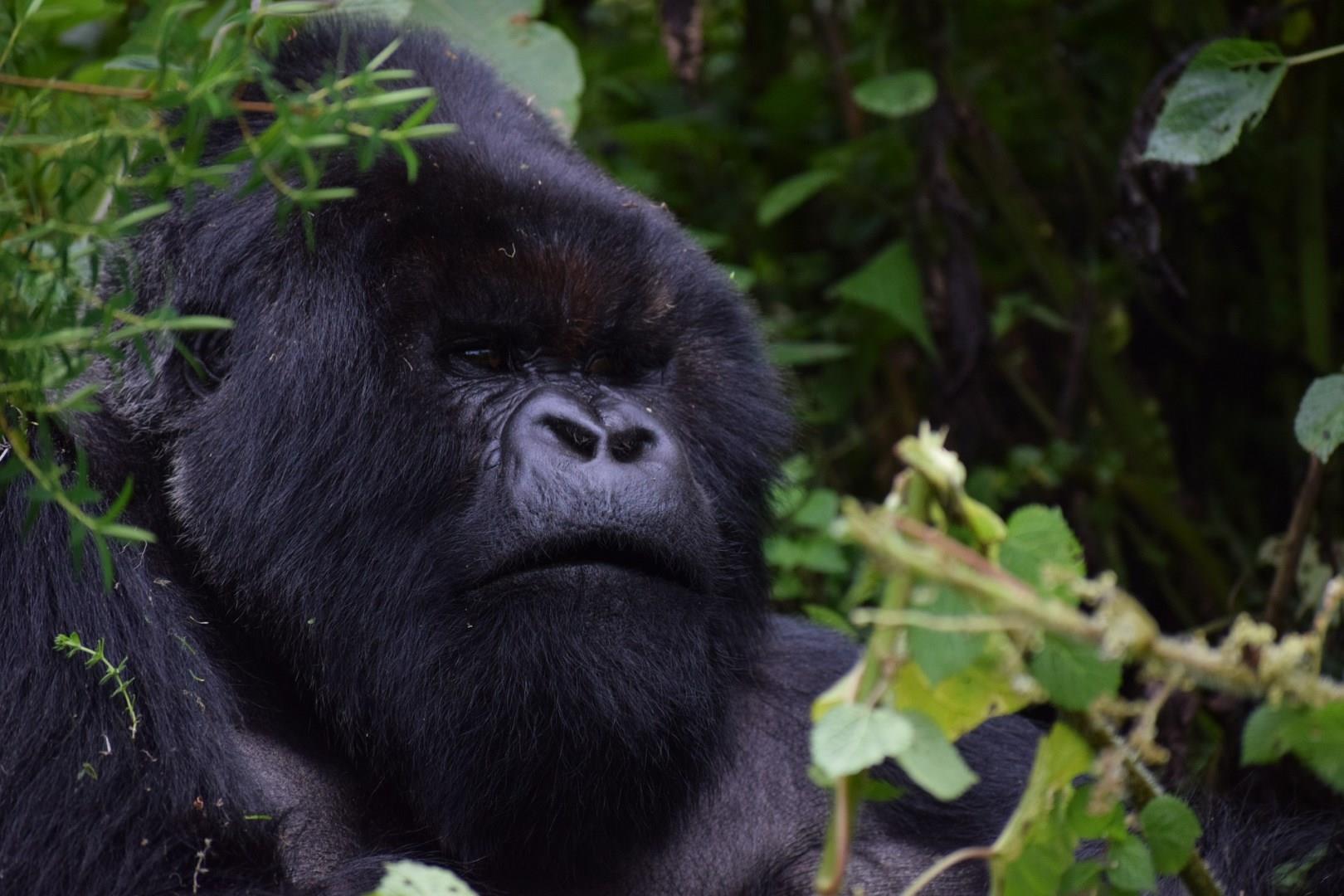
Rwanda
Rwanda, often called the “Land of a Thousand Hills,” is a country of rolling green landscapes, misty mountains, and shimmering lakes. Its scenery is striking, with terraced hillsides and lush valleys stretching as far as the eye can see.

Longyearbyen
Longyearbyen, the northernmost settlement of its size in the world, offers a unique and captivating experience in the Arctic archipelago of Svalbard, Norway. Nestled between icy peaks and sprawling glaciers, this remote town is a gateway to exploring the rugged beauty of the Arctic landscape.

Matera
Matera, one of Italy's most enchanting cities, is a living testament to human resilience and creativity. Nestled in the southern region of Basilicata, Matera is renowned for its ancient cave dwellings, known as the Sassi. These prehistoric stone houses, carved directly into the limestone rock, date back thousands of years, making Matera one of the world's oldest continuously inhabited cities.
