

Russia
Russia attracts thousands of tourists each year who have a taste for cathedrals and monasteries, fine art, theater, museums, and the Russian culture in general.

Puno
Situated on the shore of Lake Titicaca, Puno is referred to as the folkloric capital of Peru due to its artistic and cultural expressions, particularly dance. Notable landmarks include the Andean baroque-style Puno Cathedral and the Yavari, a 19th-century steamship. Products created from alpaca, llama, or sheep wool are a signature of the area, as well as musical instruments like the siku.

Beaune
Located in the Burgundy Region of France, Beaune has the most prestigious vineyards in the country. This is the place to be if the words "grand cru" make your mouth water. Add to this the great gastronomique specialties of the region, gothic cathedrals, medieval villages and golden landscapes and you have many great reasons to get to know this province.
Riyadh
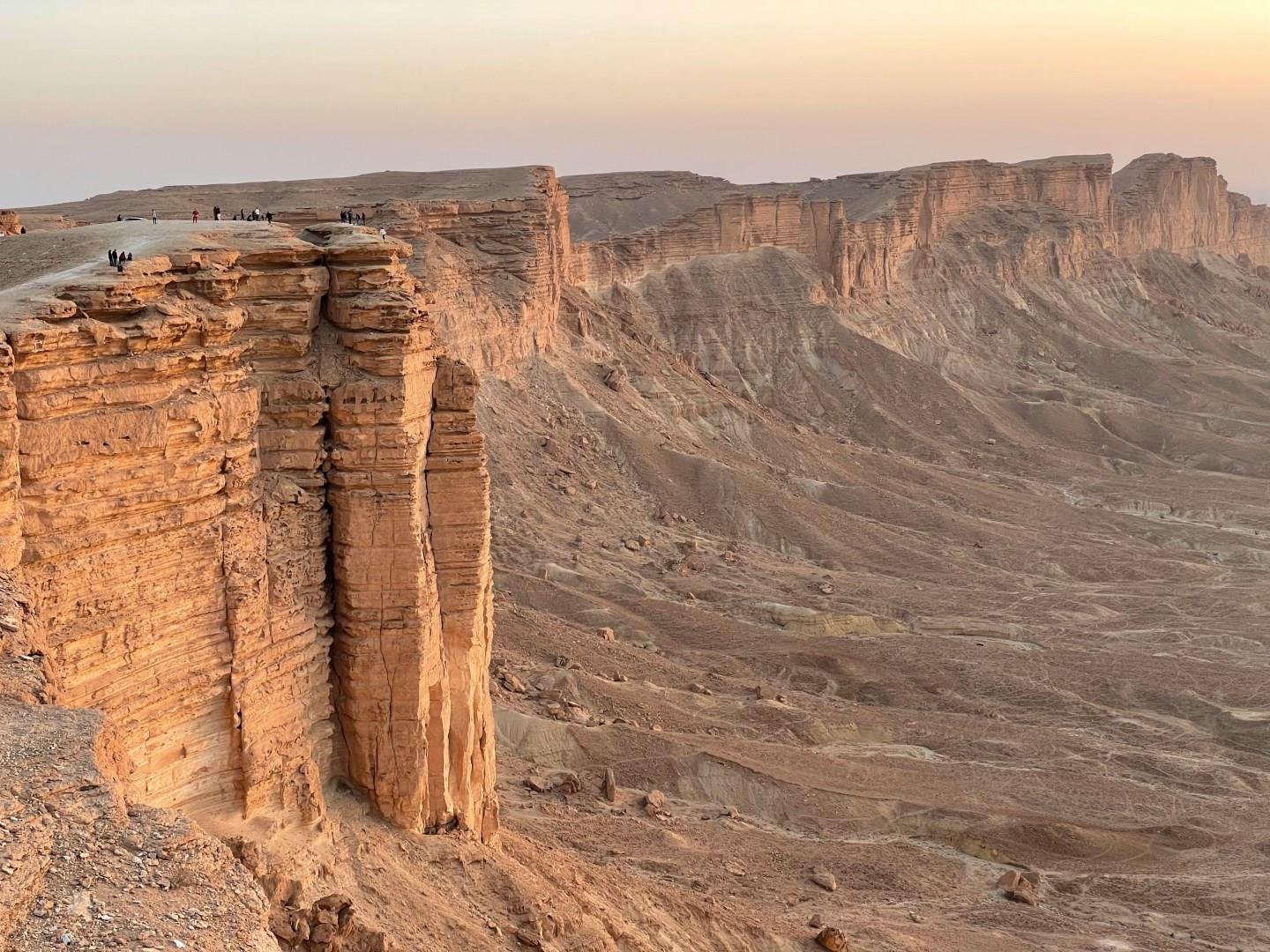
Riyadh blends stories from centuries with modern splendor. At its core stands Al Masmak Fortress, built of clay and mud-brick in the 19th century. It was the site that set the stage for the unification of Saudi Arabia. Today, it’s a museum that preserves weapons, historical displays, and accounts of that pivotal moment. Adjacent to the fortress, the Souq Al-Zal offers spices, traditional jewelry, and handmade crafts, connecting visitors to the city’s past through its alleyways.

Paro
Paro, Bhutan, is a serene valley town that offers a gateway to the mystical charm of the Land of the Thunder Dragon. Nestled amidst verdant hills and bisected by the glistening Paro Chhu river, Paro is home to some of Bhutan’s most iconic landmarks and cultural treasures. At the heart of this picturesque valley stands the majestic Paro Dzong, or Rinpung Dzong, a fortress-monastery with a history dating back to the 17th century.
