

Vietnam
Vietnam is a country where dramatic landscapes and deep-rooted traditions intertwine, creating a mosaic of experiences that stretch from misty northern mountains to the lush waterways of the Mekong Delta. Its history is marked by ancient kingdoms, colonial legacies, and a remarkable story of resilience in the face of conflict.

Osaka
Osaka is a city that thrives on contrasts with centuries-old castles sit just blocks from neon-lit arcades and high-speed trains. Once known as “Japan’s kitchen” during the Edo period, Osaka played a key role in rice trading and food distribution across the country. Today, visitors can walk the grounds of Osaka Castle, originally built in the 16th century by Toyotomi Hideyoshi, and take in panoramic city views from the top floor of its museum.
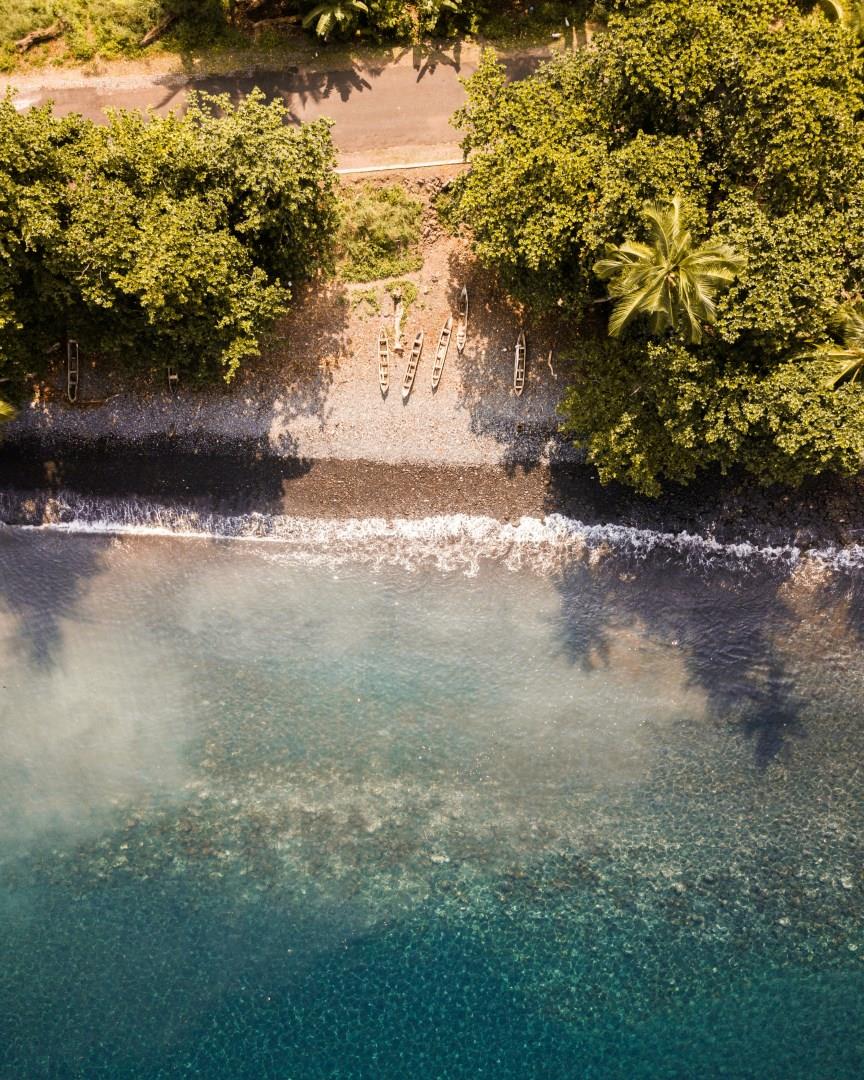
Sao Tome Island
São Tomé Island, the larger of the two islands in São Tomé & Príncipe, offers travelers a balance of culture, history, and dramatic natural scenery. Its capital, São Tomé city, is a coastal hub filled with colonial architecture, lively markets, and a welcoming atmosphere.
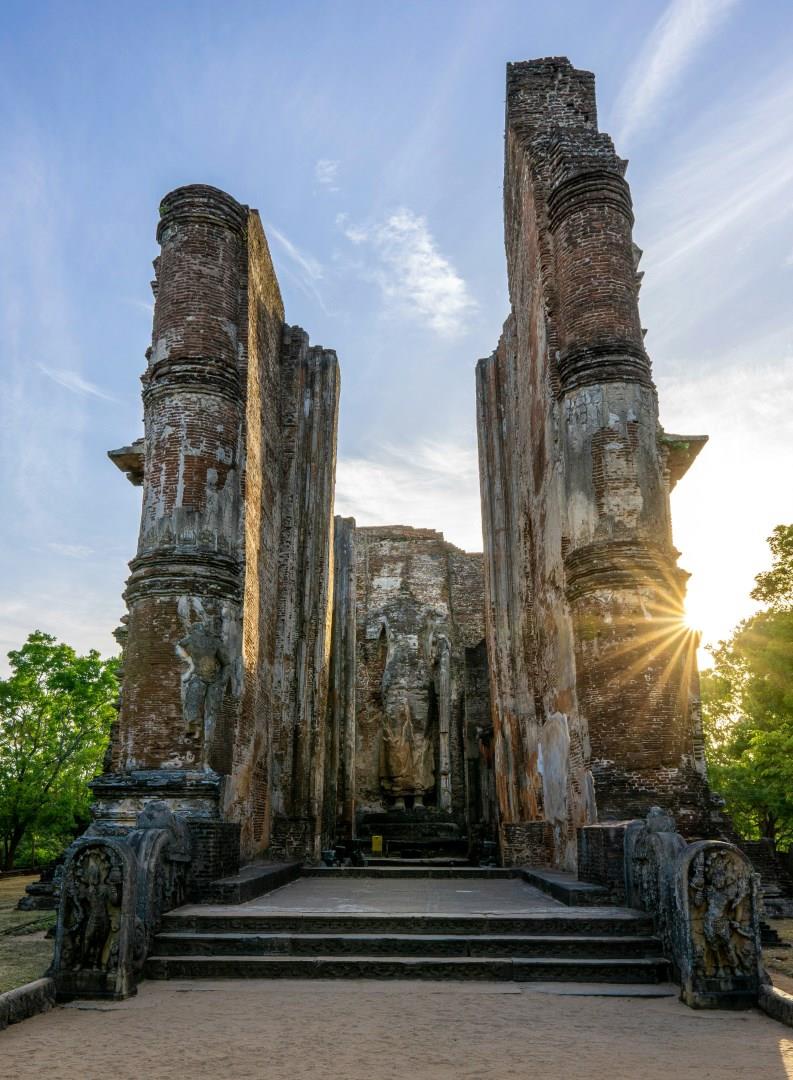
Polonnaruwa
Polonnaruwa, located in Sri Lanka’s North Central Province, served as the island’s capital nearly a thousand years ago. Today, it offers one of the most extensive and well-preserved archaeological sites in South Asia. Visitors can walk among the ruins of royal palaces, Buddhist monasteries, and intricately carved stone temples. One of the highlights of Polonnaruwa is the Gal Vihara, a group of colossal Buddha statues carved directly into granite.

Dubrovnik
Dubrovnik, often hailed as the "Pearl of the Adriatic," is a city where history and stunning natural beauty converge. Enclosed within its ancient city walls, which are a UNESCO World Heritage Site, you’ll find a captivating blend of medieval architecture and vibrant culture. The city's Old Town is a maze of cobblestone streets, lined with baroque churches, Renaissance buildings, and charming squares.
