

Isle of Skye
The Isle of Skye rises from Scotland’s west coast with a shape that feels almost sculpted by hand. Its ridges and peninsulas stretch outward from a mountainous core, where the Cuillin range cuts a jagged line across the sky. Travelers often begin in Portree, a harbor town lined with brightly painted buildings and small seafood spots. From here, narrow roads lead to cliff edges, quiet bays, and sweeping views where golden eagles and red deer are part of the everyday scene.
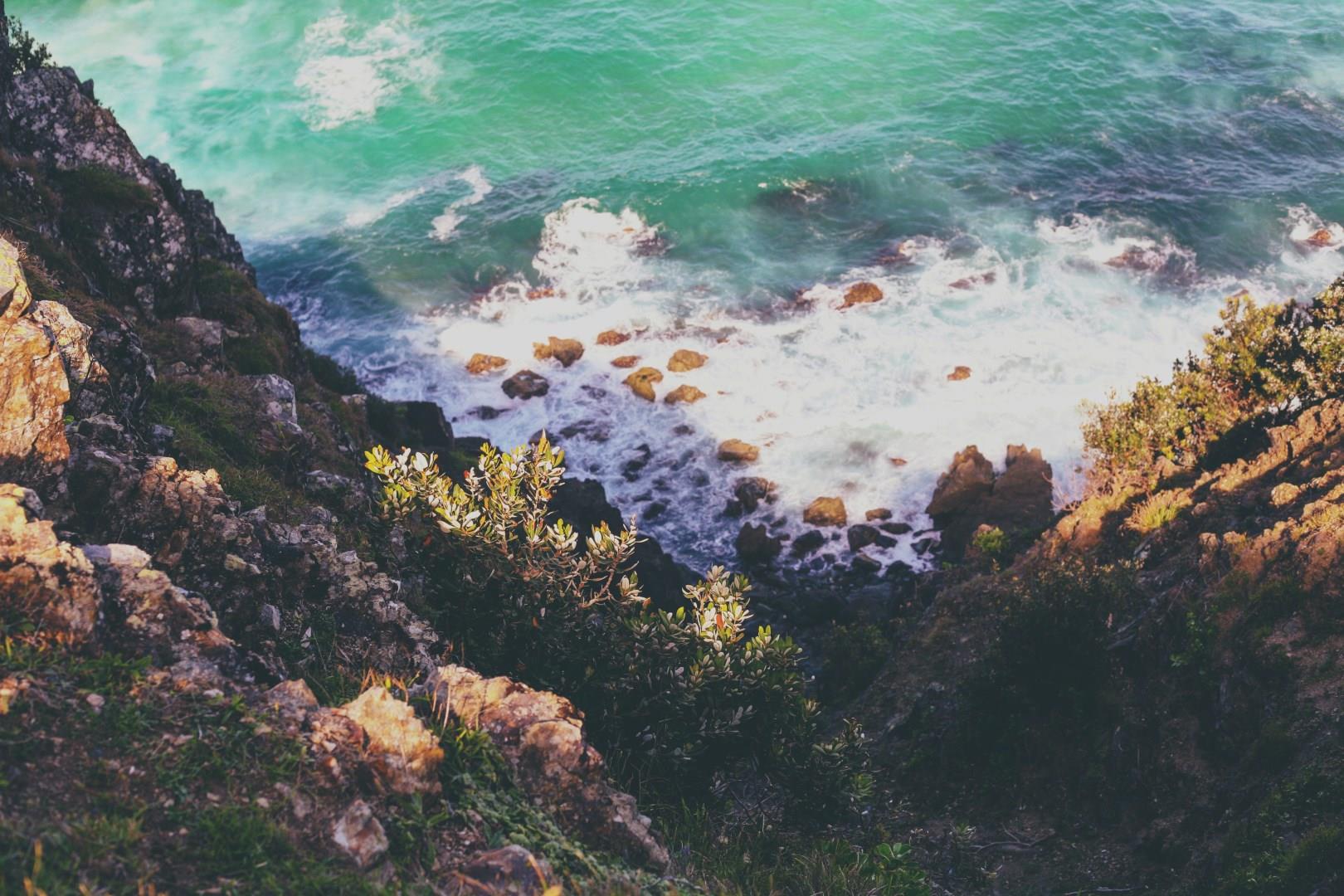
Byron Bay
Byron Bay lies on the far north coast of New South Wales, Australia, where wide beaches meet the deep blue Pacific and the point of land known as Cape Byron marks the easternmost tip of the mainland. Standing tall above the coastline, the Cape Byron Lighthouse has guided ships since 1901 and now greets walkers and sightseers who take the scenic cliff-top path for views stretching toward whales during their migration season.

Jodhpur
Jodhpur, often called the "Blue City" of India, is located on the edge of the Thar Desert in the state of Rajasthan. The city is famous for the blue-painted houses in its old quarter, which create a striking contrast against the golden hue of the desert landscape.
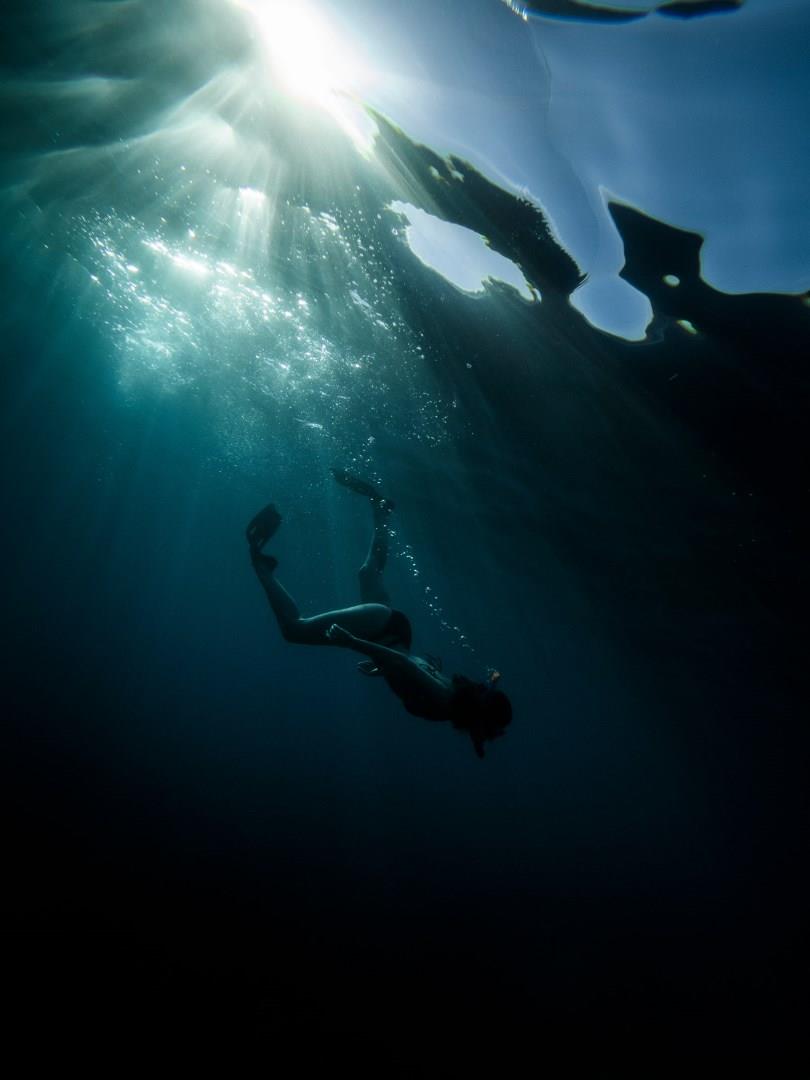
Cres
Cres is a large Adriatic island off Croatia’s northern coast, shaped by a long history of seafaring, pastoral life, and quiet isolation.

Stornoway
This charming town is the perfect place to immerse yourself in Scottish Gaelic culture, music, and history, making it a popular port city for visitors and a great starting point for exploring the rest of the archipelago.
