
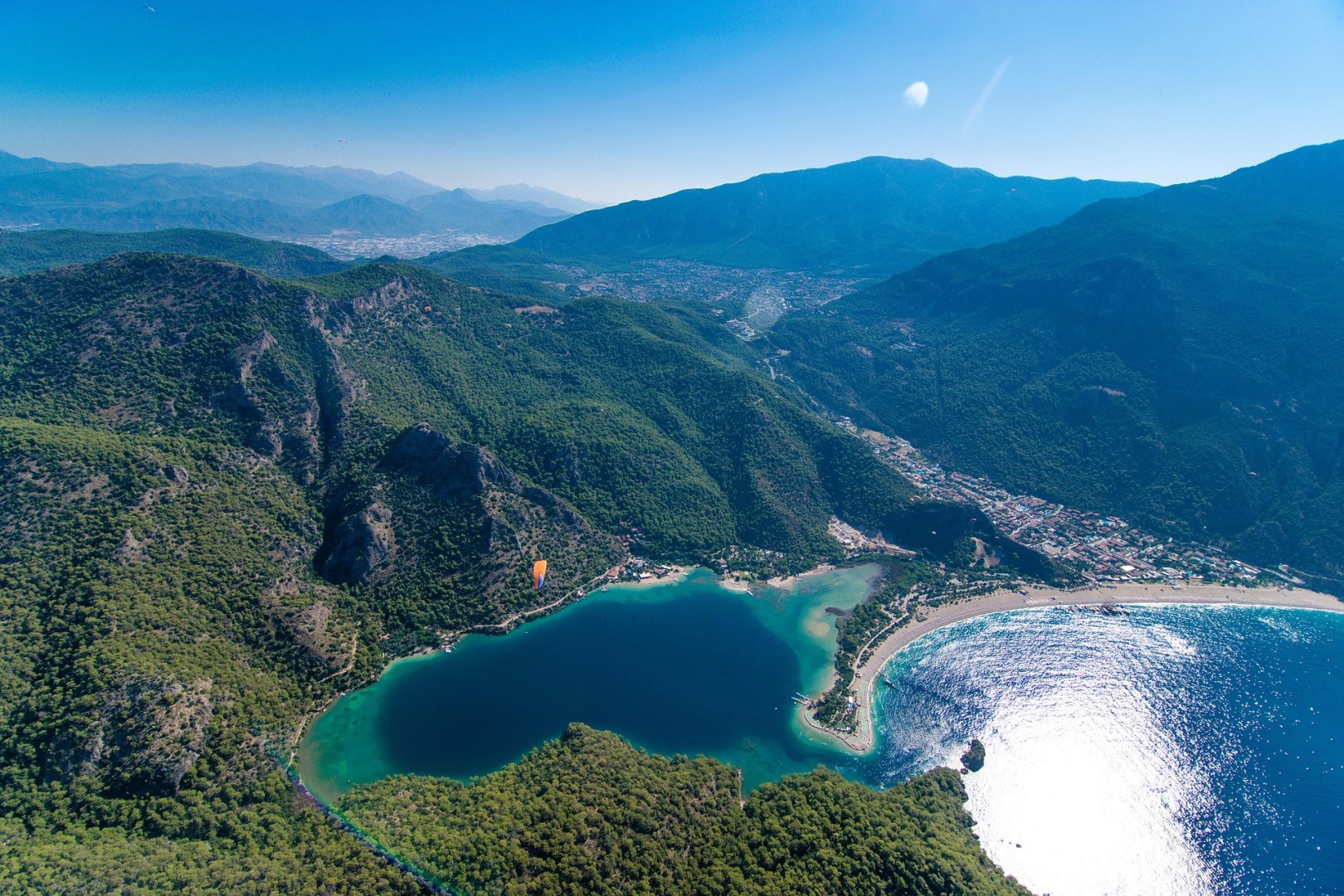
Fethiye
The popular resort Fethiye boasts an imortant marina at the head of a beautiful bay strewn with islands. A hill crowned by teh ruins of the crusader fortress built by the Knights of Rhodes overlooks the little port.
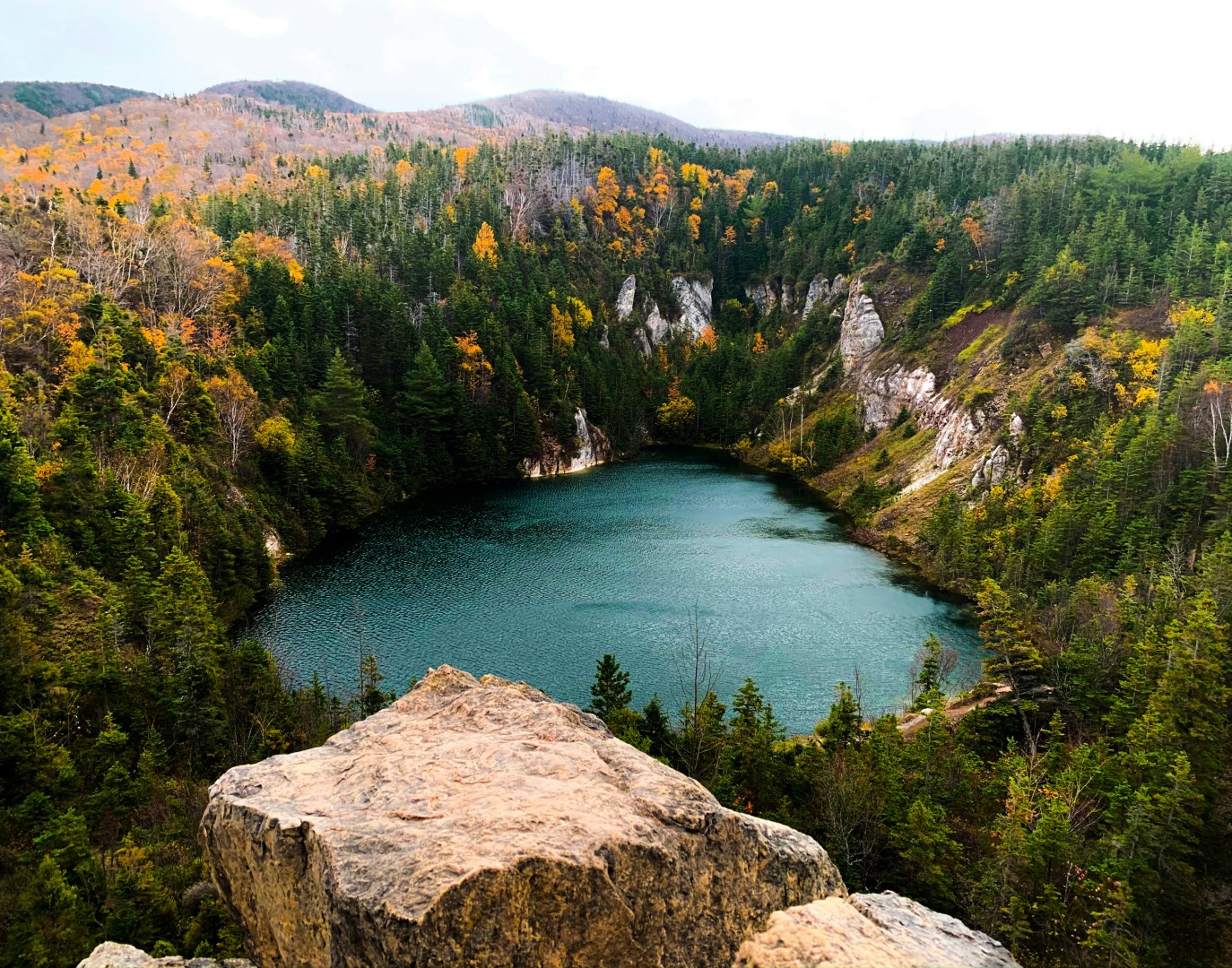
Cape Breton Island
Cape Breton Island sits off the eastern coast of Nova Scotia and welcomes visitors with rolling hills, wide waters and a calendar full of engaging experiences. In the village of Baddeck, the shores of the Bras d’Or Lake reflect early morning sun on fishing boats and sailboats alike, and nearby Kidston Island, reached by a small summer ferry, holds a historic lighthouse and a sandy beach that invites relaxed afternoons by the water.

California
California is a destination that offers an unparalleled variety of experiences, making it one of the most visited states in the U.S. From the snow-capped peaks of the Sierra Nevada to the sun-kissed beaches of San Diego, California's diverse landscapes cater to all kinds of outdoor enthusiasts, offering endless opportunities for hiking, surfing, skiing, and more.

Belém
Belém do Pará sits at the edge of the Amazon, where river and bay meet in a landscape with activity and color. The Ver-o-Peso Market spreads along Guajará Bay, welcoming early morning boats laden with fresh fish, herbs, fruits, and Amazonian goods. Recognized by UNESCO as a Creative City of Gastronomy, the local cuisine marries Indigenous, Portuguese, and African traditions to create dishes found nowhere else.

Nosy Be
Nosy Be, often called the “Perfume Island” due to its fragrant ylang-ylang trees, is Madagascar’s largest and most popular tourist destination. Situated off the northwest coast of Madagascar, this tropical paradise boasts powdery white sand beaches, turquoise waters, and lush inland rainforests, making it an idyllic escape for beach lovers, nature enthusiasts, and adventure seekers alike. Nosy Be is renowned for its stunning marine life.
