
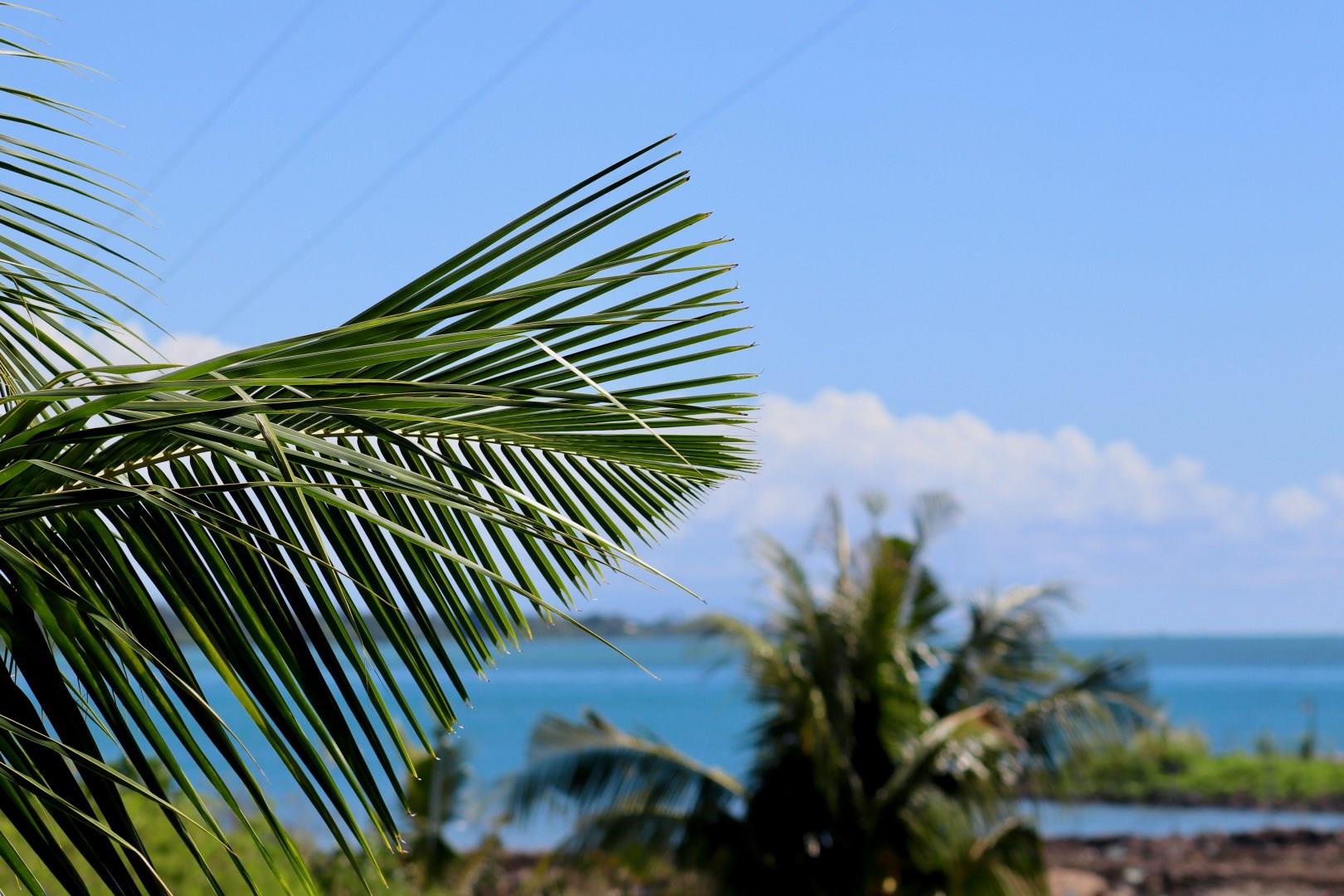
Apia
Apia, the lively capital of Samoa, sits on the north coast of Upolu island and blends the island’s rich traditions with a laid-back charm that’s hard to miss. Once a small village, Apia has grown into a central hub where local culture, commerce, and history meet. From bustling markets to quiet waterfronts, Apia offers visitors a chance to experience Samoa’s rhythm at their own pace.

Tenerife Island
Tenerife is the largest isle of the Canary Islands archipelago. Famous for its black and yellow sand beaches as well as Mt. Teide, the dormant volcano that looms over the island.

Dominica
Dominica, known as the “Nature Island of the Caribbean,” is a haven for eco-tourists and adventure seekers. Nestled between the French islands of Guadeloupe and Martinique, this lush island boasts a remarkable landscape of volcanic mountains, dense rainforests, and stunning waterfalls. Dominica’s most iconic natural wonder is the Boiling Lake, the second-largest hot spring in the world.

Darwin
Tropical beaches, green space, wildlife, and dazzling sunsets all draw tourists to Darwin. Visitors should also discover the city's art museums, Mindil Beach's night markets and the local seafood. And did you know that this area of Australia has more crocodiles than anywhere on the planet?

Le Havre
Le Havre is a captivating port city in Normandy, France where the English Channel meets the Seine River. Having evolved from a small fishing village into a bustling maritime hub, it is a blend of rich history, modern architecture, and stunning natural beauty. The city's historic roots are especially evident in landmarks such as the Graville Abbey, one of the oldest monuments in the area, and the impressive St. Joseph's Church, a modern architectural marvel designed by Auguste Perret.
