
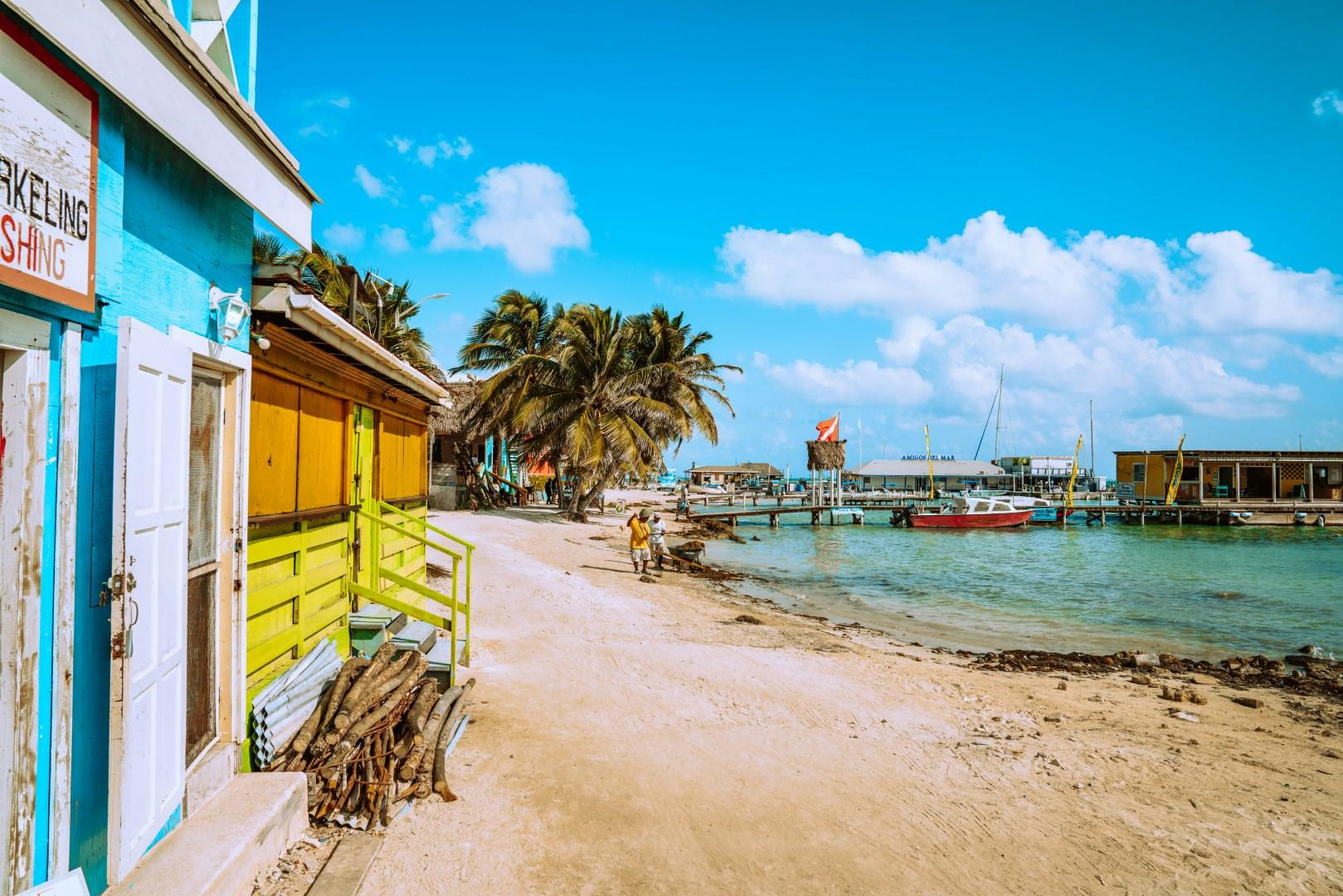
Ambergris Caye
Ambergris Caye, the largest island in Belize, is the country’s premier destination for both relaxation and adventure. Just off its shores lies the Belize Barrier Reef, offering some of the world’s most spectacular snorkeling and diving.
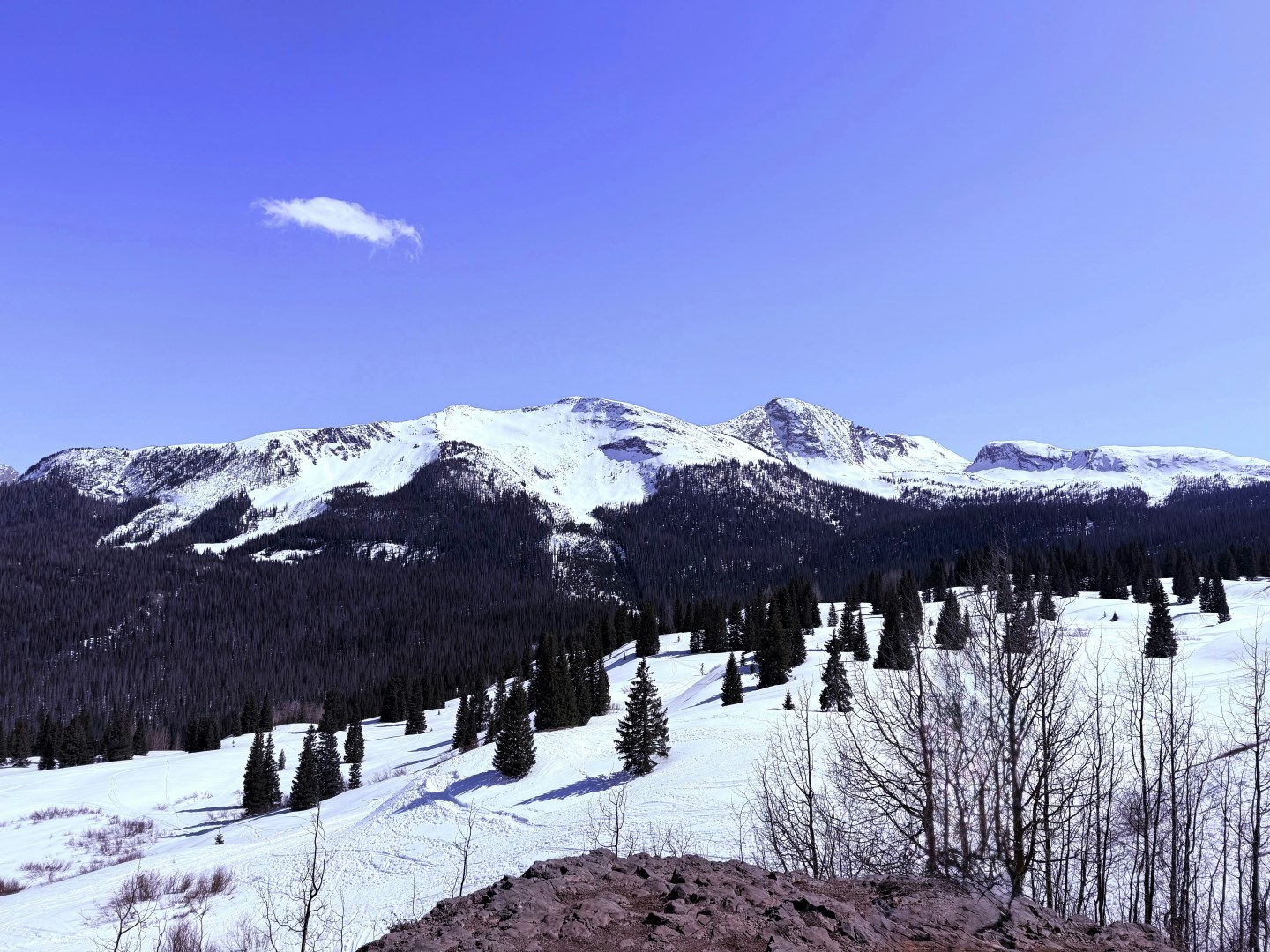
Silverton
Silverton is a small mountain town in southwestern Colorado, surrounded by the San Juan Mountains at an elevation of over 9,000 feet.
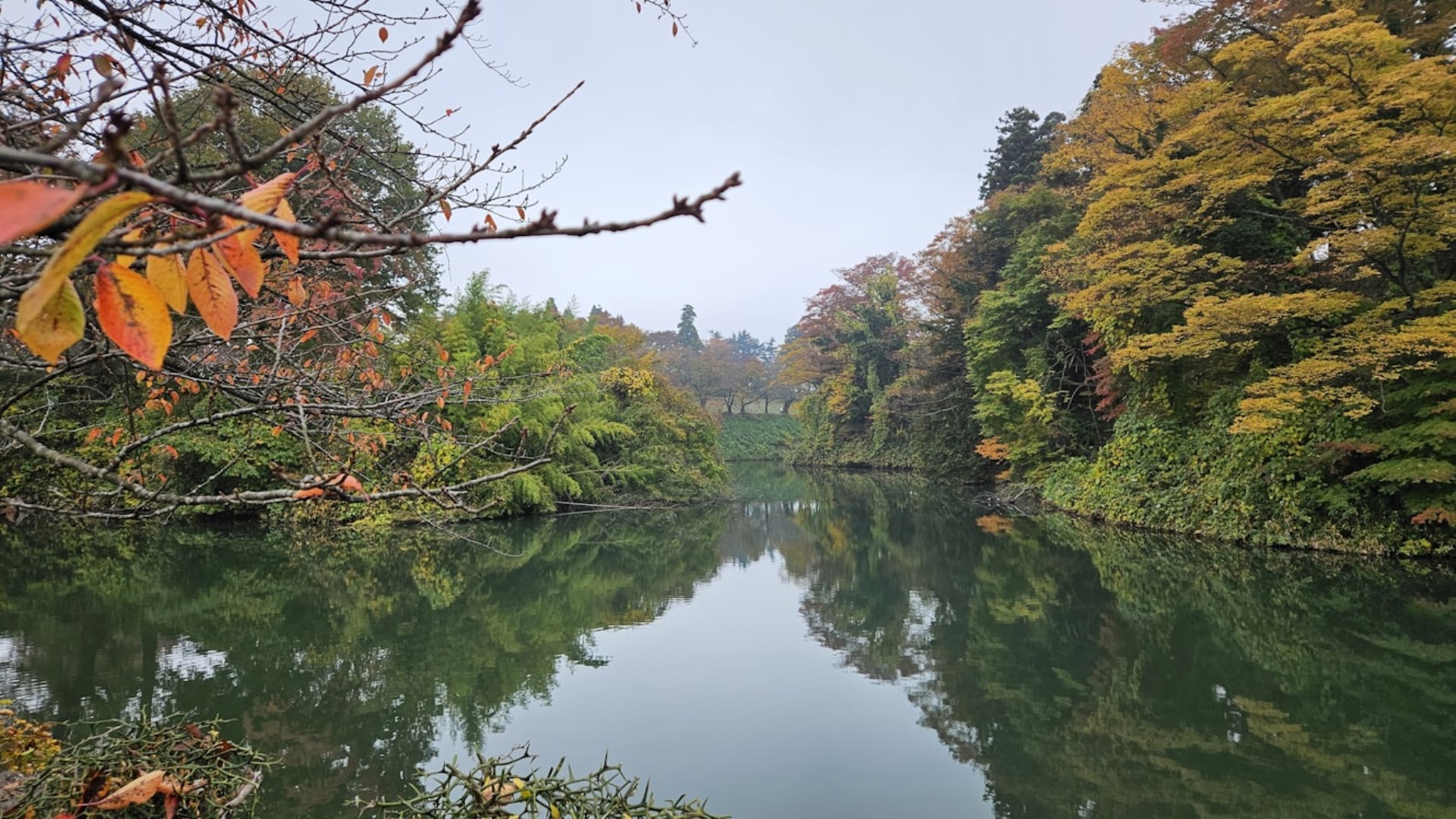
Aizuwakamatsu
Aizuwakamatsu in Fukushima Prefecture is a city where samurai history is tangible. Once a stronghold of the Aizu domain, it played a pivotal role in the late Edo period and the Boshin War.

Portovenere
Portovenere, in the region of Cinque Terre, is a characteristic medieval village situated at the far west of the gulf. With its colored, narrow high houses, the Genoese Castle, the St. Pietro Church on the steep cliff, it unites history with charm.

St. Croix
It's the largest of the three U.S. Virgin Islands, lying 40 miles south of St. Thomas and St. John. While its history is laced with tales of pirates and privateers, the island today maintains a slower, more quiet pace than its sisters to the north.
