
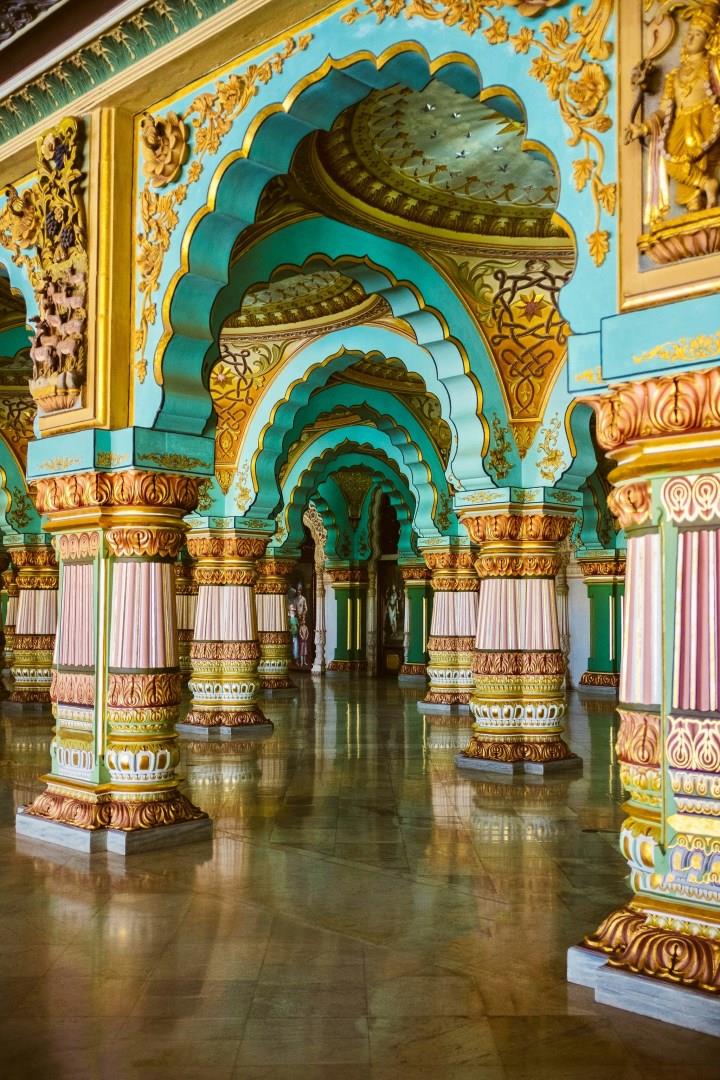
Mysore
Mysore, often called the “Cultural Capital of Karnataka,” is a city where centuries-old royal heritage meets living tradition. Located at the foothills of the Chamundi Hills, it is best known for its palaces, wide boulevards, and colorful festivals. Once the seat of the Wadiyar dynasty, Mysore still carries an unmistakable royal influence that can be seen in its architecture, markets, and cultural celebrations.
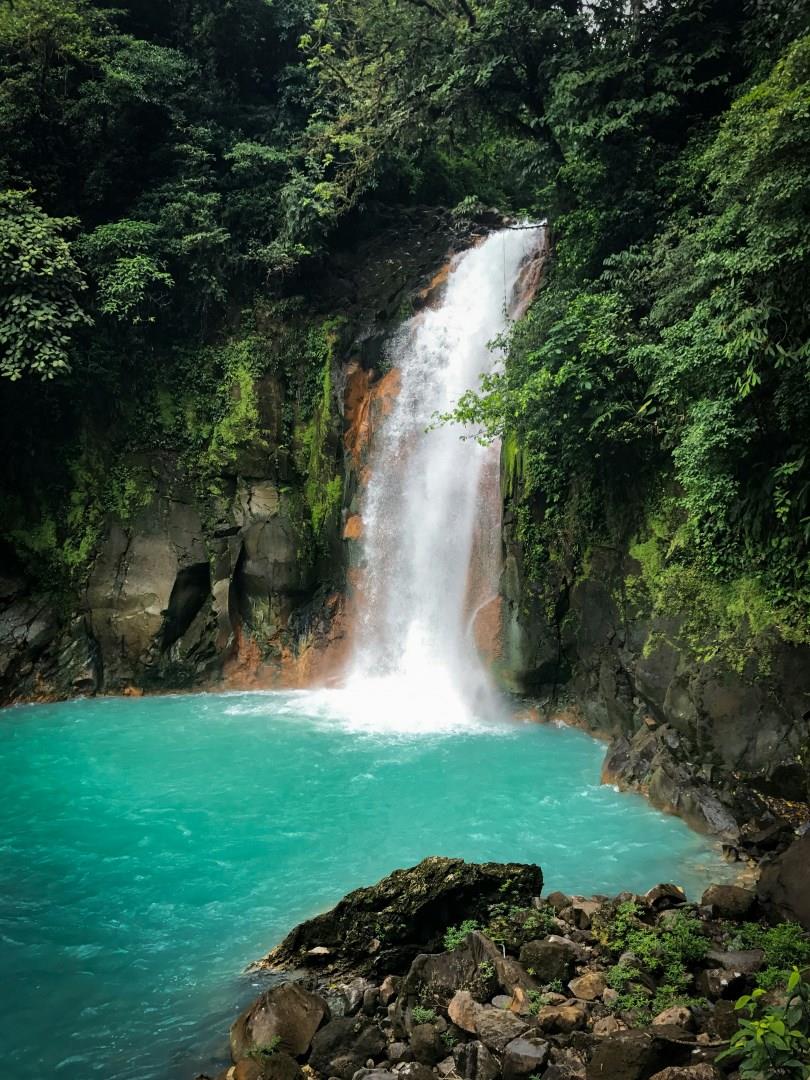
Celeste River
Hidden in the northern region of Costa Rica, the Celeste River (Río Celeste) winds through Tenorio Volcano National Park with a color so vivid it seems unreal. The river’s striking turquoise hue is caused by a natural chemical reaction between two mineral-rich streams, Quebrada Agria and Río Buena Vista, which merge at a point known as "El Teñidero." This one-of-a-kind phenomenon creates the illusion that the water has been dyed blue, even though no pigments are present.
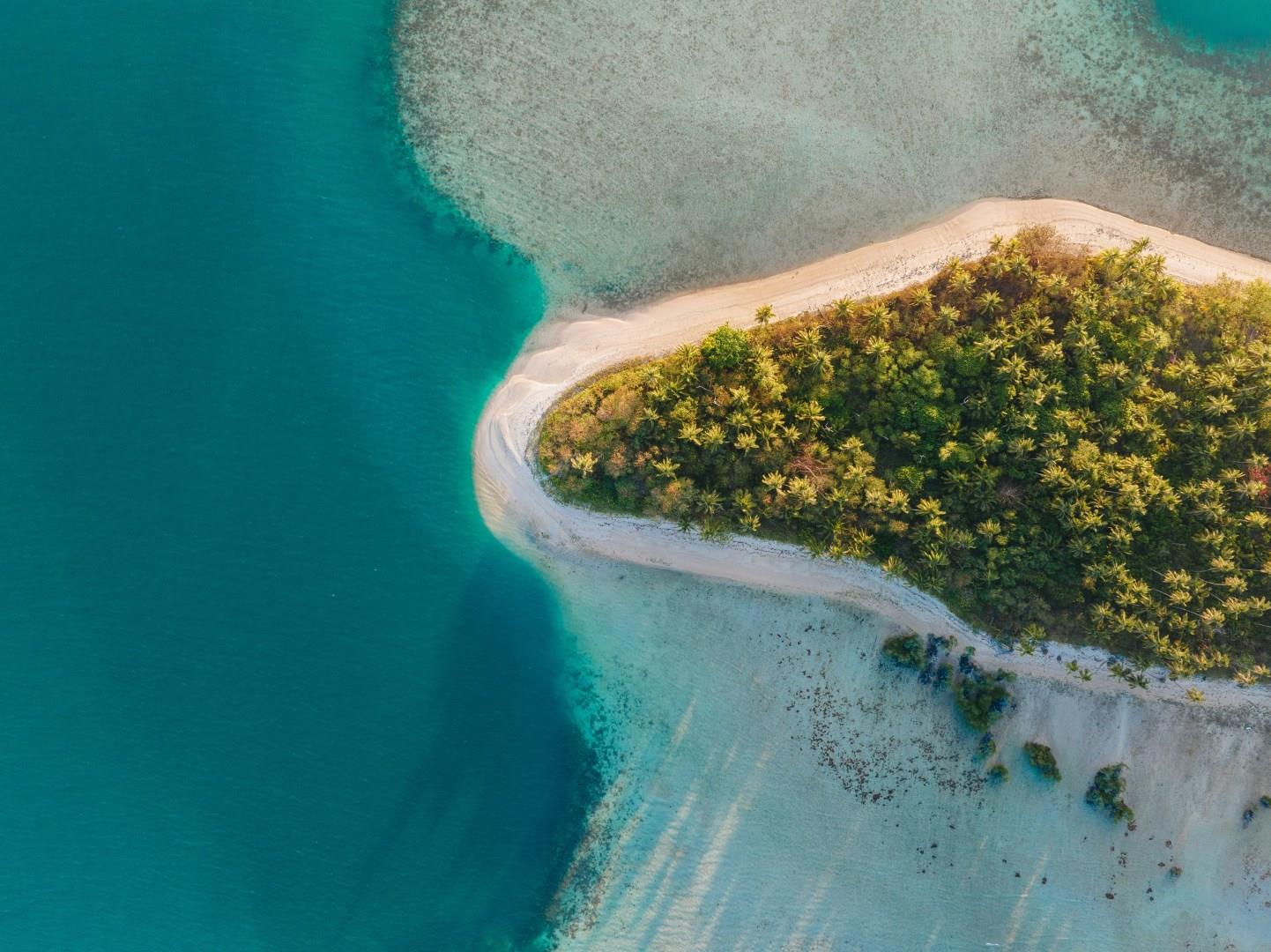
Palawan Island
Palawan Island stretches along the western edge of the Philippines, shaped by seafaring routes, Indigenous cultures, and relative isolation from the country’s major urban centers.
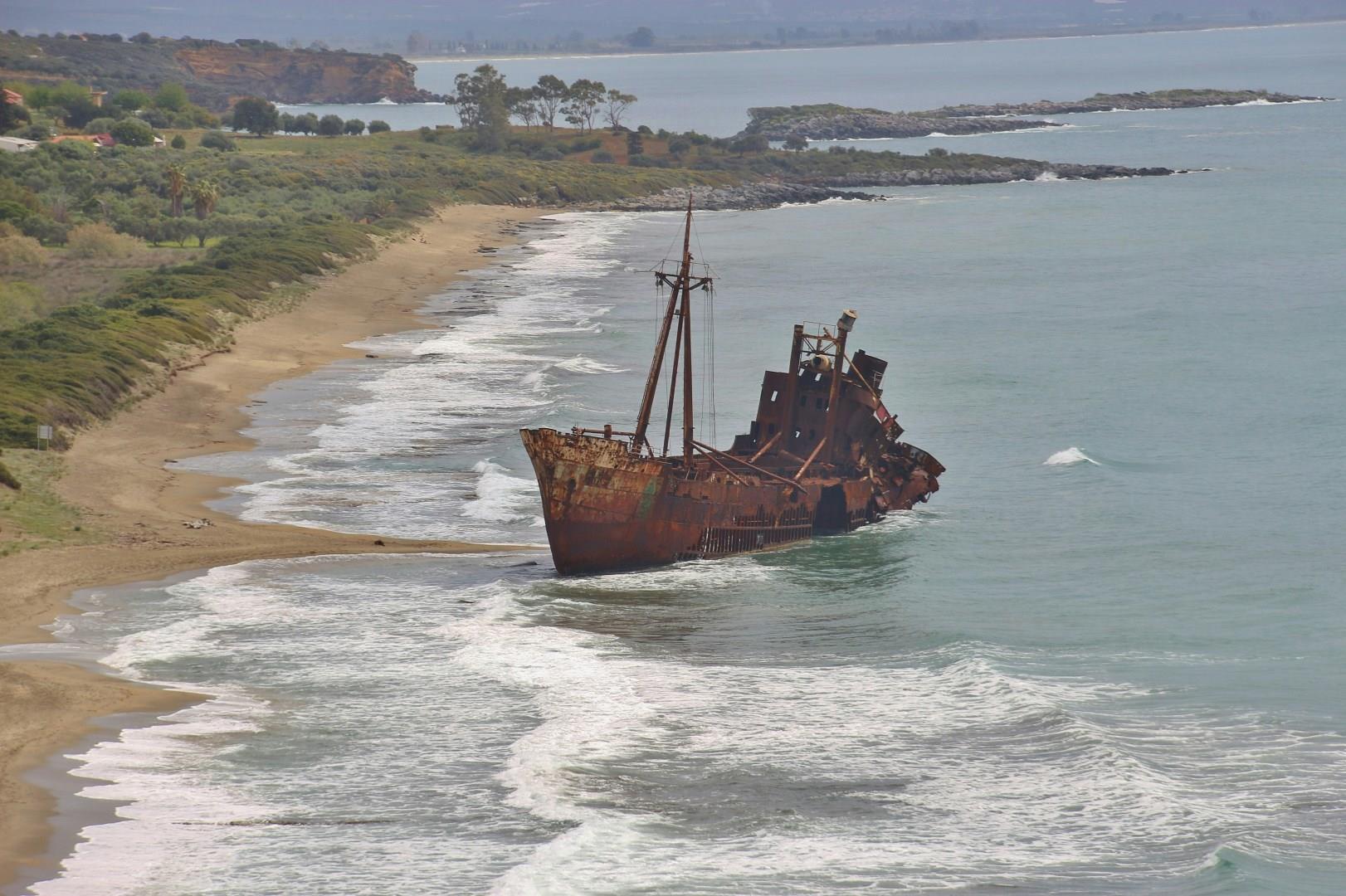
Gythion
Greece’s southern coastline is home to Gythion, a historic port town nestled in the Peloponnese region. Once the naval base of ancient Sparta, Gythion has played a key role in maritime history for centuries. Today, its harbor is lined with colorful neoclassical buildings and fishing boats, creating a picture of daily life that remains connected to its seafaring roots. Just offshore lies Cranae Island, linked to the mainland by a stone causeway.
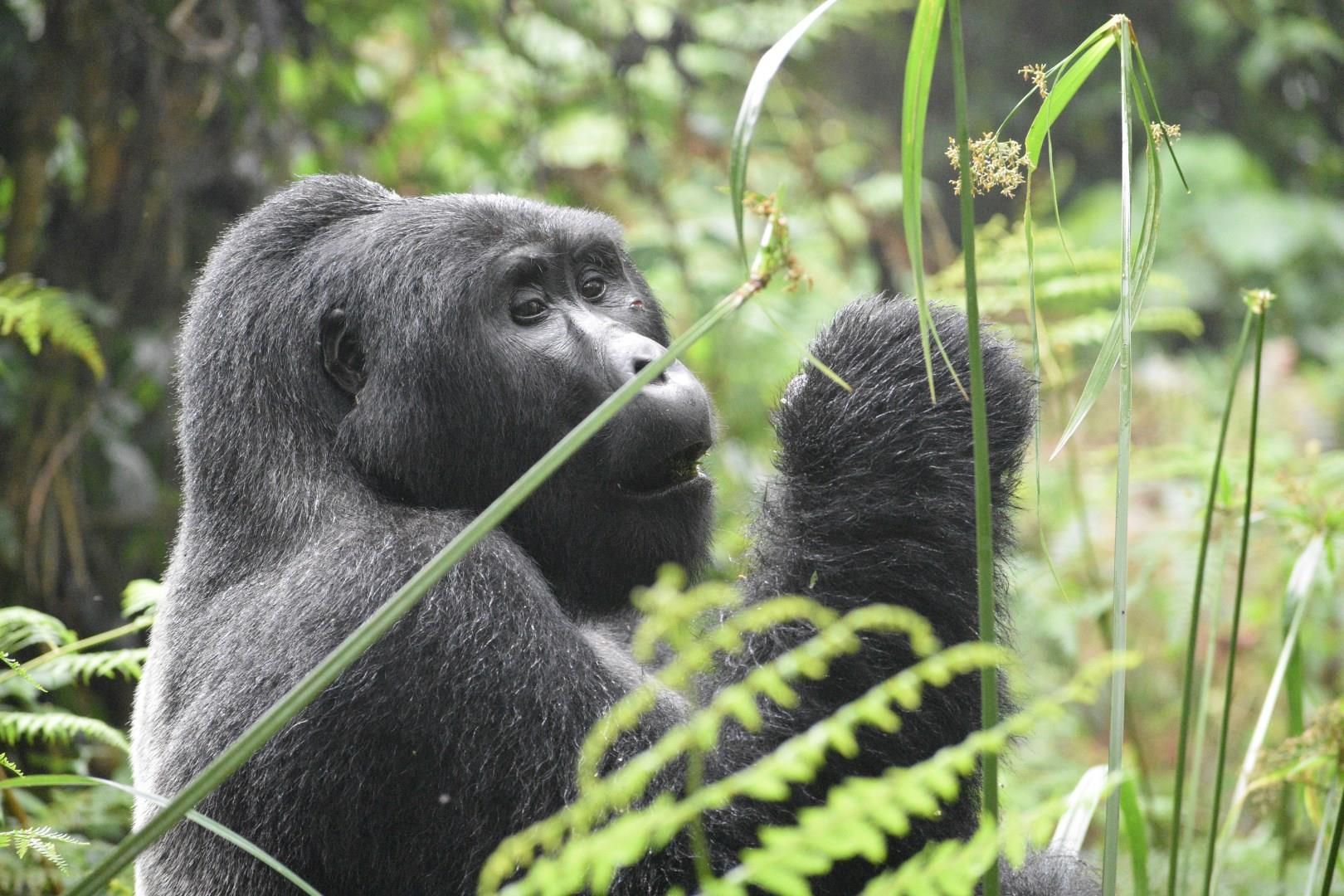
Volcanoes National Park
Volcanoes National Park, in northwestern Rwanda, is a place where dramatic volcanic landscapes meet extraordinary wildlife encounters. Stretching across the Virunga Mountains, the park is dominated by five towering volcanoes whose slopes are cloaked in rainforest and bamboo.
