

South Georgia
Remote, windswept, and bursting with wildlife, South Georgia is a sub-Antarctic island that surprises nearly everyone who steps ashore. Though uninhabited by civilians, the island hosts a small British research station and welcomes visitors via expedition cruises. What draws people here is not luxury or convenience, but the scale of its wildness.
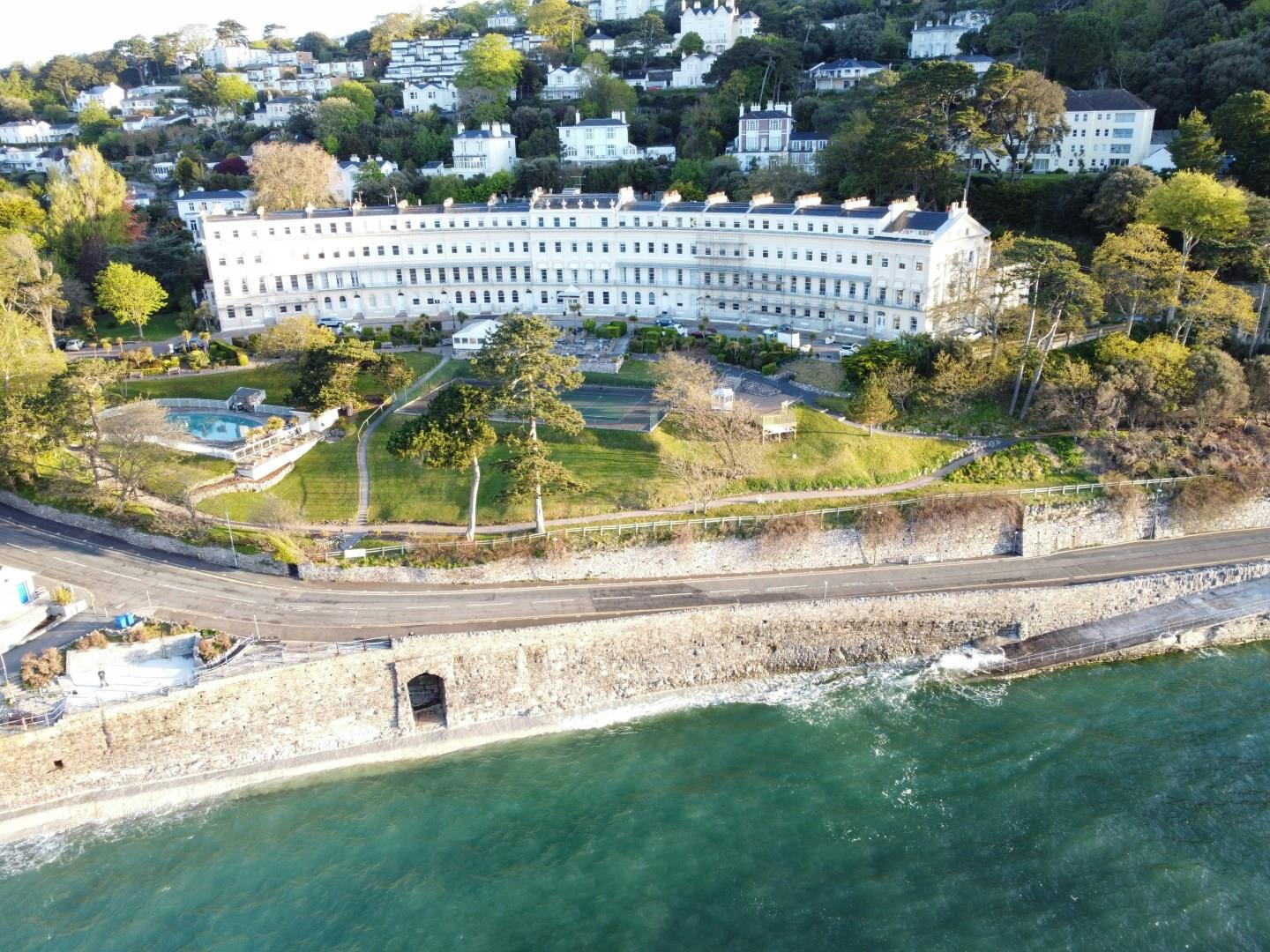
Torquay
Torquay, located on England’s southwest coast in Devon, is often referred to as the gateway to the English Riviera. With origins as a small fishing village, it expanded rapidly in the 19th century as a seaside resort, attracting visitors with its mild climate, sandy beaches, and scenic coastline.

Loutro
Nestled on the southern coast of Crete, Loutro is a hidden gem that offers a serene and picturesque escape from the hustle and bustle of modern life. Accessible only by boat or foot, this charming village is renowned for its pristine waters and unspoiled natural beauty. The whitewashed buildings, which reflect the sun's rays, create a striking contrast against the deep blue of the Mediterranean Sea.
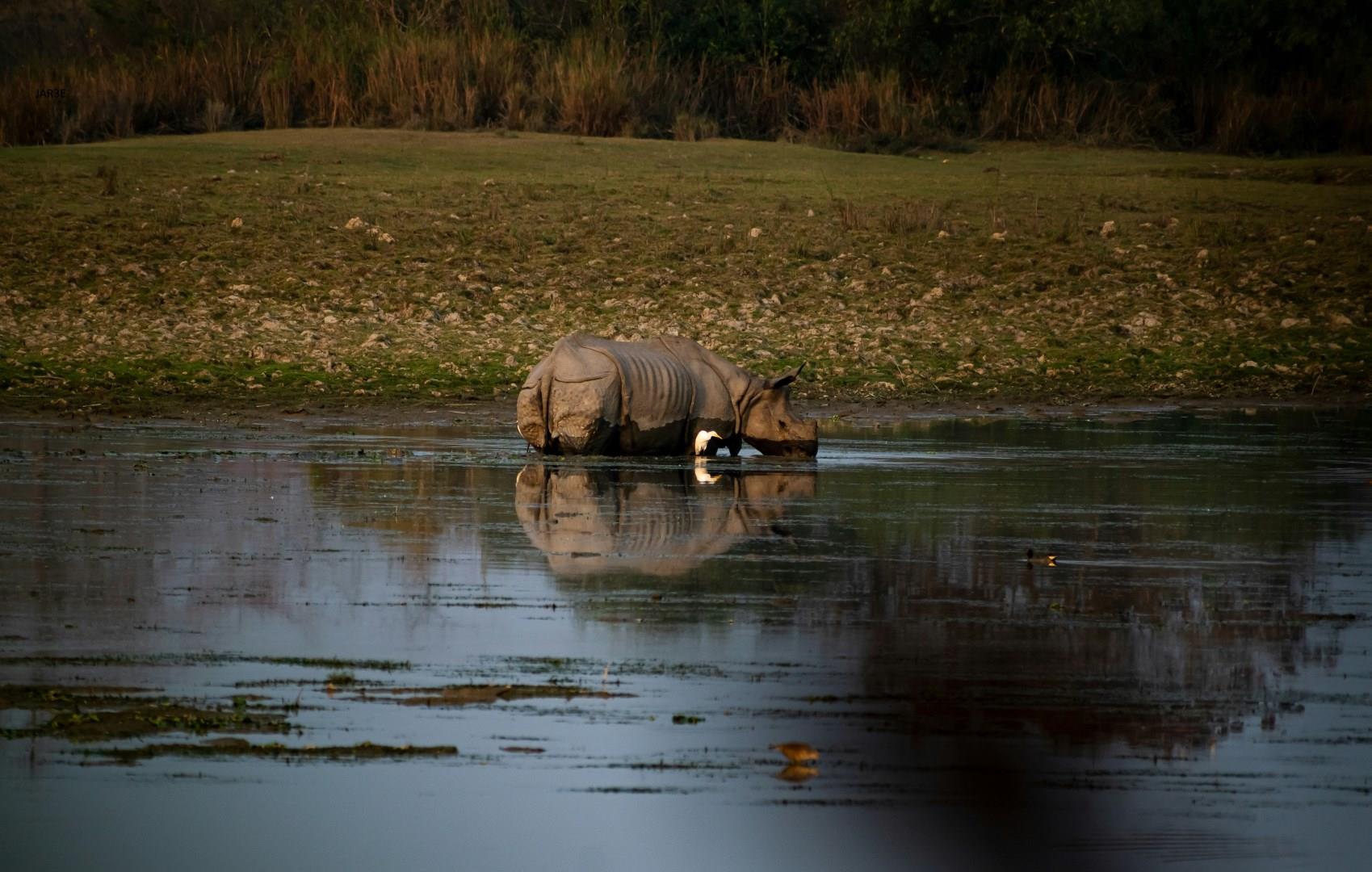
Kaziranga National Park
Kaziranga National Park stretches across the floodplains of the Brahmaputra River in Assam, shaped as much by water as by wildlife. Established in the early 20th century, it became central to conservation efforts in India, most notably for the greater one-horned rhinoceros. The park’s history reflects a long negotiation between protection, seasonal flooding, and the human communities that live around its edges.
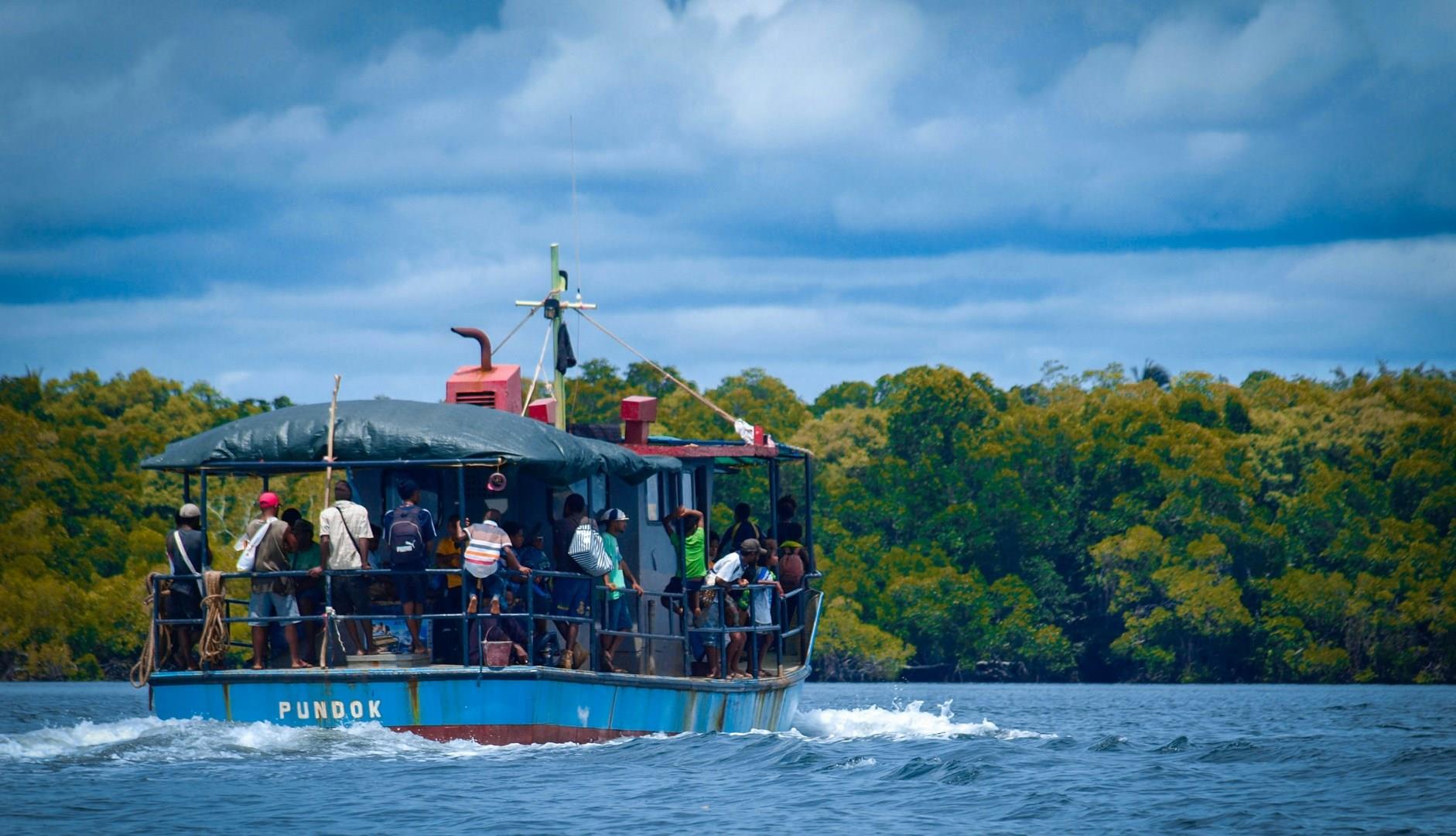
Madang Papua
Madang, perched on the edge of Astrolabe Bay, feels like a well-kept secret of Papua New Guinea that’s framed by lush jungles and dotted with volcanic isles. Every June, Madang pulses with energy at the annual Madang Festival. Villages from across the province gather for ceremonies where dancers don feathered costumes, shells, and body paint. The beat of kundu drums rises through the air and stories woven in movement.
