

Slovenia
>Slovenia, tucked between the Alps and the Adriatic Sea, is a small country with a strong sense of identity and an impressive variety of landscapes. Its capital, Ljubljana, is known for its walkable center and mix of Baroque, Secessionist, and modern architecture. The Ljubljanica River runs through the city and is lined with open-air cafés and artisan shops.

Paro
Paro, Bhutan, is a serene valley town that offers a gateway to the mystical charm of the Land of the Thunder Dragon. Nestled amidst verdant hills and bisected by the glistening Paro Chhu river, Paro is home to some of Bhutan’s most iconic landmarks and cultural treasures. At the heart of this picturesque valley stands the majestic Paro Dzong, or Rinpung Dzong, a fortress-monastery with a history dating back to the 17th century.
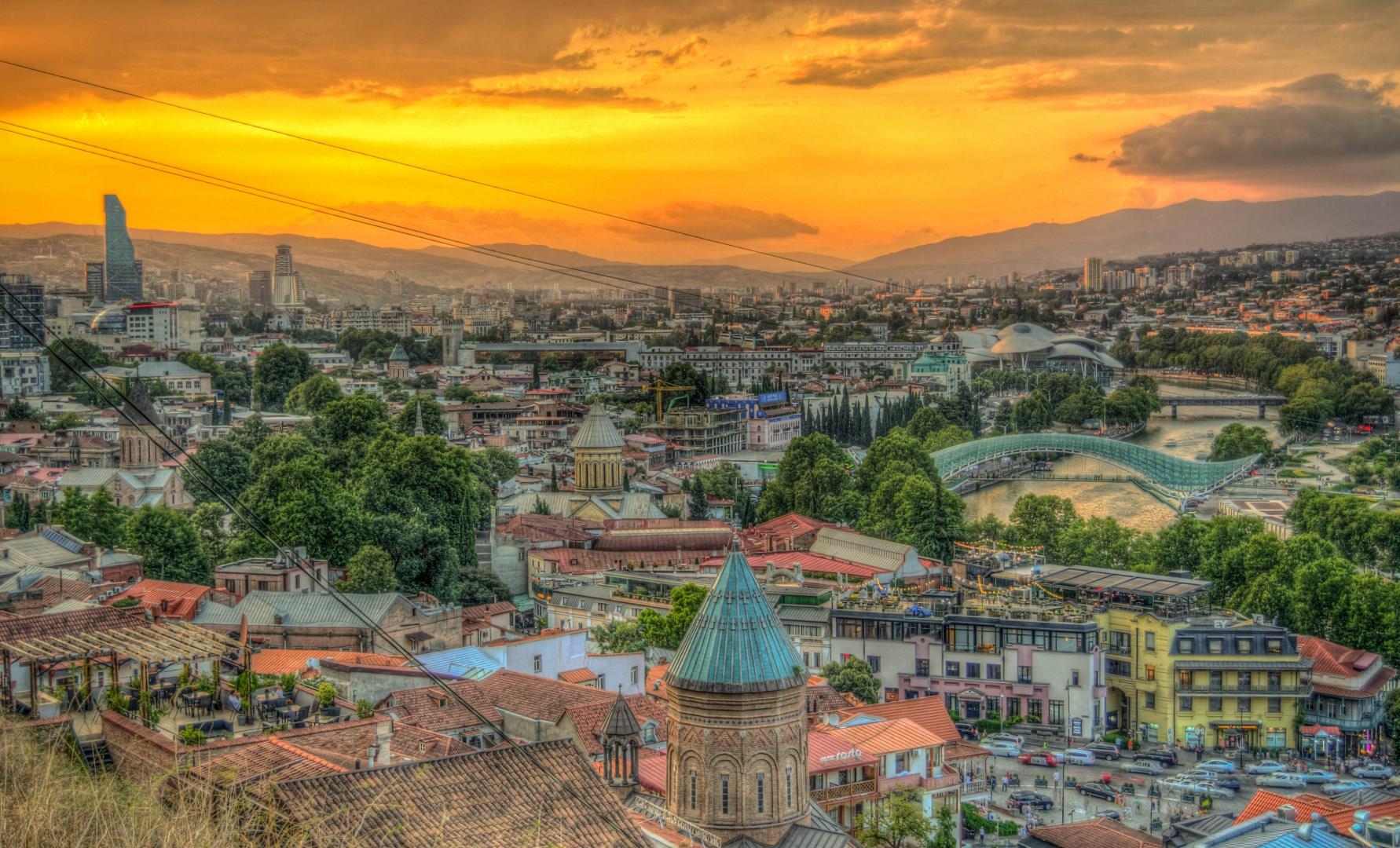
Tbilisi
Tbilisi, the capital of Georgia, is a city where tradition and modern life blend seamlessly. Set along the banks of the Kura River and surrounded by hills, its layout reflects centuries of change and cultural exchange. The Old Town, with its cobbled lanes and wooden balconies, is a living museum of architecture, showcasing influences from Persian, Ottoman, and Russian eras. Above it all, the Narikala Fortress stands watch, offering sweeping views of the city below.

Guanacaste
Guanacaste is a province on the western coast of Costa Rica in Central America. A biodiverse paradise, this region is popular for its tropical rainforests, beaches, and a variety of adventurous activities, including ziplining and snorkeling.

Helsinki
Nature is never far in Helsinki. Locals swim in the sea, walk forested trails, and gather mushrooms or berries all within city limits. One popular local habit is heading to the sauna, and the city offers several open-to-the-public options. Löyly, located on the waterfront, combines traditional wood-burning saunas with a sleek, modern design. In winter, visitors can even pair a sauna session with a quick dip through a hole cut in the ice for an experience both shocking and strangely calming.
