

Hvar
Hvar is a resort town and island off the coast of Croatia. A tourist destination with spectacular views of the Adriatic Sea, Hvar is popular for its beaches and is a favorite port for yacht cruises.

Kruger National Park
Kruger National Park, located in northeastern South Africa, is one of the world’s premier wildlife reserves and a cornerstone of African conservation. Established in 1898, it spans nearly 20,000 square kilometers, making it larger than many countries.

Jamaica
From the rhythmic sounds of Bob Marley to the breathtaking views of the Blue Mountains, Jamaica offers a mix of adventure and relaxation that caters to every type of traveler. The island offers a wealth of cultural experiences. Kingston, the capital city, is home to the Bob Marley Museum, where visitors can learn about the legendary musician and his influence on global culture. The historic town of Falmouth showcases Georgian architecture and offers insight into Jamaica's colonial past.
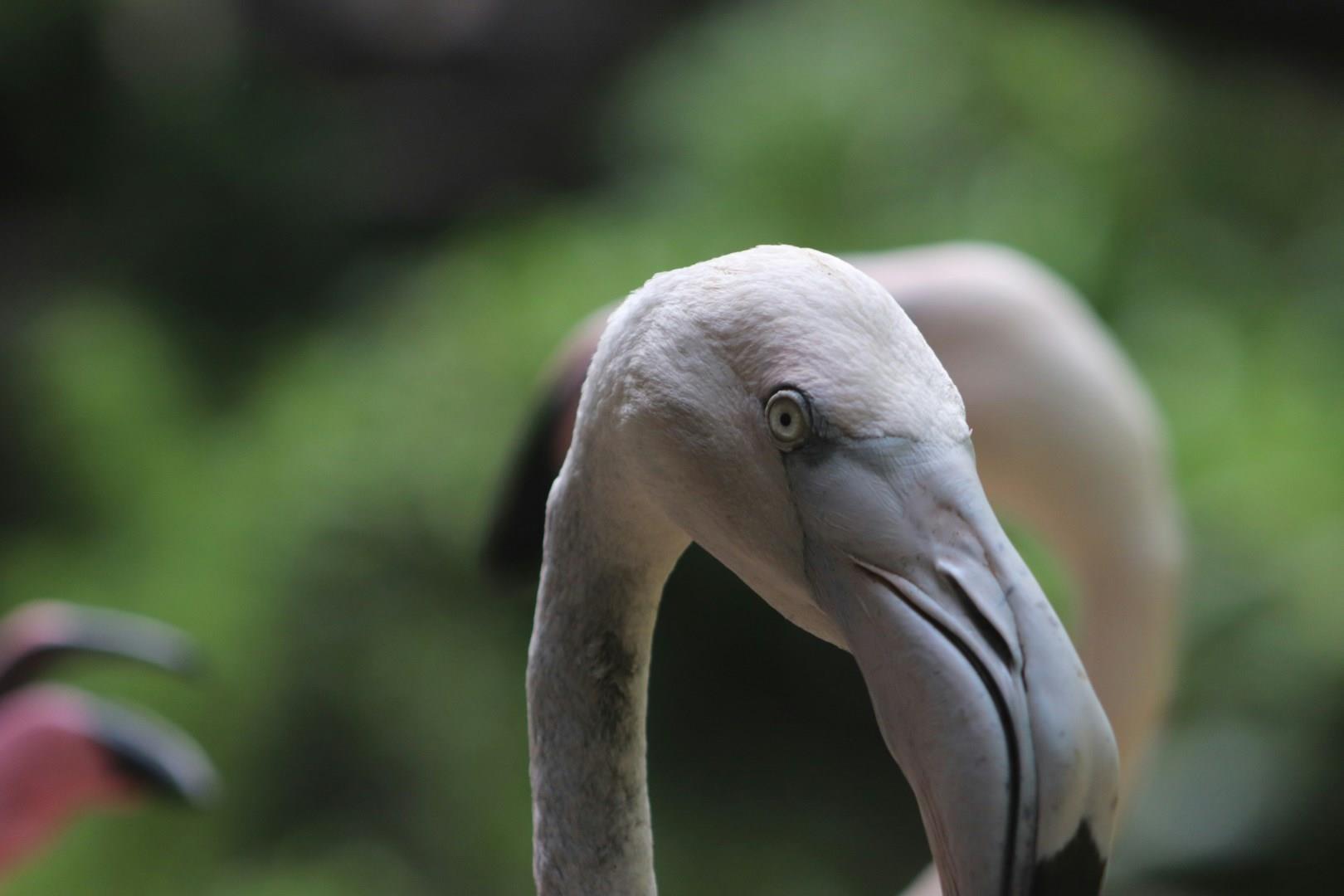
Kanchanaburi
Kanchanaburi, a province in western Thailand, is best known for its poignant history and lush landscapes. It was here that Allied prisoners of war and Asian laborers were forced to build the infamous Death Railway during World War II, including the Bridge over the River Kwai, which remains a powerful symbol of resilience.
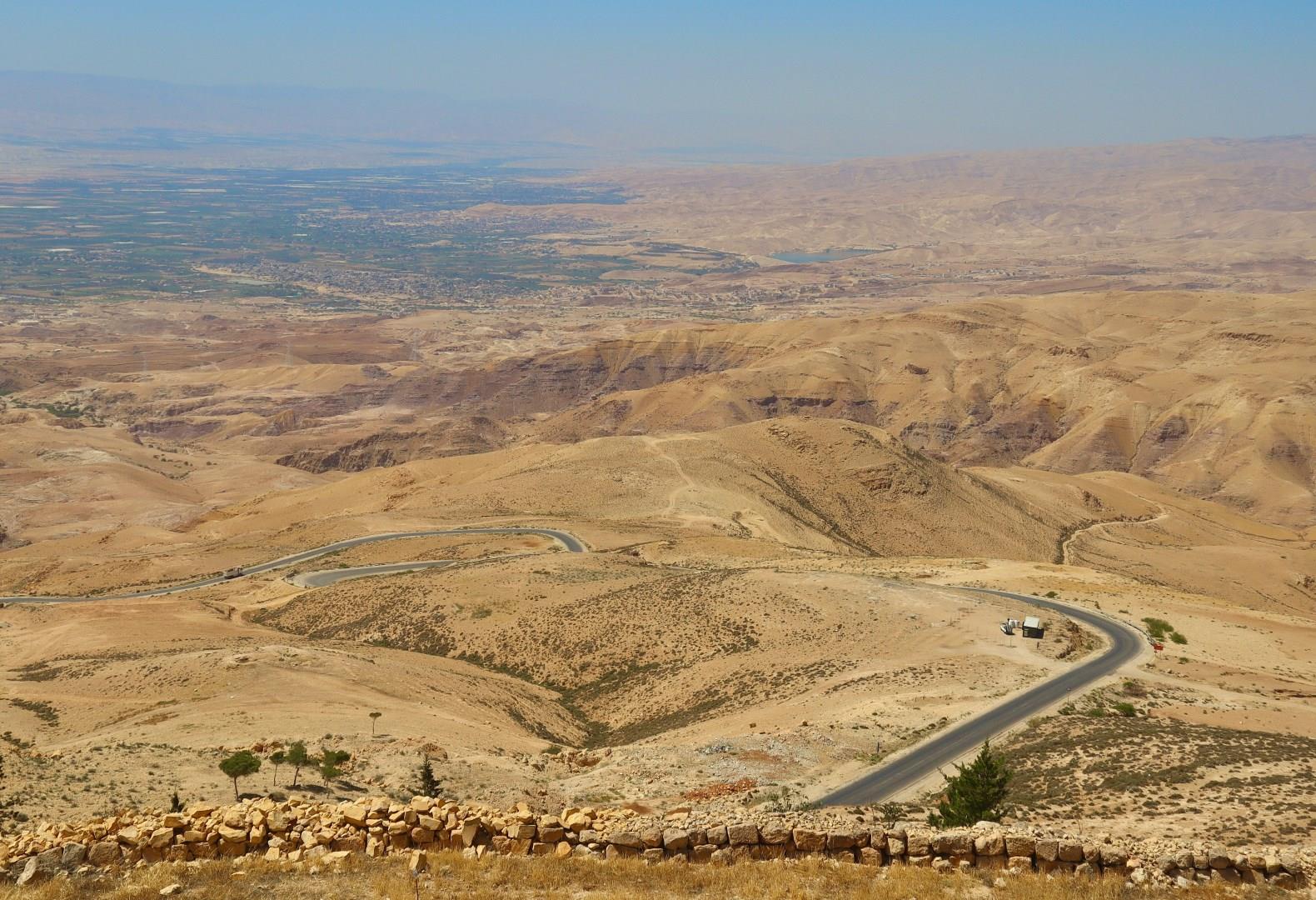
Madaba
Madaba sits on Jordan’s central plateau, known for a long history that stretches from biblical times through the Roman and Byzantine periods.
