

Cuenca
Nestled in the Andes Mountains, Cuenca, Ecuador, is a city that seamlessly blends colonial charm, cultural richness, and natural beauty. Known as the “Athens of Ecuador” due to its vibrant intellectual and cultural life, Cuenca's historic center is a UNESCO World Heritage Site that delights visitors with its cobblestone streets, whitewashed buildings, and red-tiled roofs.

Punakha
Punakha sits in one of Bhutan’s most fertile valleys, cradled where the Mo Chhu and Pho Chhu rivers meet. For centuries it served as the kingdom’s capital and remains a place rich with stories woven through its fields, temples, and riverbanks. The city’s low elevation brings warmer weather than much of Bhutan’s highland regions, and rice paddies fill the landscape with vivid green during planting and golden hues at harvest.

Iron Gates
The Iron Gates, a dramatic gorge along the Danube River, is a spectacular natural wonder straddling the border between Romania and Serbia. This striking geological formation carves its way through the Carpathian Mountains, creating breathtaking views that captivate all who visit.
Ponte de Lima
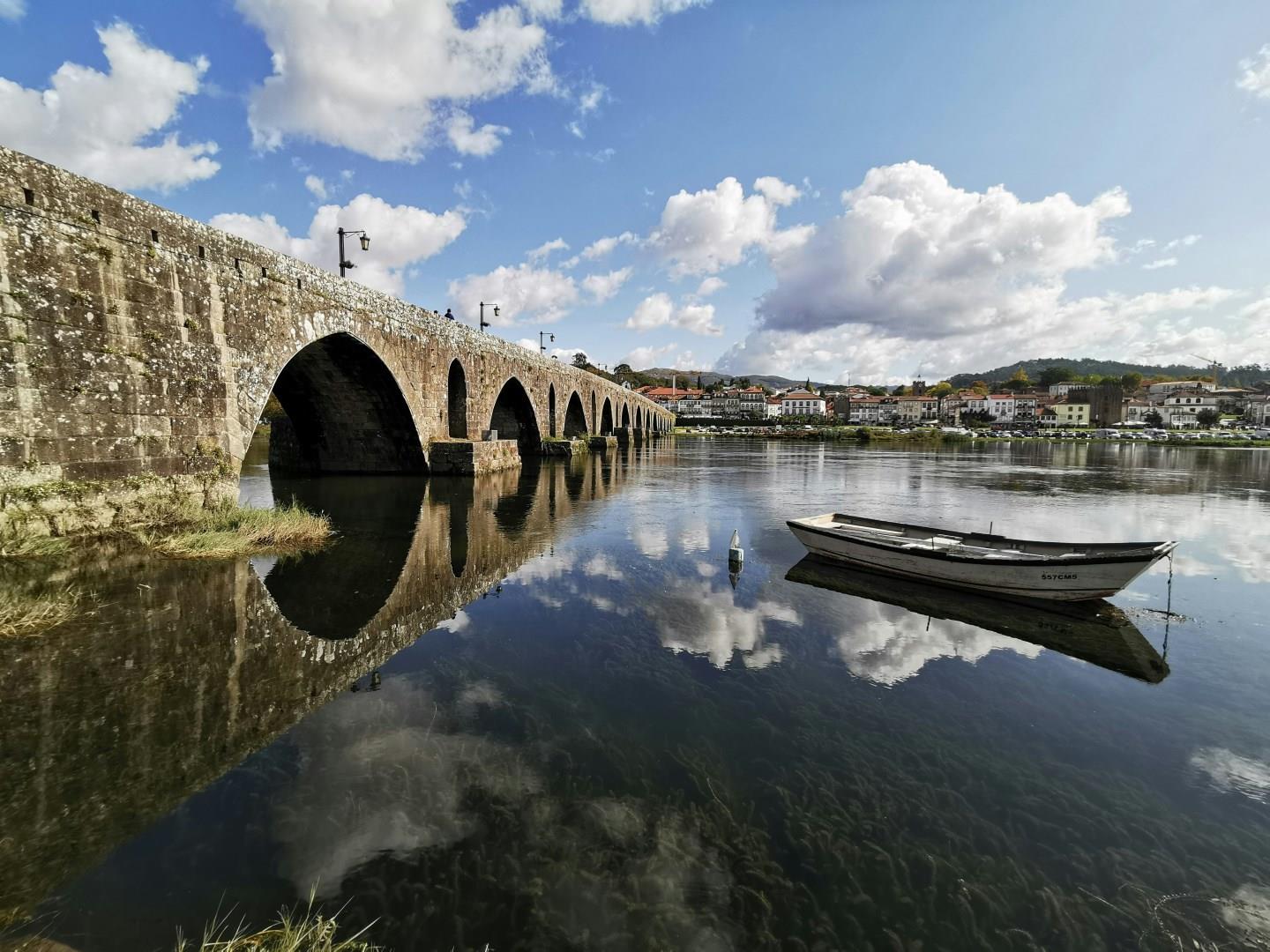
Ponte de Lima sits along the Lima River in northern Portugal and is often regarded as the country’s oldest town. Its identity centers on the medieval bridge that spans the river, parts of which date back to Roman times and still structure how the town is experienced today.
Engelberg
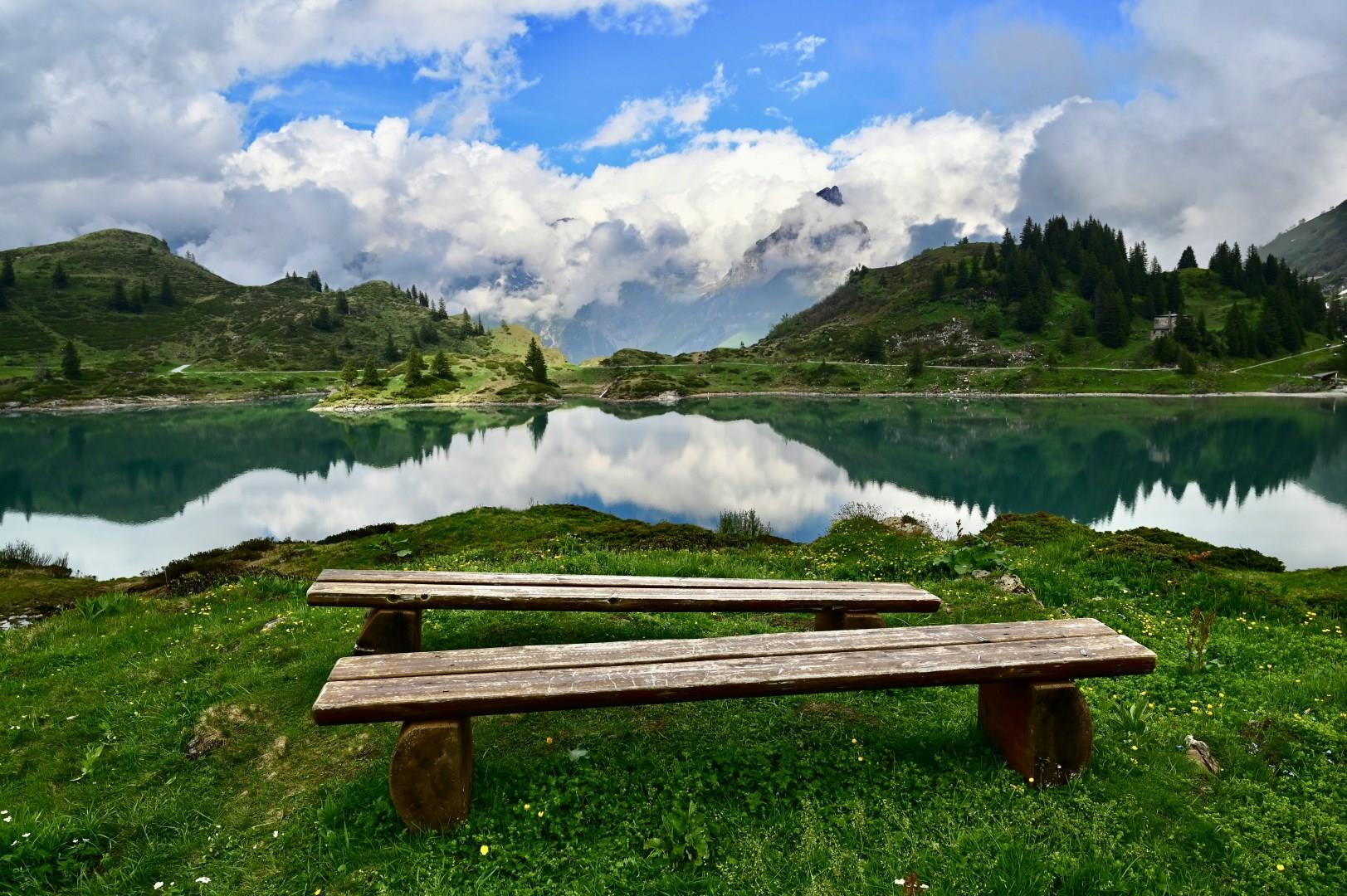
In Engelberg visitors can enjoy activities in all seasons. In winter, snow covers long ski runs, and slopes of all levels stretch down towards the valley. In warmer months, the same lifts take hikers to high meadows where paths lead past lakes and ridges with spectacular views. Down in the valley, the Brunni area has gentle slopes, a summer toboggan run, and even barefoot trails around quiet ponds, offering a different side of the Alps.
