

Dominica
Dominica, known as the “Nature Island of the Caribbean,” is a haven for eco-tourists and adventure seekers. Nestled between the French islands of Guadeloupe and Martinique, this lush island boasts a remarkable landscape of volcanic mountains, dense rainforests, and stunning waterfalls. Dominica’s most iconic natural wonder is the Boiling Lake, the second-largest hot spring in the world.

Essaouira
Essaouira, a charming coastal city in Morocco, offers an enchanting blend of history, culture, and natural beauty. Nestled on the Atlantic coast, Essaouira is renowned for its well-preserved medina, a UNESCO World Heritage Site, featuring a labyrinth of narrow alleys, whitewashed buildings, and vibrant blue shutters. This historic port city boasts impressive ramparts, including the iconic Skala de la Ville, which offers panoramic views of the ocean and the bustling harbor.
Madaba
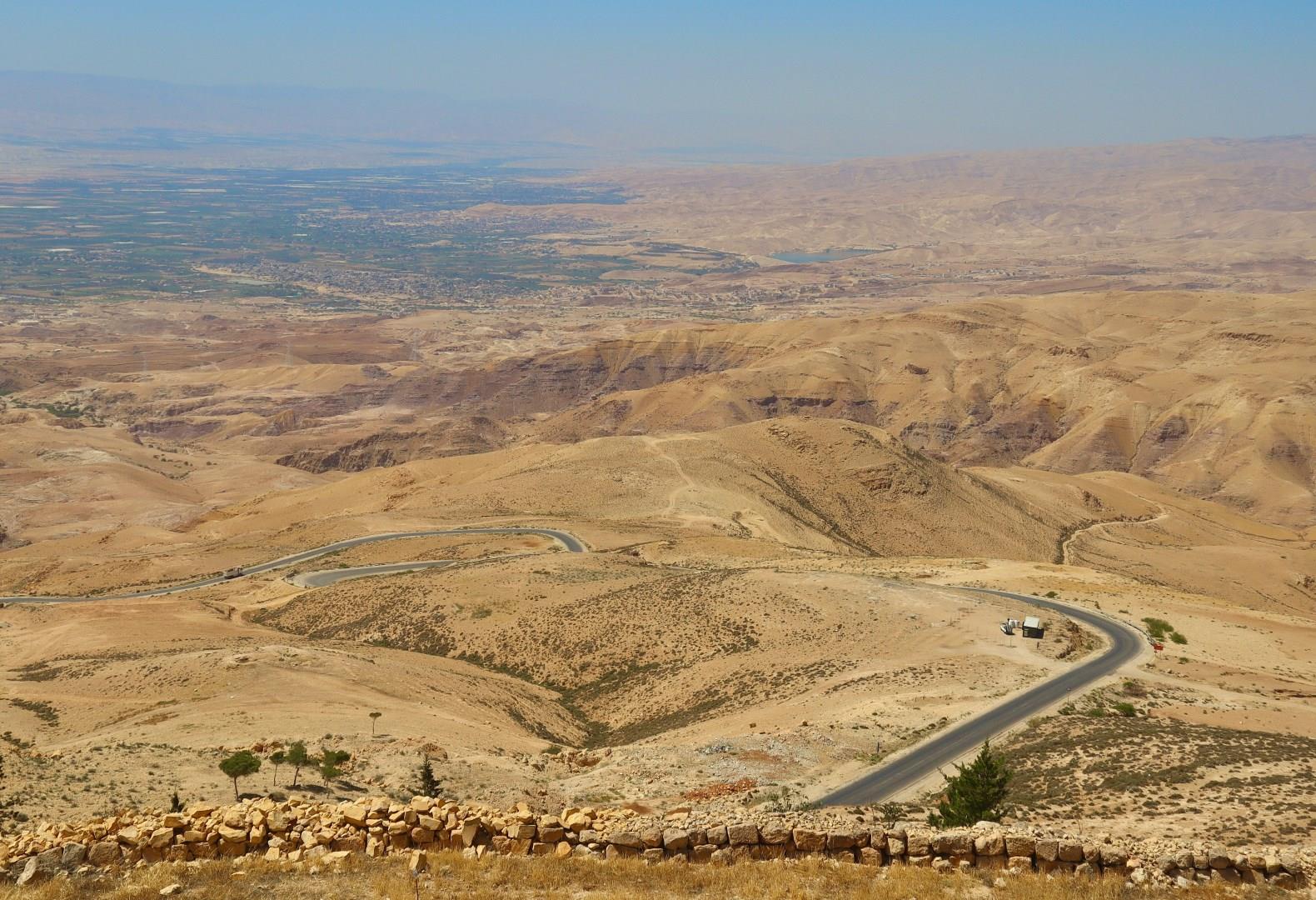
Madaba sits on Jordan’s central plateau, known for a long history that stretches from biblical times through the Roman and Byzantine periods.
Timor-Leste
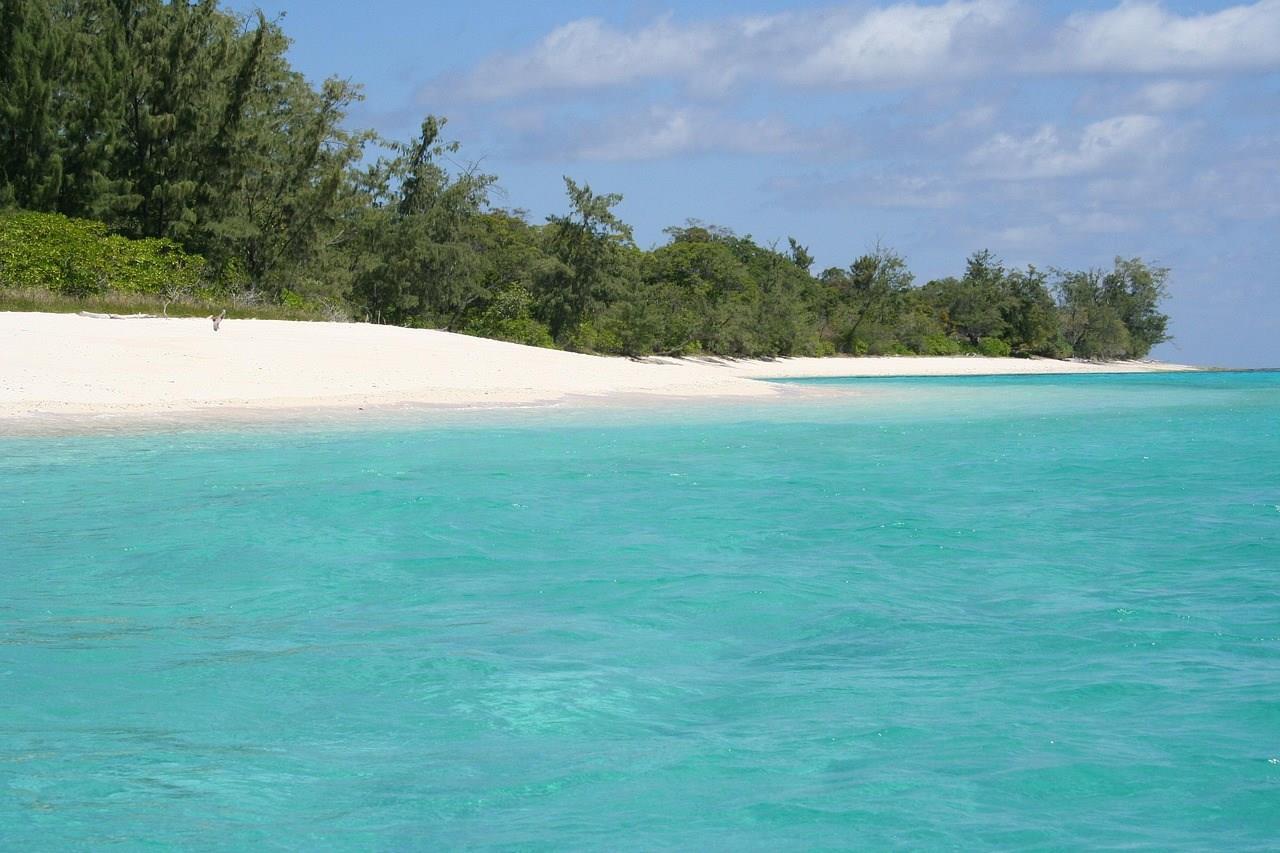
Timor-Leste, one of the world’s youngest nations, is a place where resilience and cultural richness shape everyday life. Its history is deeply marked by centuries of Portuguese colonial rule, followed by Indonesian occupation and a long struggle for independence, achieved in 2002.
Branson
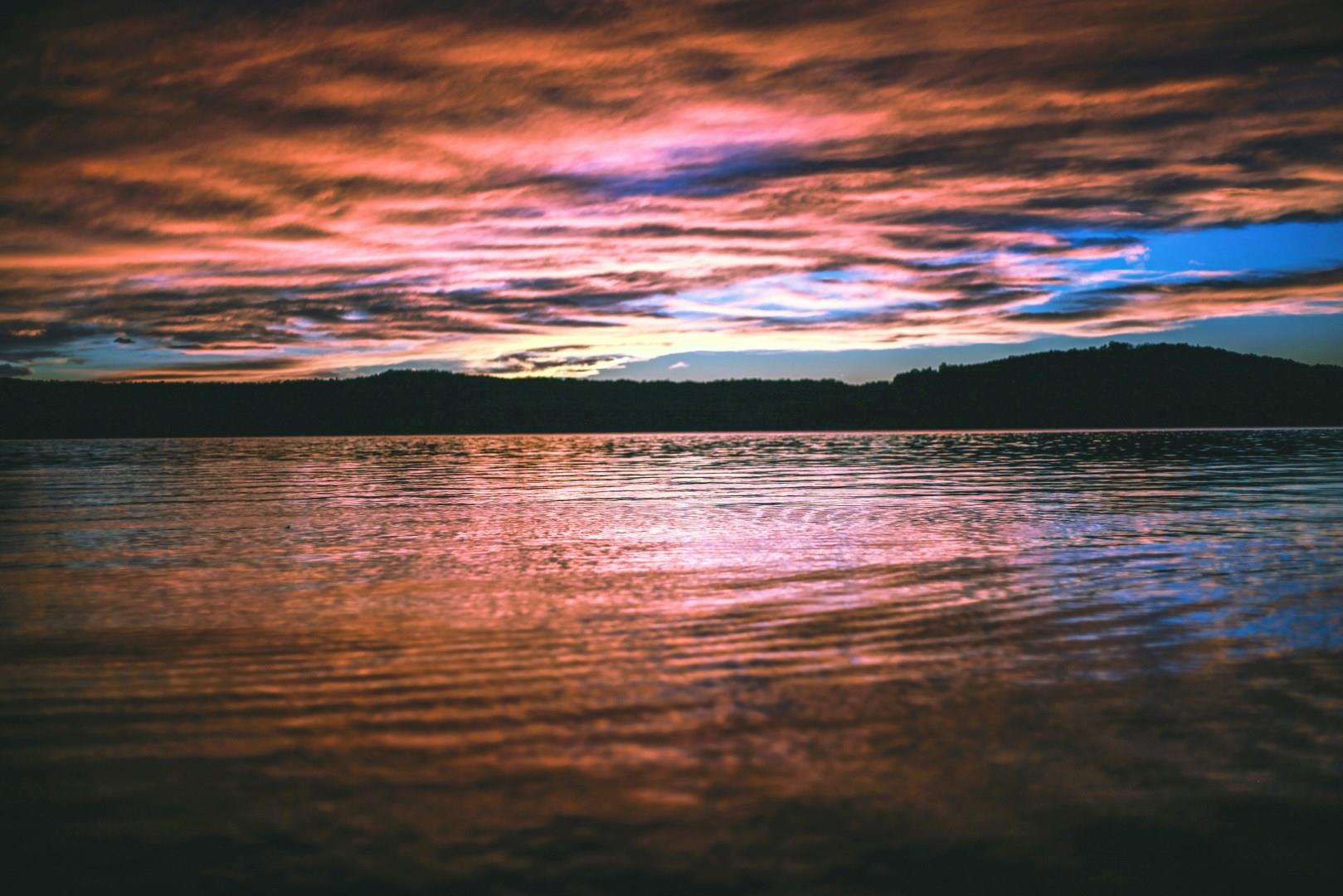
Branson, Missouri may be tucked into the Ozark Mountains, but there's nothing quiet about its entertainment scene. Since the 1960s, the town has built its reputation on live music, with more than 100 shows running at peak season. From country and gospel to comedy and magic, Branson’s theaters offer family-friendly entertainment nearly every night of the week. The Presleys' Country Jubilee, the first show on what is now 76 Country Boulevard, still packs the house after more than 50 years.
