

Zermatt
Among the stunningly snow-capped Swiss Alps, Zermatt is a charming ski resort town in Switzerland. Situated near the iconic Matterhorn peak, Zermat is the perfect destination for skiing, snowboarding, and hiking.

Marquesas Islands
Farther from a continental landfall than any other group of islands on earth, the twelve Marquesas jut out of the open Pacific just south of the equator, shrouded in a constant cloud cover.

Georgetown
Georgetown, the vibrant capital of the Cayman Islands, offers an alluring blend of Caribbean charm and modern sophistication. As the bustling heart of the Grand Caymans, it is renowned for its picturesque harbor, duty-free shopping, and a rich tapestry of cultural experiences.
Ascension
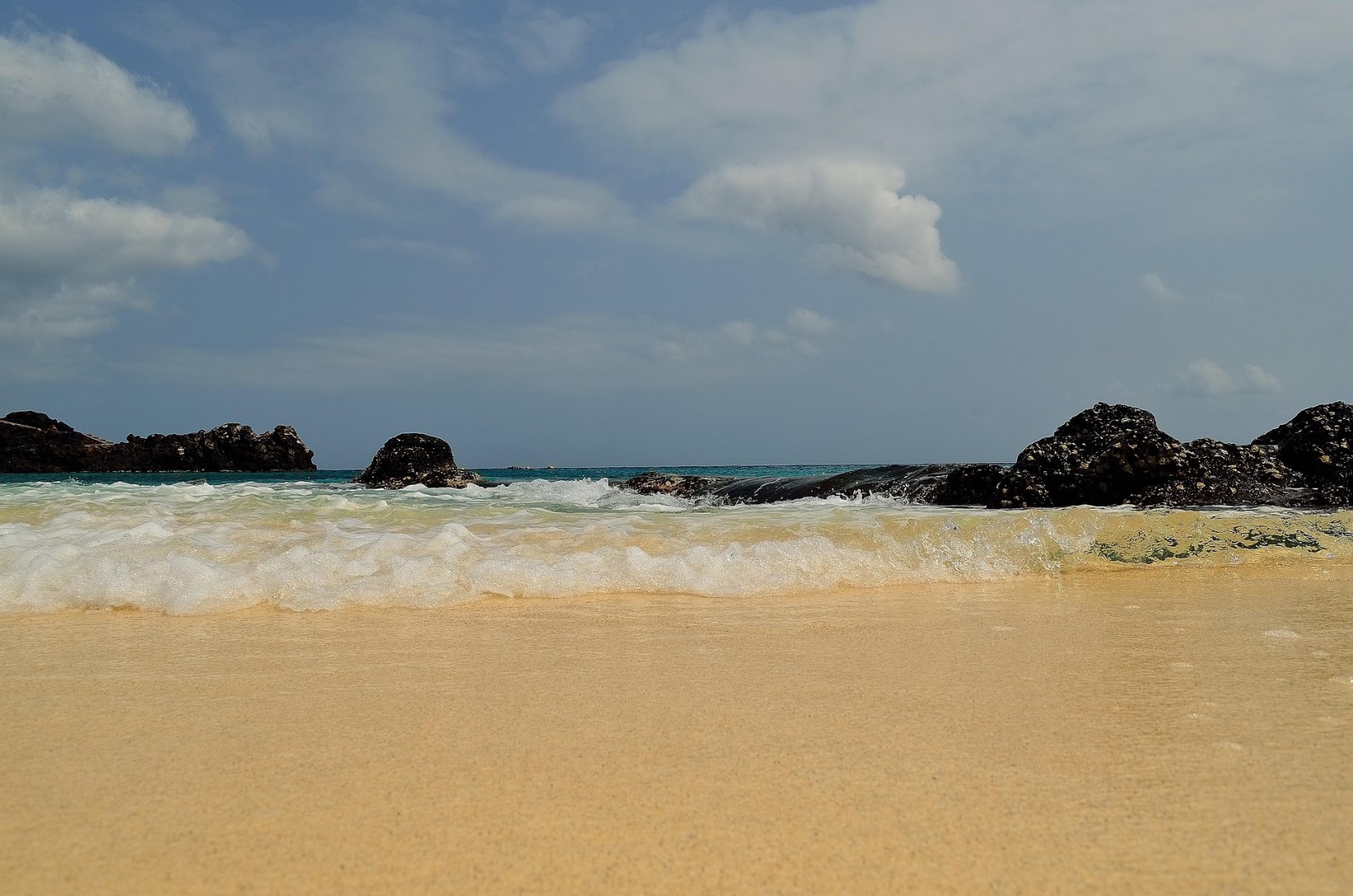
Ascension island, British dependency of St. Helena, in the South Atlantic Ocean, about midway between Africa and South America and 700 miles northwest of St. Helena. The small, volcanic island was sighted by the Portuguese in 1501, but it was uninhabited until the exile of Napoleon to St. Helena in 1815.
Palau
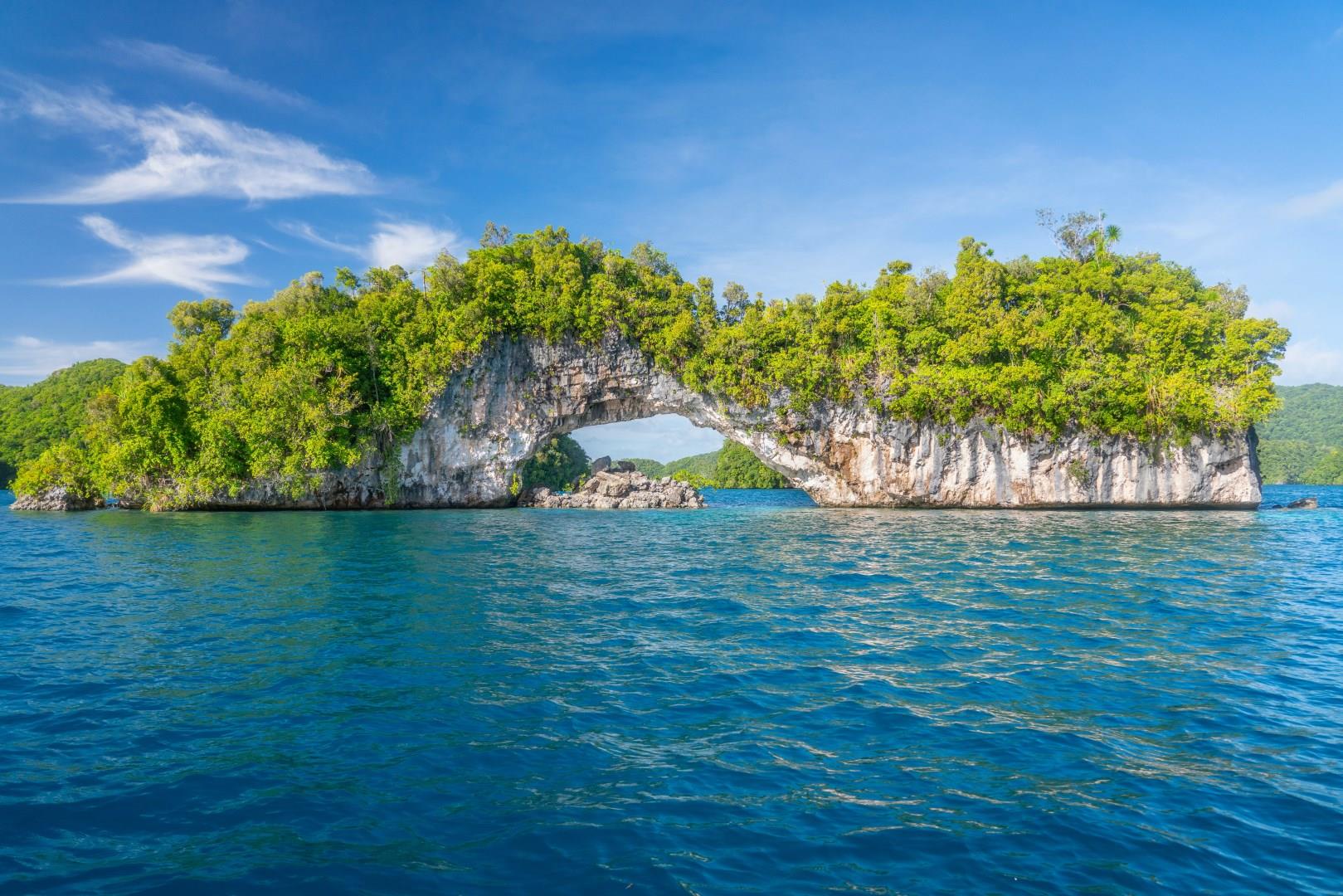
Palau, a Pacific island nation made up of over 500 islands, offers a one-of-a-kind experience for travelers who want to discover something both ancient and alive. Located between the Philippines and Guam, this small country is known for its otherworldly seascapes, but its appeal runs far deeper than its turquoise waters.
