

Jurassic Coast
The Jurassic Coast, a UNESCO World Heritage Site, is a breathtaking stretch of England’s southern coastline that spans 95 miles from Exmouth in Devon to Studland Bay in Dorset. It is renowned for its dramatic cliffs, stunning beaches, and incredible geological history, offering visitors the chance to explore 185 million years of Earth’s evolution.
Nauru
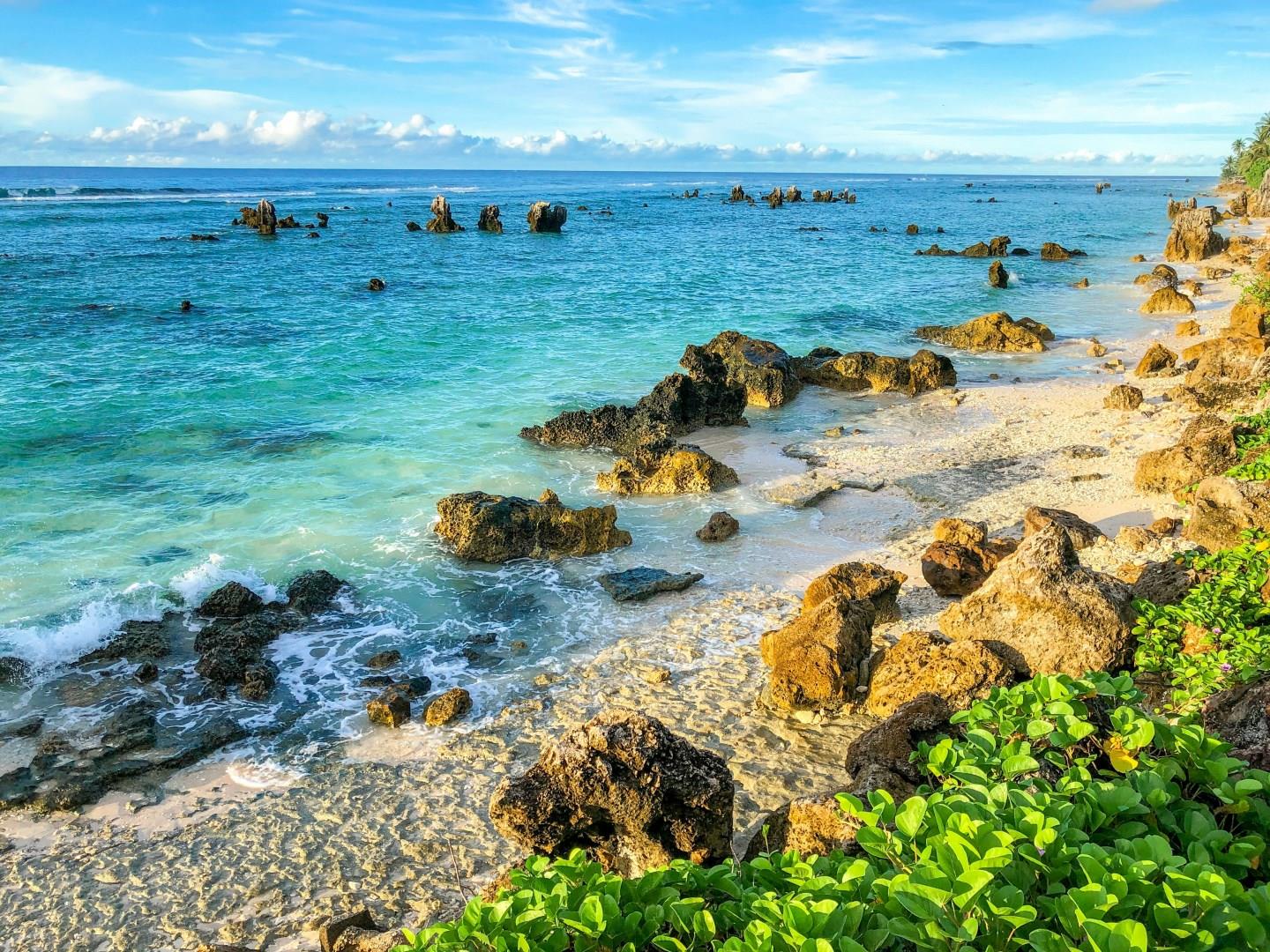
Tucked away in the heart of the Pacific Ocean, Nauru is one of the world’s smallest and least visited countries being an island nation just 21 square kilometers in size, with a population under 10,000. But its compact size makes exploring simple and rewarding. Visitors can circle the entire island by car in under an hour, taking in stunning ocean views, remnants of World War II bunkers, and clusters of colorful homes that speak to Nauru's resilient spirit and layered past.
Yogyakarta Java
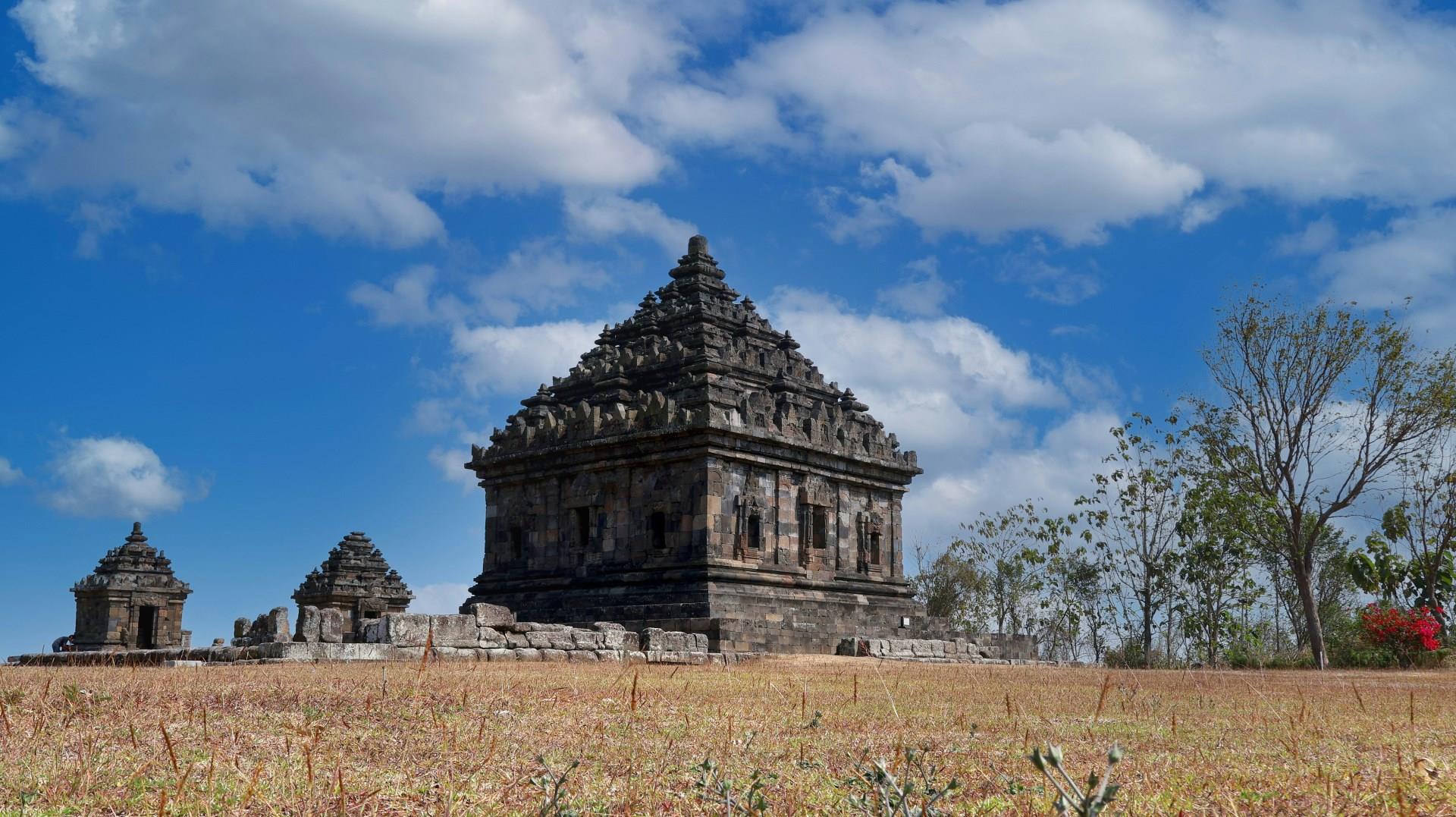
Yogyakarta, on the island of Java, is often described as Indonesia’s cultural capital, a reputation grounded in living tradition rather than nostalgia.

Pamukkale
Pamukkale is a fairyland of dazzling white, petrified castles. It is a magical and spectacular natural site, unique in the world. Thermal spring waters laden with calcareous salts running off the plateau's edge, have created this fantastic formation of stalactites, cataracts and basins.
Trier
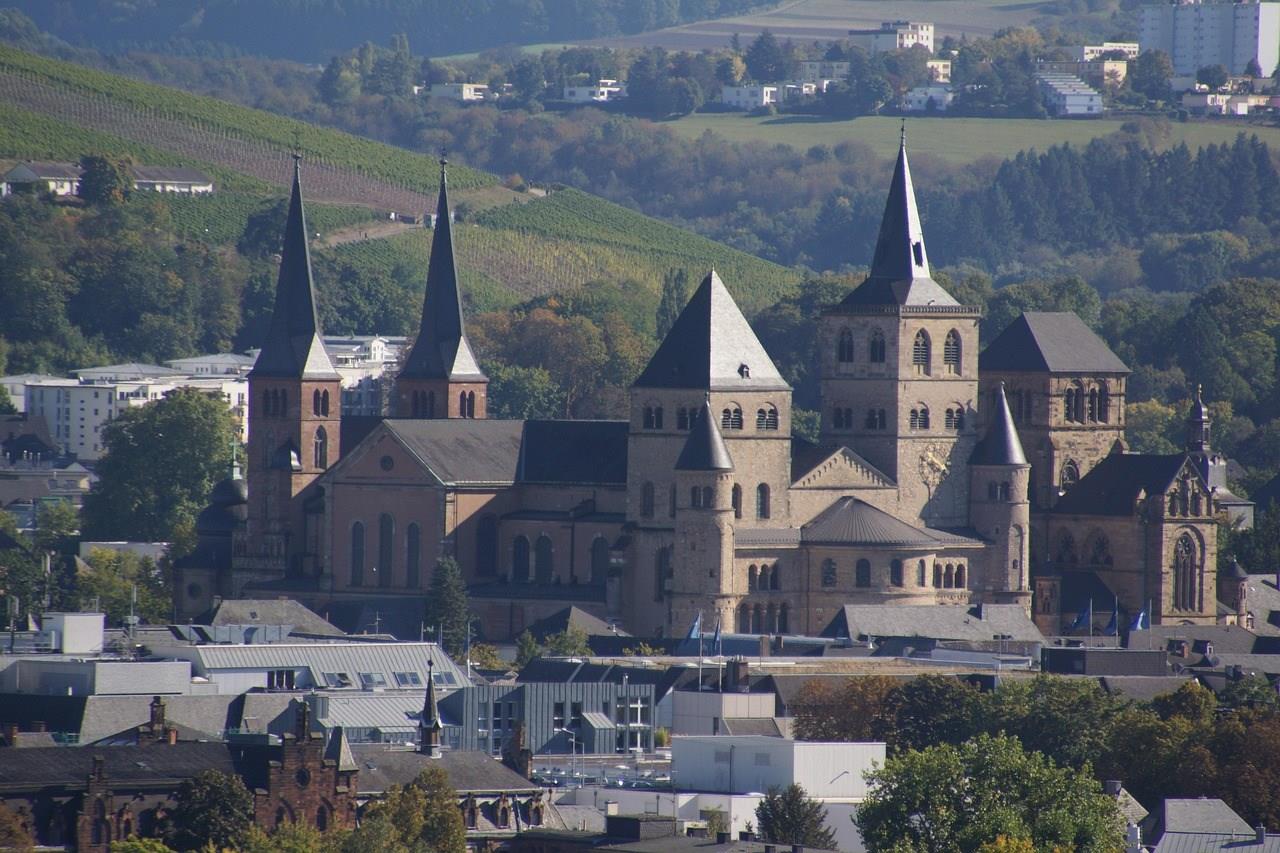
Trier, Germany’s oldest city, is a living museum nestled in the Moselle Valley, where Roman ruins rise beside medieval churches and bustling market squares. Founded by the Romans in 16 BCE, Trier was once known as “Roma Secunda,” the second Rome, and still boasts the largest collection of Roman architecture north of the Alps. The Trier Cathedral (Dom St. Peter), which is a UNESCO World Heritage Site, is the oldest church in Germany and houses a relic said to be the Holy Robe of Christ.
