
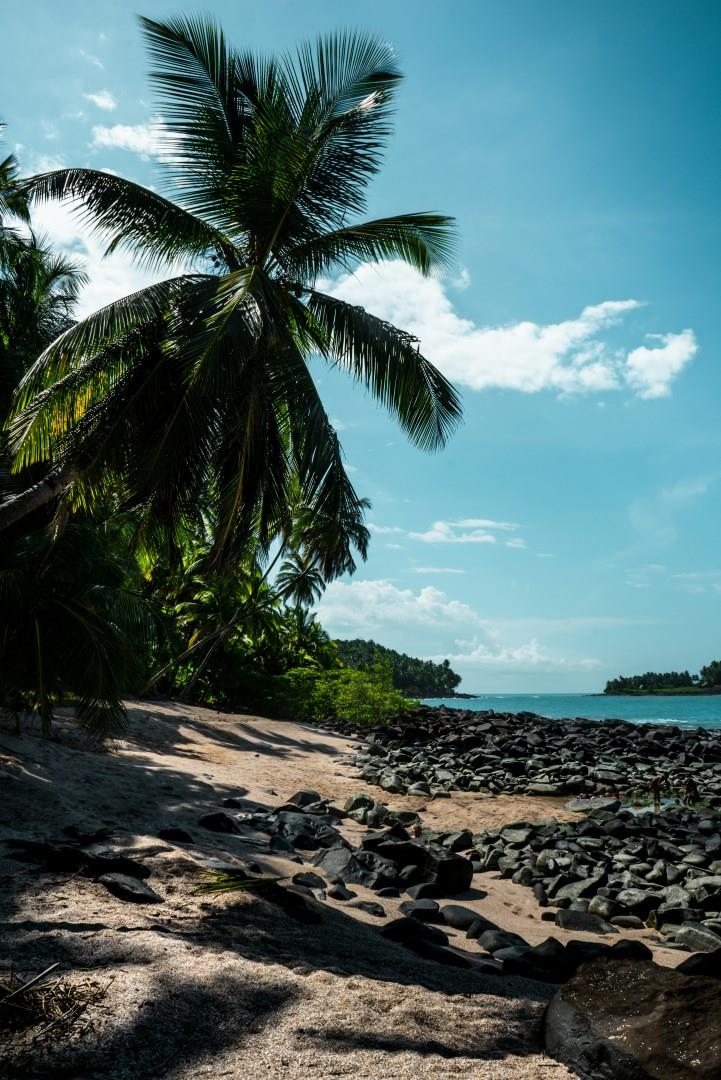
Cayenne
Cayenne, the lively capital of French Guiana, sits where the Cayenne River meets the Atlantic Ocean, blending South American rhythms with French-Caribbean influence. While it's officially part of France, Cayenne feels worlds away from Paris, with colorful markets, colonial architecture, and a language mix that includes French, Creole, Portuguese, and Indigenous dialects.

Vukovar
Vukovar, a city in eastern Croatia, stands as a poignant symbol of resilience and beauty. Its rich history is etched into its architecture and monuments, telling the story of its resilience during the Croatian War of Independence.

Tuscany
Tuscany, Italy, is a region where the essence of Italy's beauty, history, and culture is captured in its rolling hills, timeless villages, and world-class art. Famous for its postcard-perfect landscapes, Tuscany is where cypress-lined roads lead to centuries-old hilltop towns like Montepulciano and Montalcino, which are steeped in history and offer some of Italy's finest wines, including the renowned Brunello di Montalcino. Tuscany is a treasure trove for lovers of art and architecture, boasting
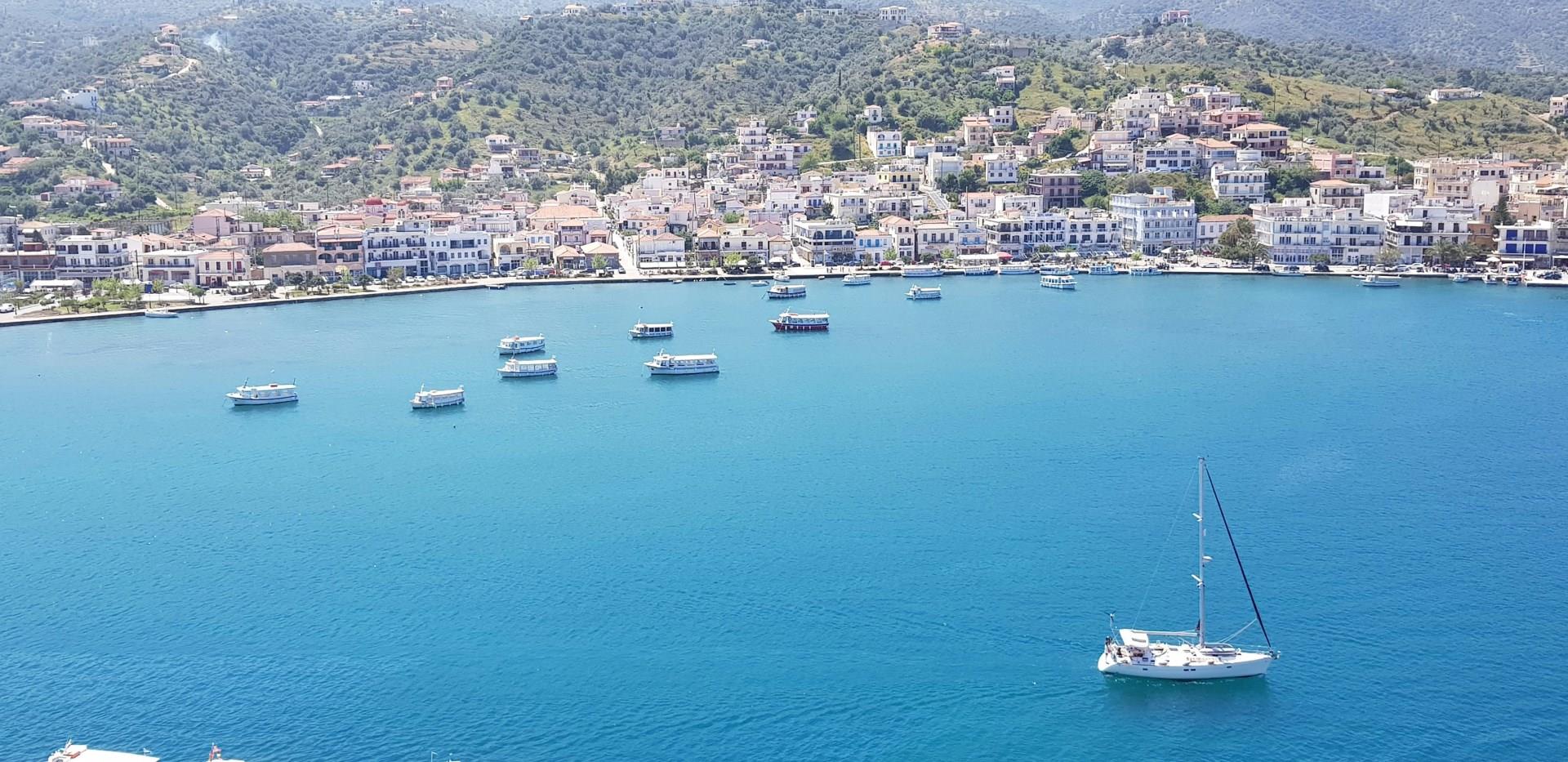
Poros
Poros, a small island in the Saronic Gulf of Greece, is known for its pine-covered hills, neoclassical architecture, and laid-back charm. Just an hour by ferry from Athens, it feels worlds away from the bustle of the capital, offering a slower pace and picturesque scenery.
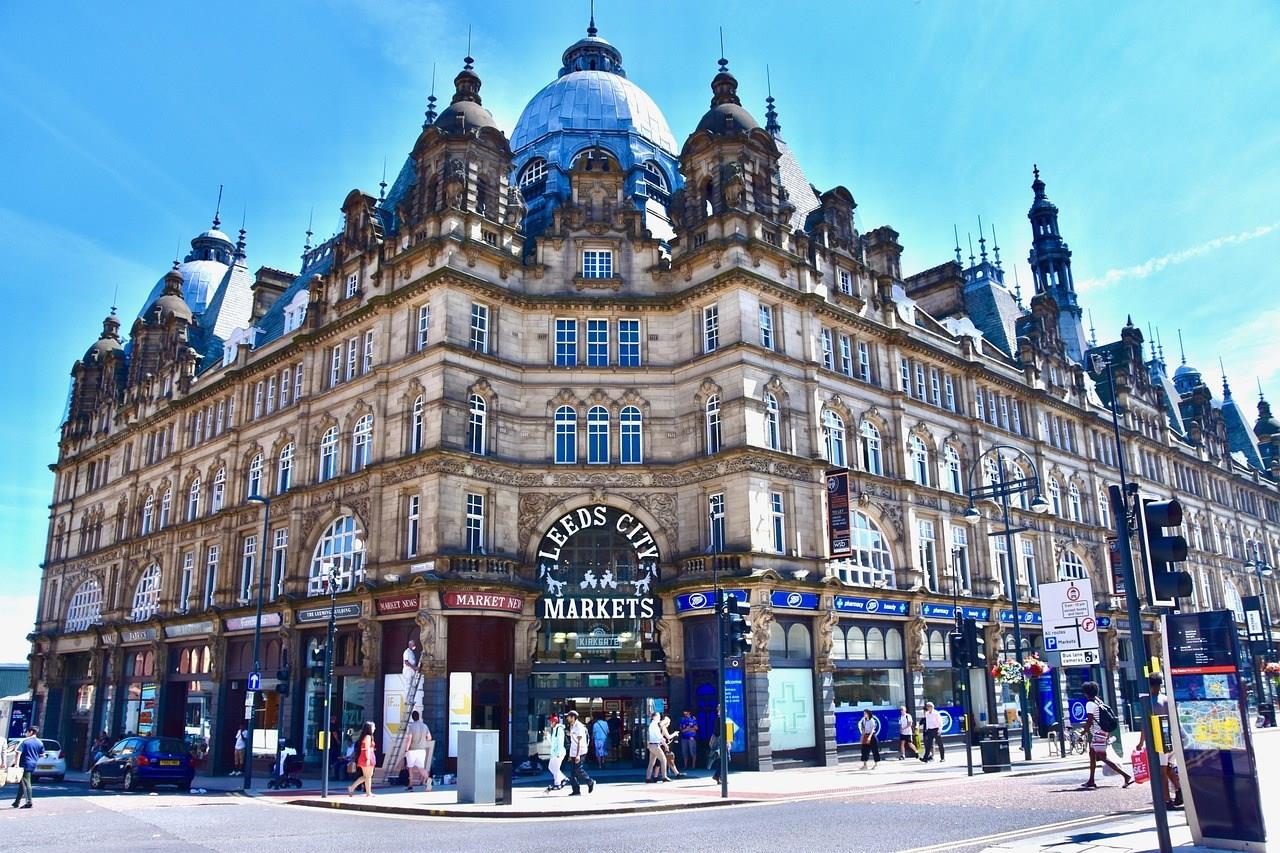
Leeds
Leeds, in the heart of West Yorkshire, is one of northern England’s most dynamic cities, where industrial heritage meets modern creativity. Once a powerhouse of the textile trade during the Industrial Revolution, the city has transformed into a hub for business, culture, and education.
