

Cairns
Cairns is the majestic entrance to Australia's Great Barrier Reef. This warm, tropical destination is located in Far North Queensland. Must-see attractions in Cairns include the Tjapukai Aboriginal Cultural Park, which educates tourists about indigenous peoples, and restaurant and bar-dotted Cairns Esplanade, which has a lagoon for swimming.
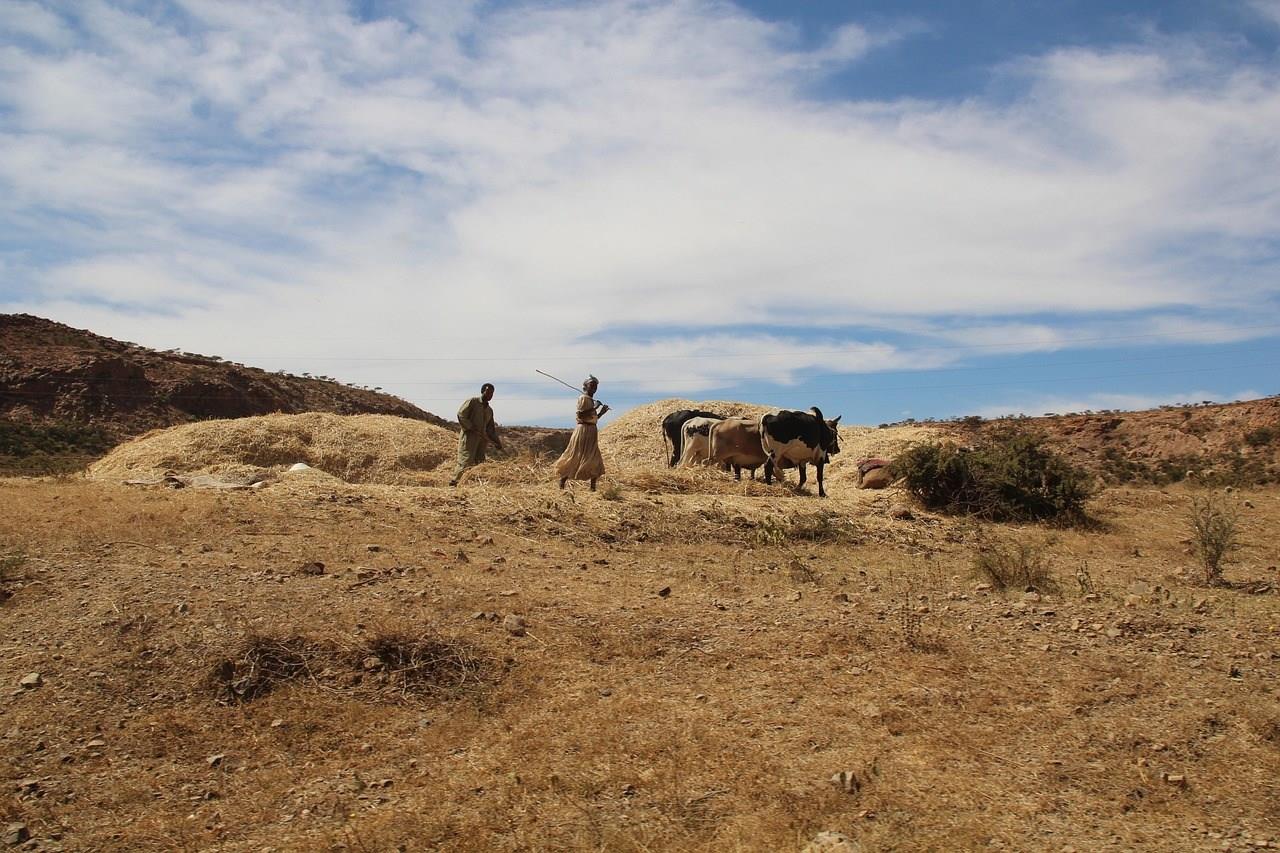
Eritrea
Eritrea, located along the Red Sea in the Horn of Africa, offers a fascinating blend of history, diverse landscapes, and rich cultural traditions.

Scottsdale
Scottsdale, Arizona is a resort destination on the Sonoran Desert, located just east of Phoenix. Scottsdale is best known for its golf courses, luxury resorts, and variety of outdoor adventures, including hiking, rafting, and off-roading.
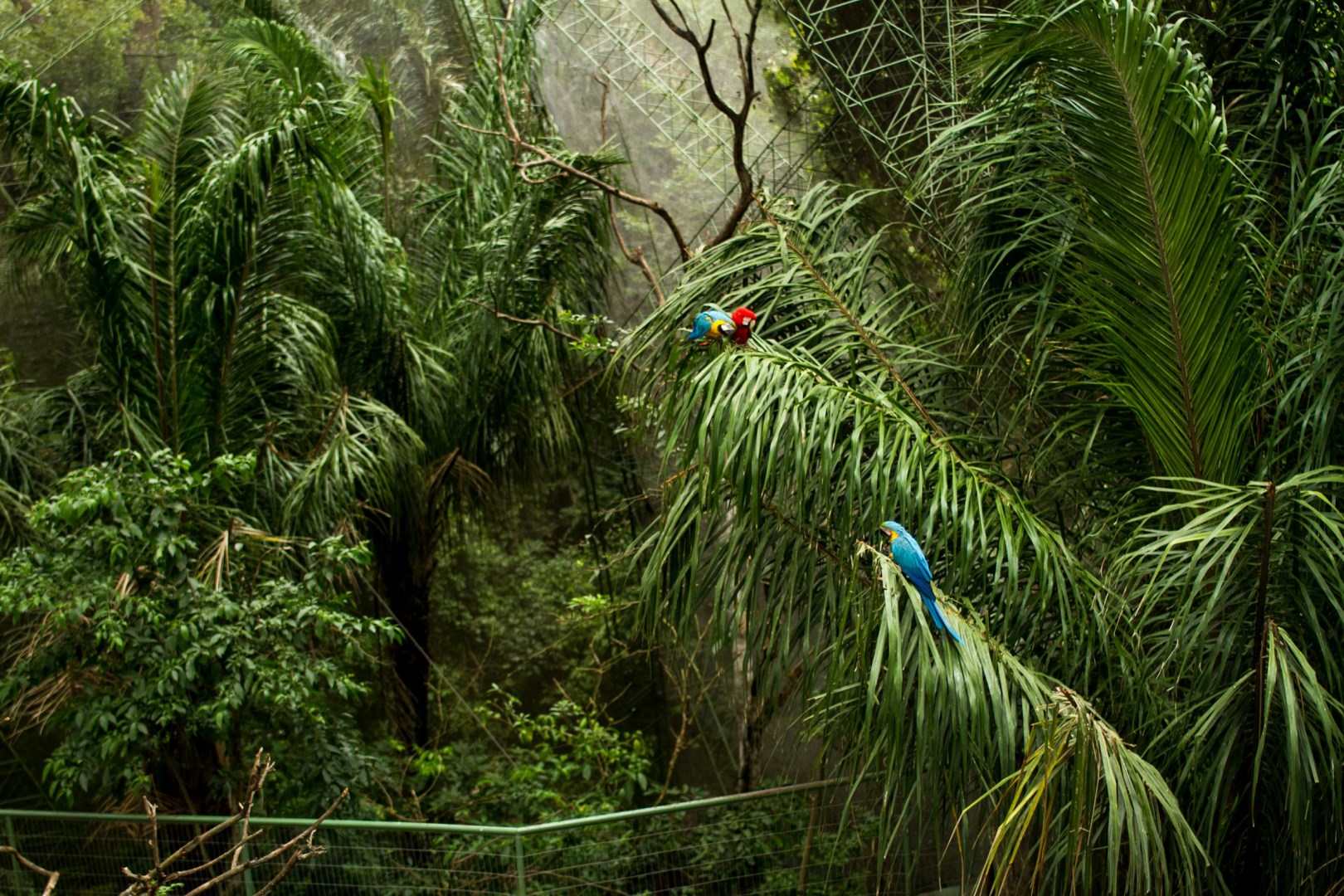
Santa Cruz de la Sierra
Santa Cruz is in stark contrast to La Paz. Climate is tropical and altitude is only 1,250 feet. It is on the eastern lowland side of the Andes mountain range and one of the gateways to Bolivia's jungle area. Trinidad is the other. Much of Bolivia's natural resources, including agricultural products, are found in this area. Although Santa Cruz has grown tremendously some parts of downtown still retain a look of an Old West frontier town. Carnival is an especially happy time to be in Santa C
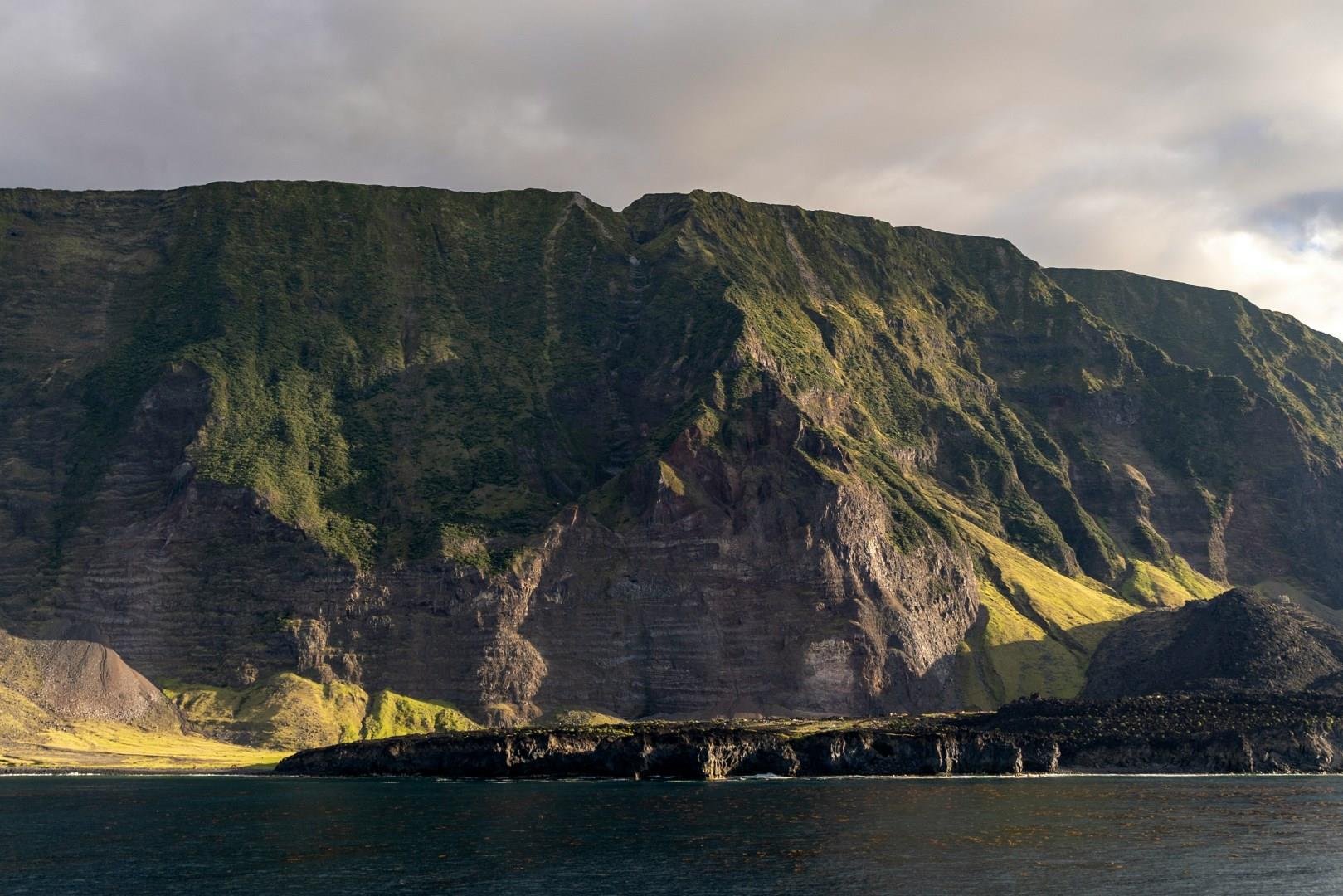
St. Helena
St. Helena is a remote island in the South Atlantic Ocean, known for its dramatic cliffs, volcanic landscapes, and rich history. It is most famous as the place where Napoleon Bonaparte spent his final years in exile, and visitors can explore Longwood House and other historic sites that tell the story of this period.
