
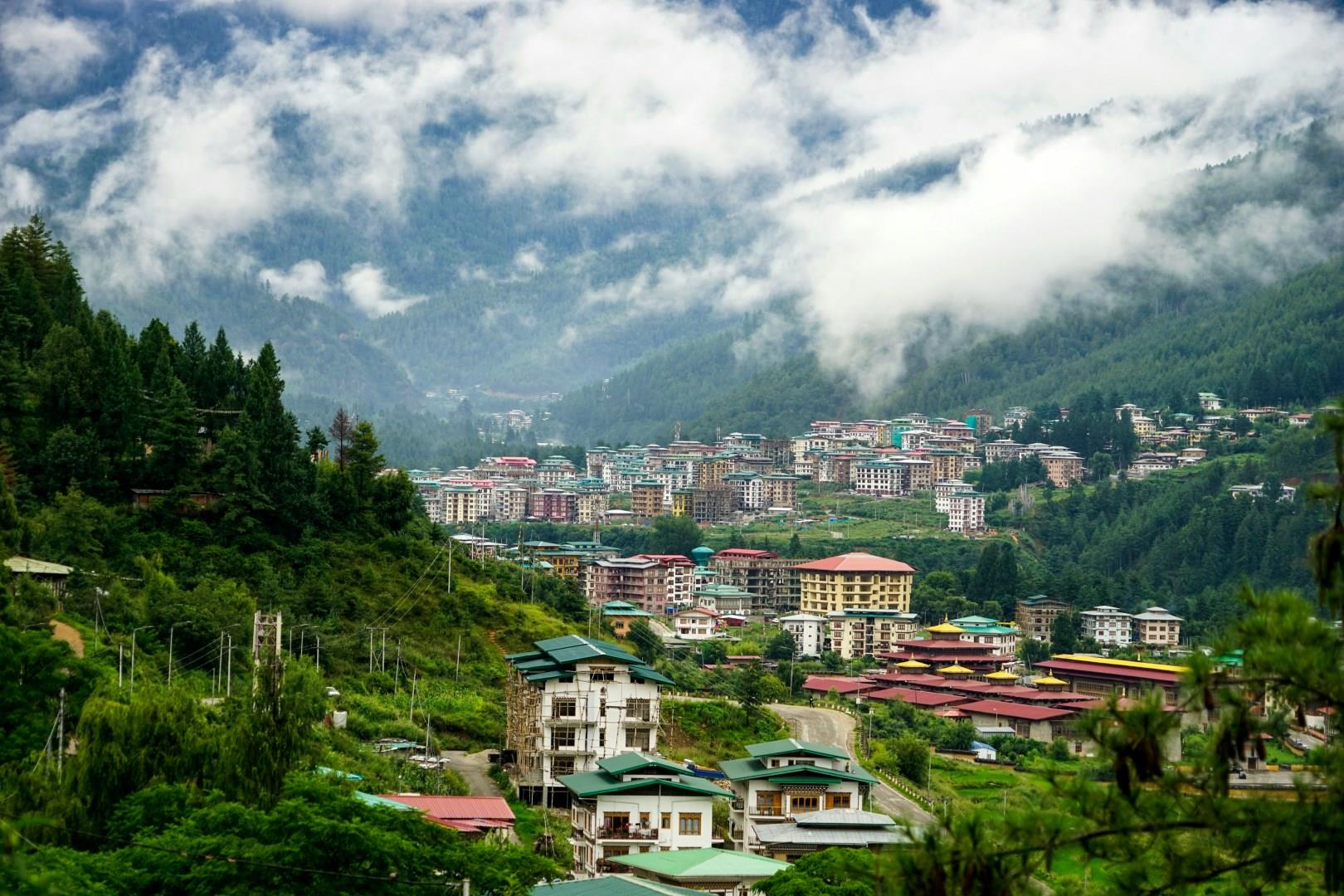
Thimpu
Thimphu, the capital of Bhutan, is a city where tradition and modern life meet in unexpected ways. Streets are lined with traditional Bhutanese architecture, colorful prayer flags, and shops selling handicrafts, while government offices and modern facilities operate alongside centuries-old temples.
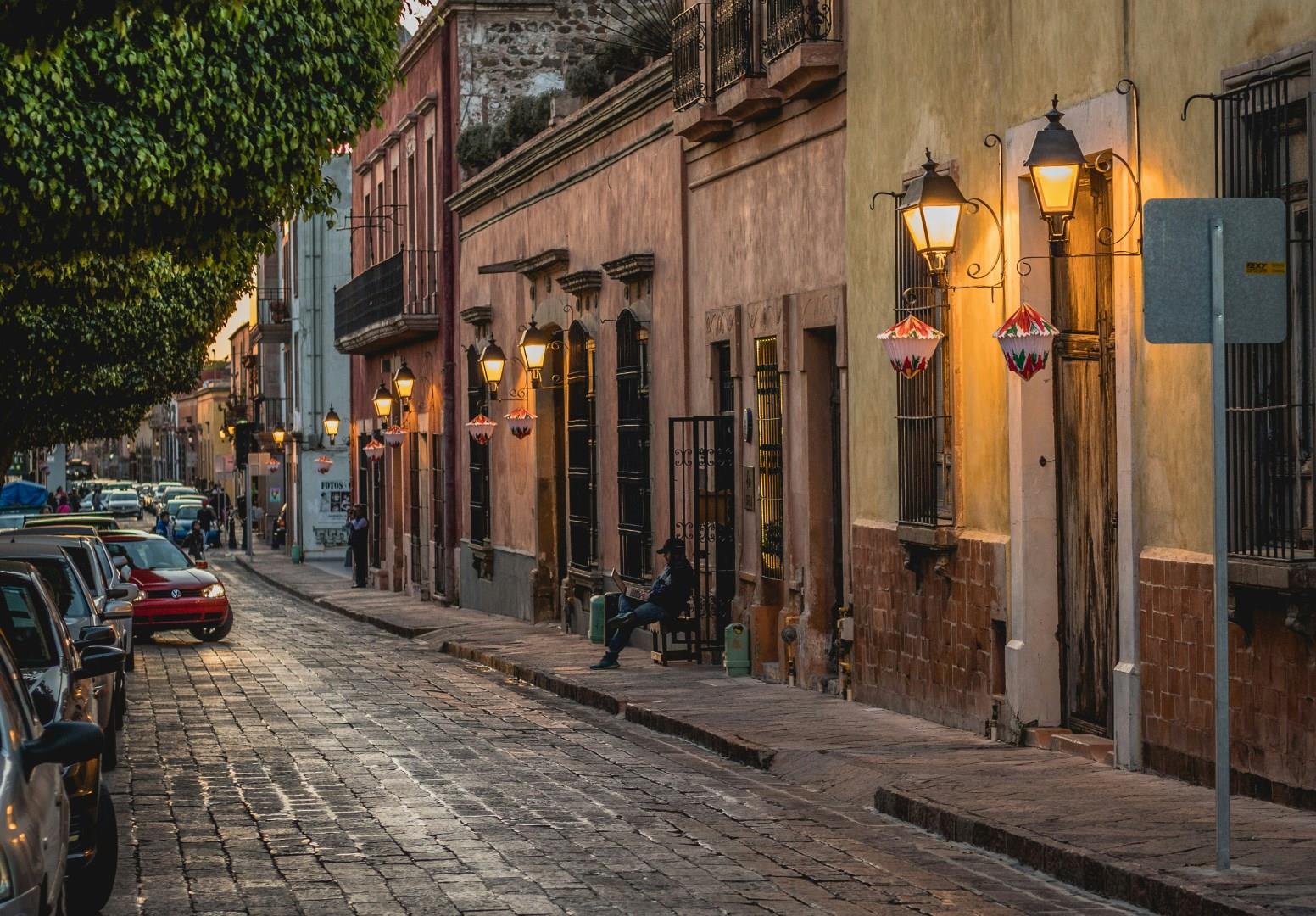
Querétaro
Querétaro, located in the heart of central Mexico, is a city where centuries of history are still visible in daily life. Its historic center, a UNESCO World Heritage Site, features narrow streets, elegant plazas, and baroque churches that reflect its colonial past. One of the city’s most iconic landmarks is the massive aqueduct, built in the 18th century with 74 stone arches stretching nearly a mile across the landscape.

Belgrade
A historic capital in the heart of the Balkans, Belgrade will absolutely charm you with its picturesque cafés, striking religious monuments, riveting museums, and thriving nightlife.
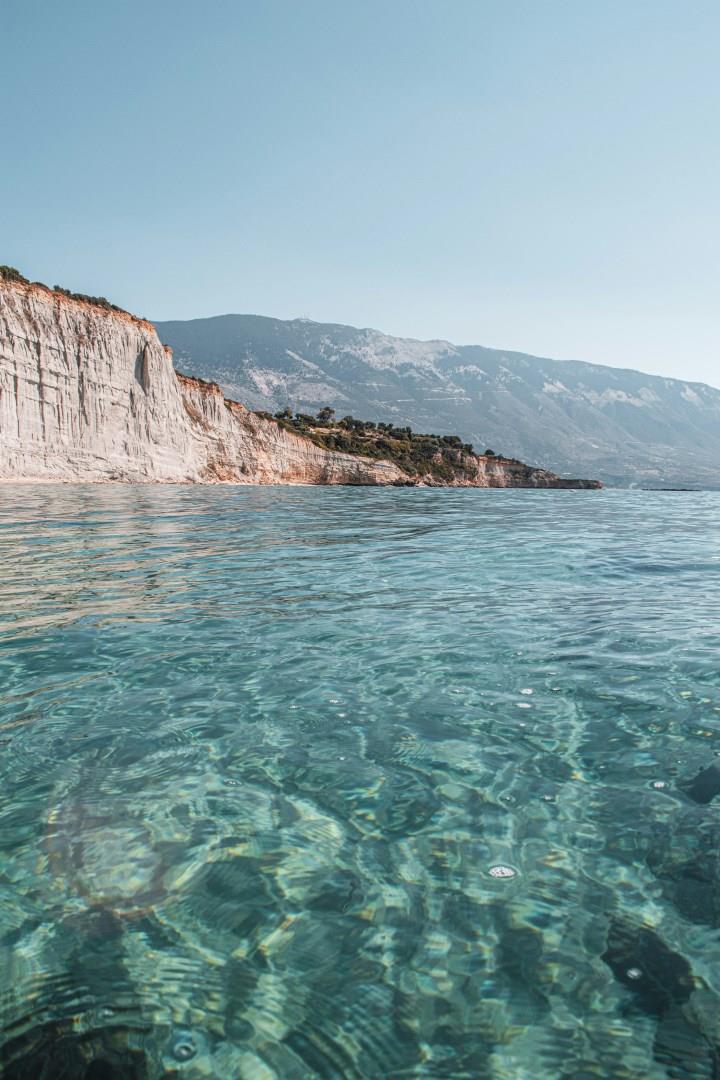
Cephalonia
Greece’s island of Cephalonia, nestled in the Ionian Sea, invites travelers with a relaxed pace and a landscape shaped by myth, history, and nature. Larger than its neighboring islands but far less crowded, Cephalonia offers visitors a glimpse into traditional Greek life amid dramatic cliffs, lush pine forests, and charming harborside villages.
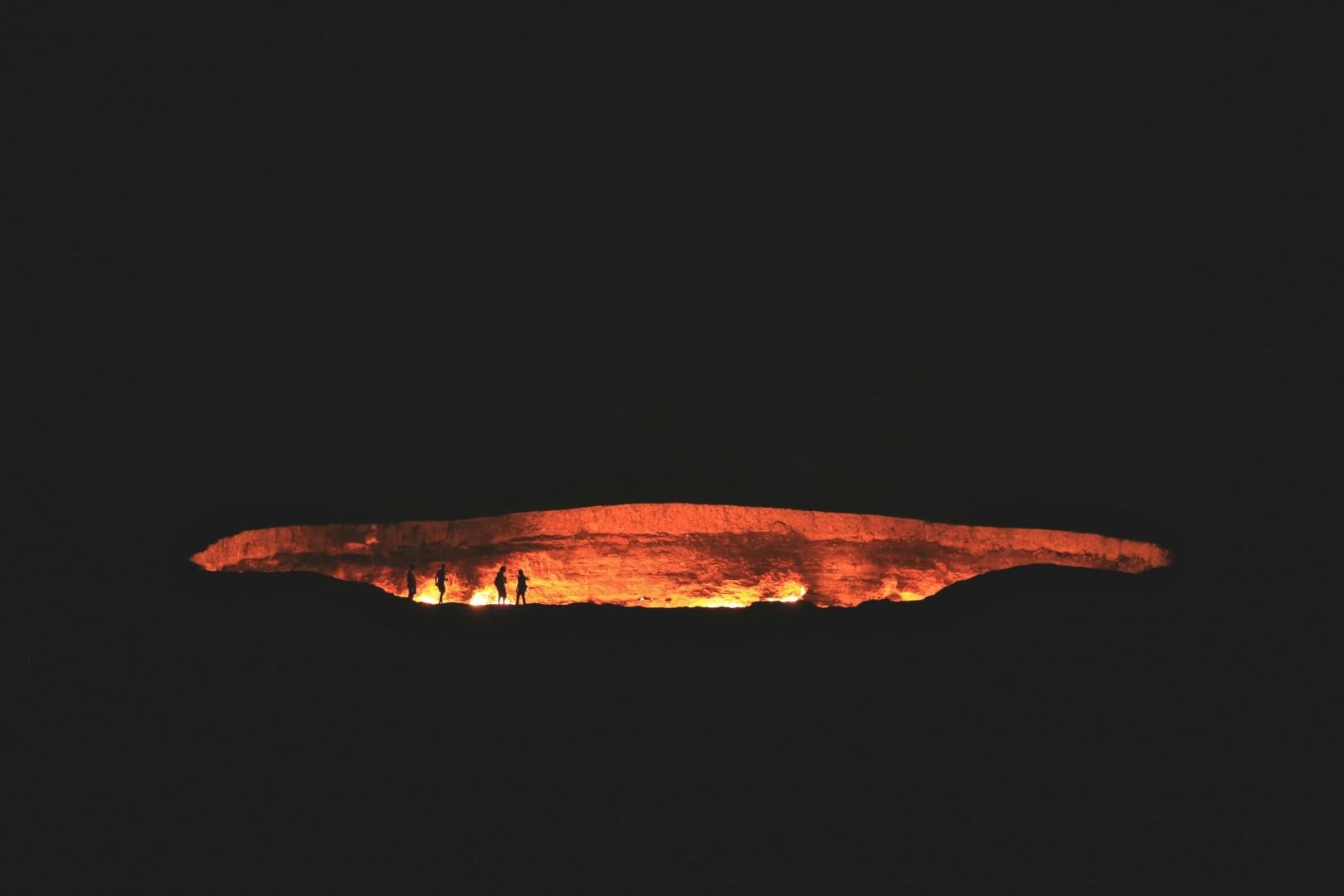
Darvaza
The Darvaza Gas Crater, famously nicknamed the “Door to Hell,” is one of Turkmenistan’s most extraordinary landmarks. Located deep in the Karakum Desert, this fiery pit has been burning continuously since the early 1970s, when Soviet engineers reportedly set fire to a collapsed natural gas field to prevent the spread of methane.
