
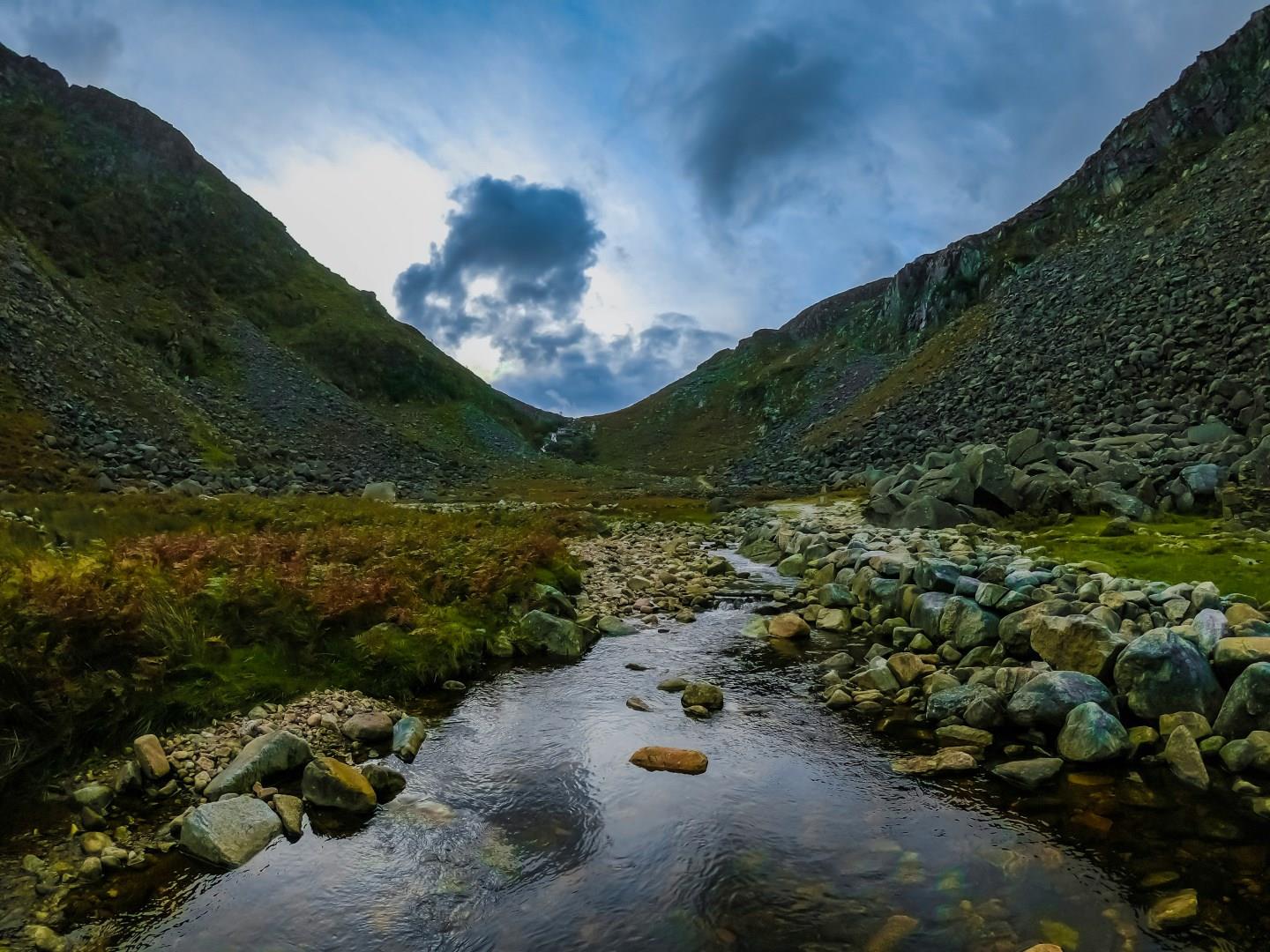
Glendalough
Glendalough, located in County Wicklow, is one of Ireland’s most historically significant and visually striking valleys. It’s best known for its early medieval monastic site, founded by St. Kevin in the 6th century. The round tower, cathedral ruins, and stone churches that remain today are surrounded by forests, lakes, and mountain trails, creating a setting that feels both ancient and untouched.

Krk
Krk, the largest island in the Adriatic Sea, offers a captivating blend of historical charm and natural beauty. The city of Krk, located on the island's southwestern coast, is renowned for its rich cultural heritage and stunning coastal scenery. The city's historical heart is its Old Town, where ancient walls and charming narrow streets lead visitors through centuries of history.

Val Gardena
Val Gardena, nestled in the heart of the Italian Dolomites, is a paradise for outdoor enthusiasts and a hidden gem for travelers seeking alpine beauty. This stunning valley is part of the UNESCO World Heritage-listed Dolomites, renowned for its dramatic mountain landscapes, lush meadows, and charming villages. Whether you're visiting in the summer for hiking and mountain biking or in the winter for world-class skiing, Val Gardena offers year-round adventure paired with breathtaking scenery.
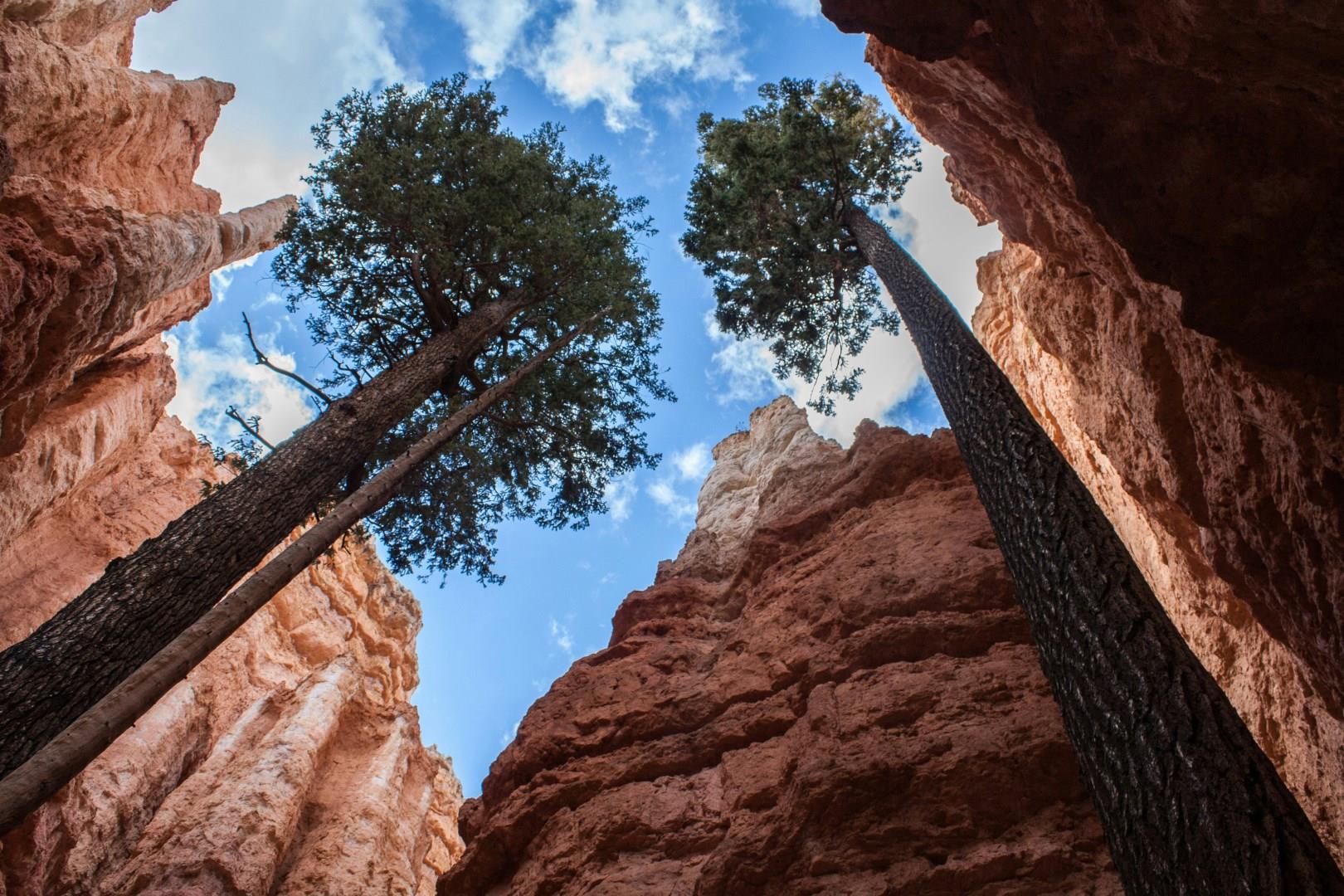
Bryce Canyon
Bryce Canyon, tucked into the high plateaus of southern Utah, offers one of the most unusual landscapes in the American Southwest. It’s not actually a canyon but a series of natural amphitheaters carved into the edge of the Paunsaugunt Plateau. What makes Bryce unique is its dense collection of hoodoos which are tall, thin spires of rock formed over millions of years by frost-wedging and erosion.

Hvar
Hvar is a resort town and island off the coast of Croatia. A tourist destination with spectacular views of the Adriatic Sea, Hvar is popular for its beaches and is a favorite port for yacht cruises.
