

Marquesas Islands
Farther from a continental landfall than any other group of islands on earth, the twelve Marquesas jut out of the open Pacific just south of the equator, shrouded in a constant cloud cover.
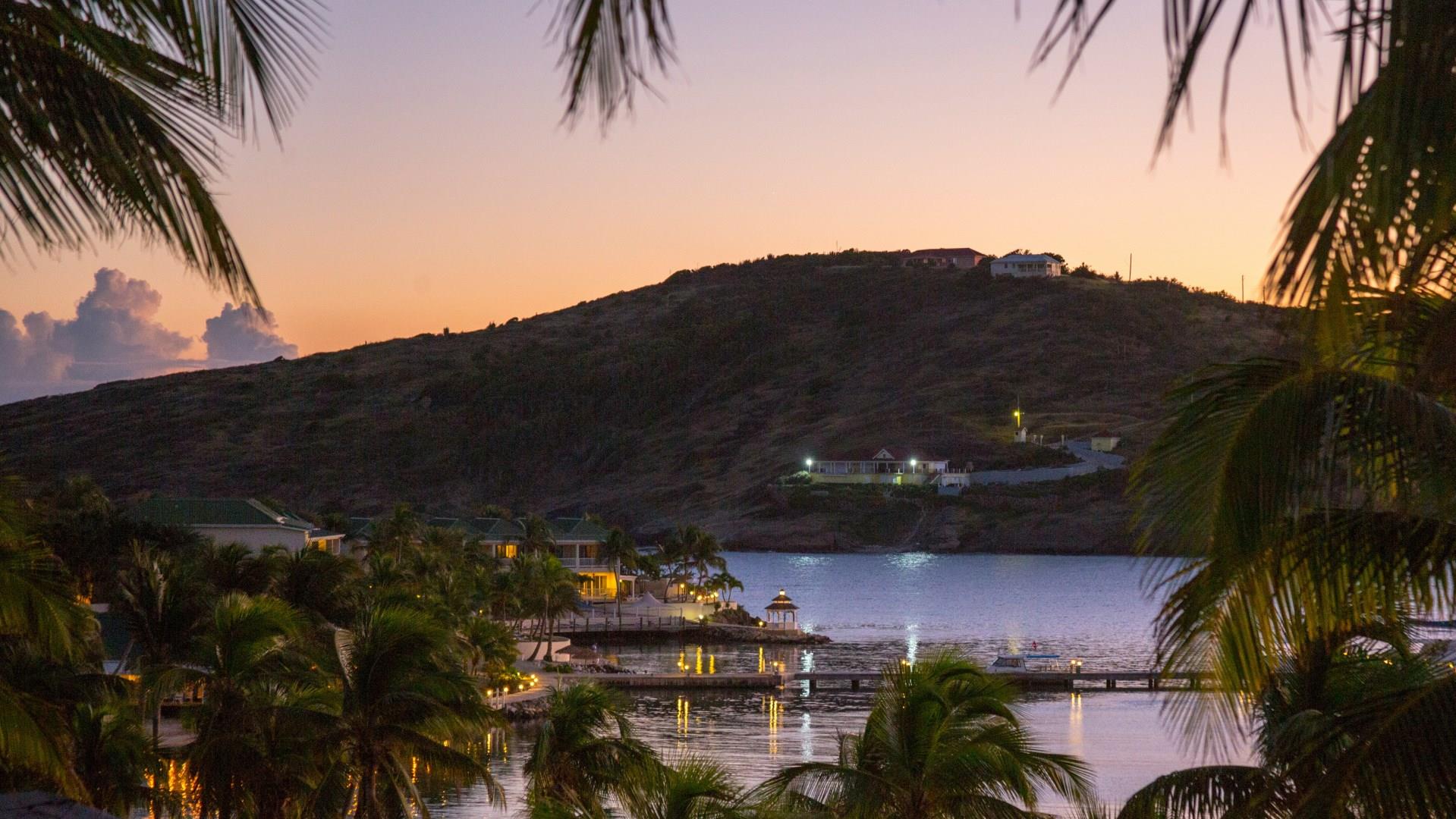
Mamora Bay
Mamora Bay, tucked into Antigua’s southern coastline, is a serene crescent-shaped bay framed by gentle hills and swaying palms. Known for its calm, sheltered waters, the bay offers a tranquil setting that contrasts with the island’s more rugged Atlantic side.

Ephesus
Once the commercial center of the ancient world, Ephesus is an archaeological splendor and an essential stop on any visit to Turkey. The city, whose wealth and patronage support its splendid architectural program, was dedicated to the goddess Artemis.
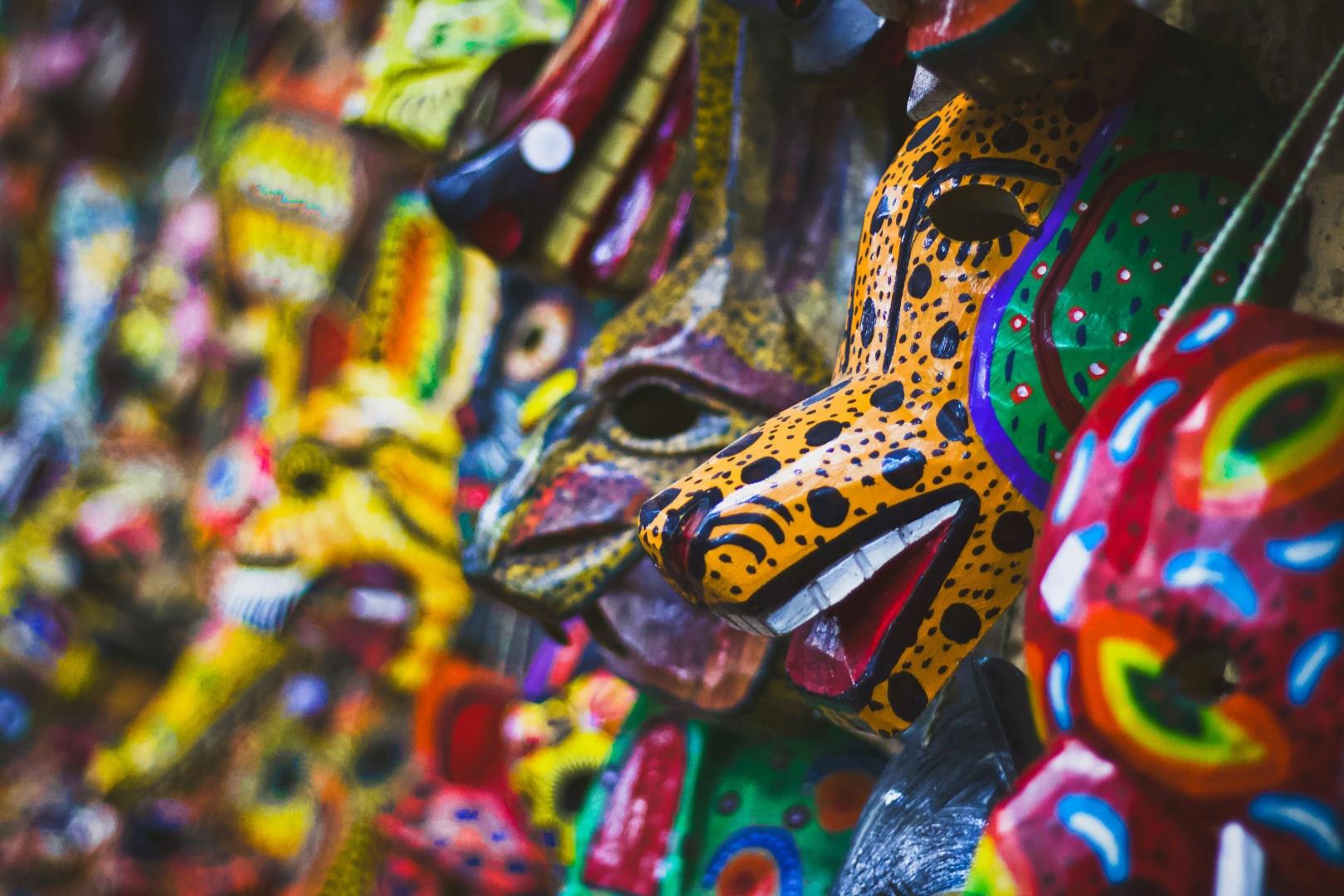
Antigua
Antigua is a city shaped by centuries of artistry, tradition, and natural forces. Set in a highland valley and surrounded by volcanoes, its streets are lined with colorful buildings, hidden courtyards, and open-air plazas. The Santa Catalina Arch is one of Antigua’s most recognizable features, originally built as a passage between two sections of a convent. Today, it frames a dramatic view of Volcán de Agua and is a popular gathering spot for both locals and visitors.
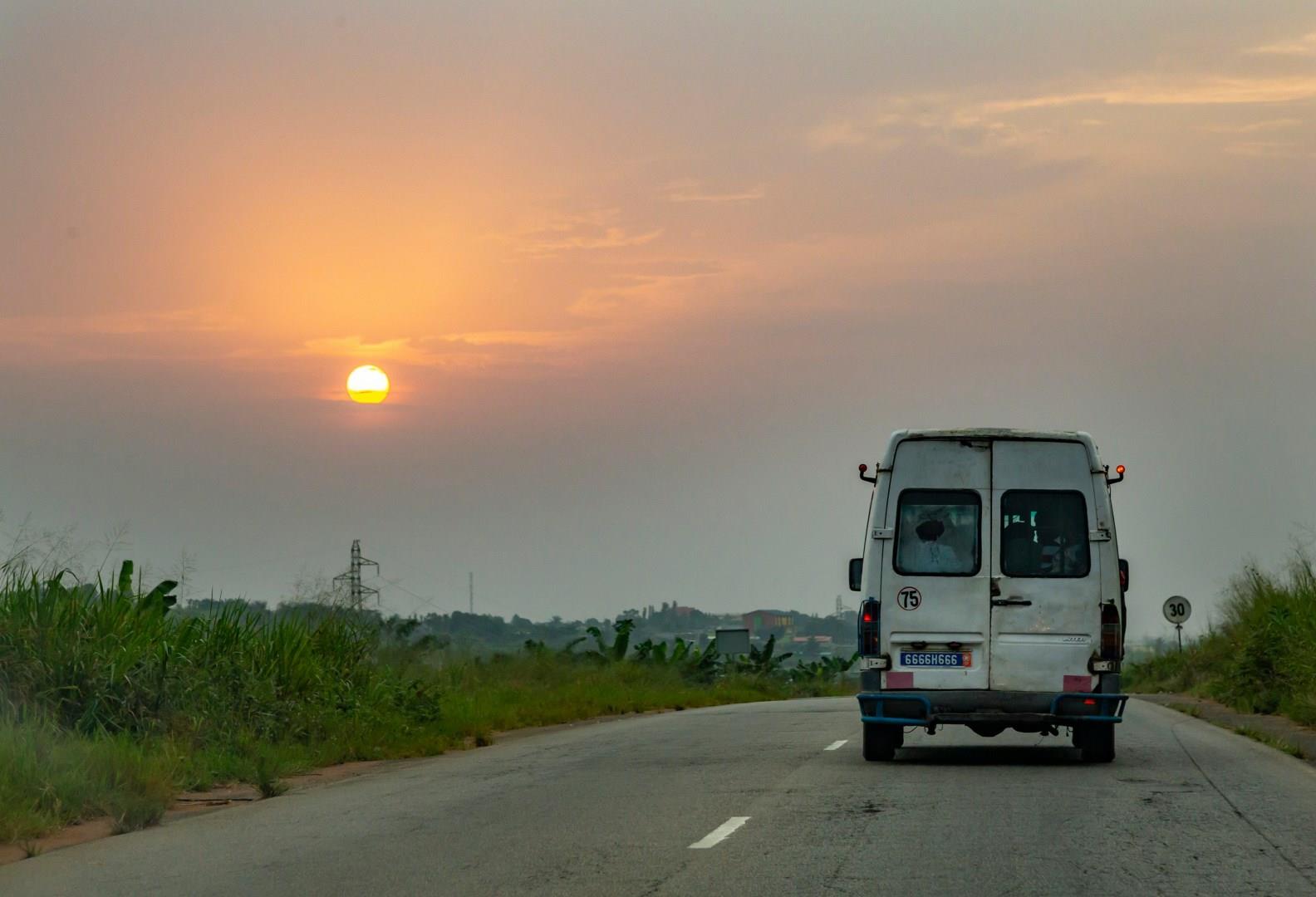
Côte d’Ivoire
Ivory Coast, or Côte d’Ivoire, is a West African nation celebrated for its cultural diversity, vibrant cities, and scenic landscapes.
