

Muscat
Travelers on the Arabian Sea often find themselves in Muscat, on the Gulf of Oman. This port capital is situated between ocean and mountains, and boasts lovely beaches, great diving sites (watch for turtles!), 16th-century forts, and the impressive Sultan Qaboos Grand Mosque, which can hold 20,000 people.
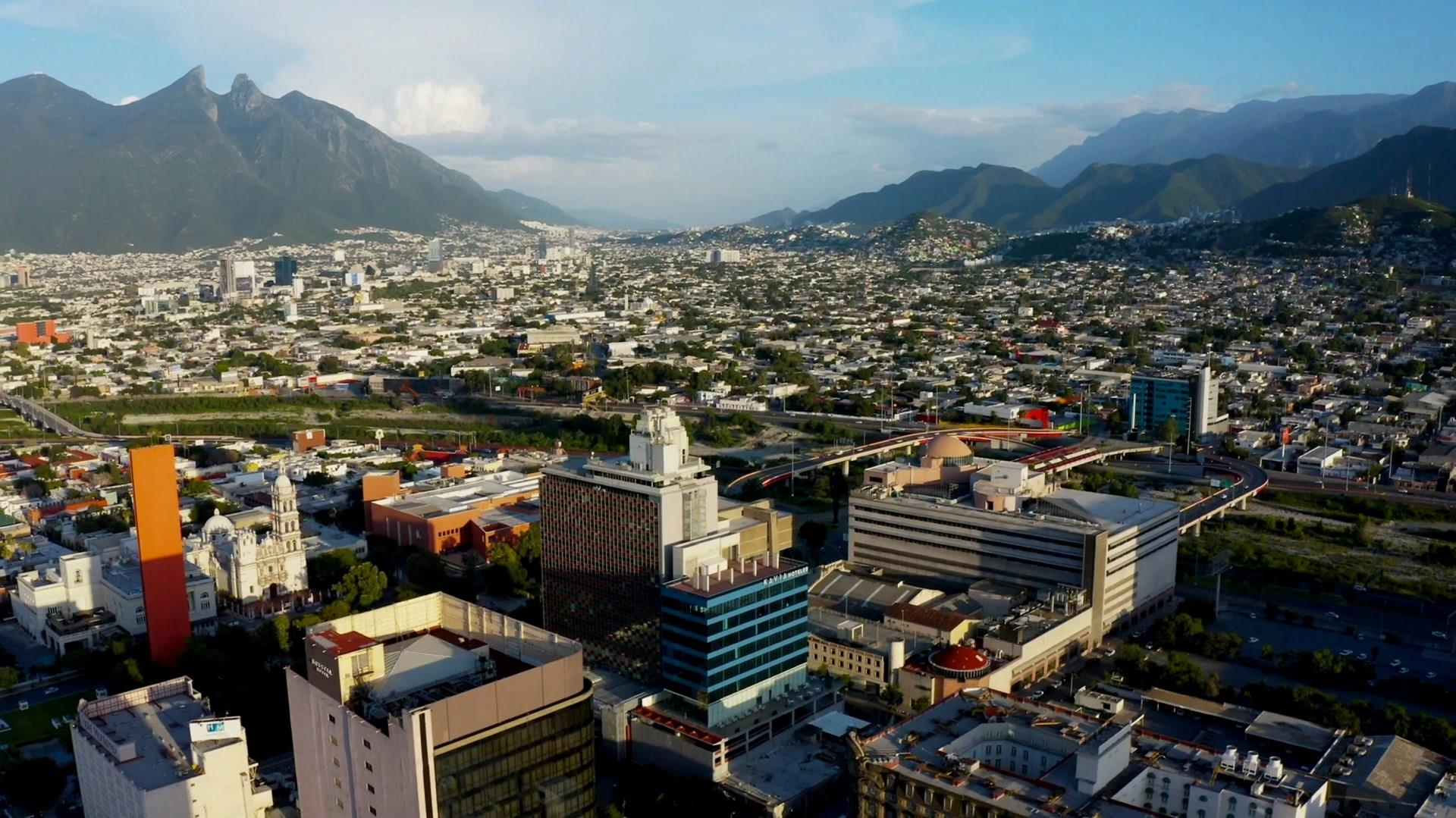
Monterrey
Monterrey, the capital of Nuevo León, stands at the foot of the Sierra Madre Oriental and has long been recognized as one of Mexico’s most industrial and innovative cities. The Macroplaza is one of the largest public squares in Latin America and links historic buildings like the 18th-century Metropolitan Cathedral with newer sites like the Museo de Historia Mexicana and the Faro del Comercio, a towering orange structure that beams a green laser across the sky each night.
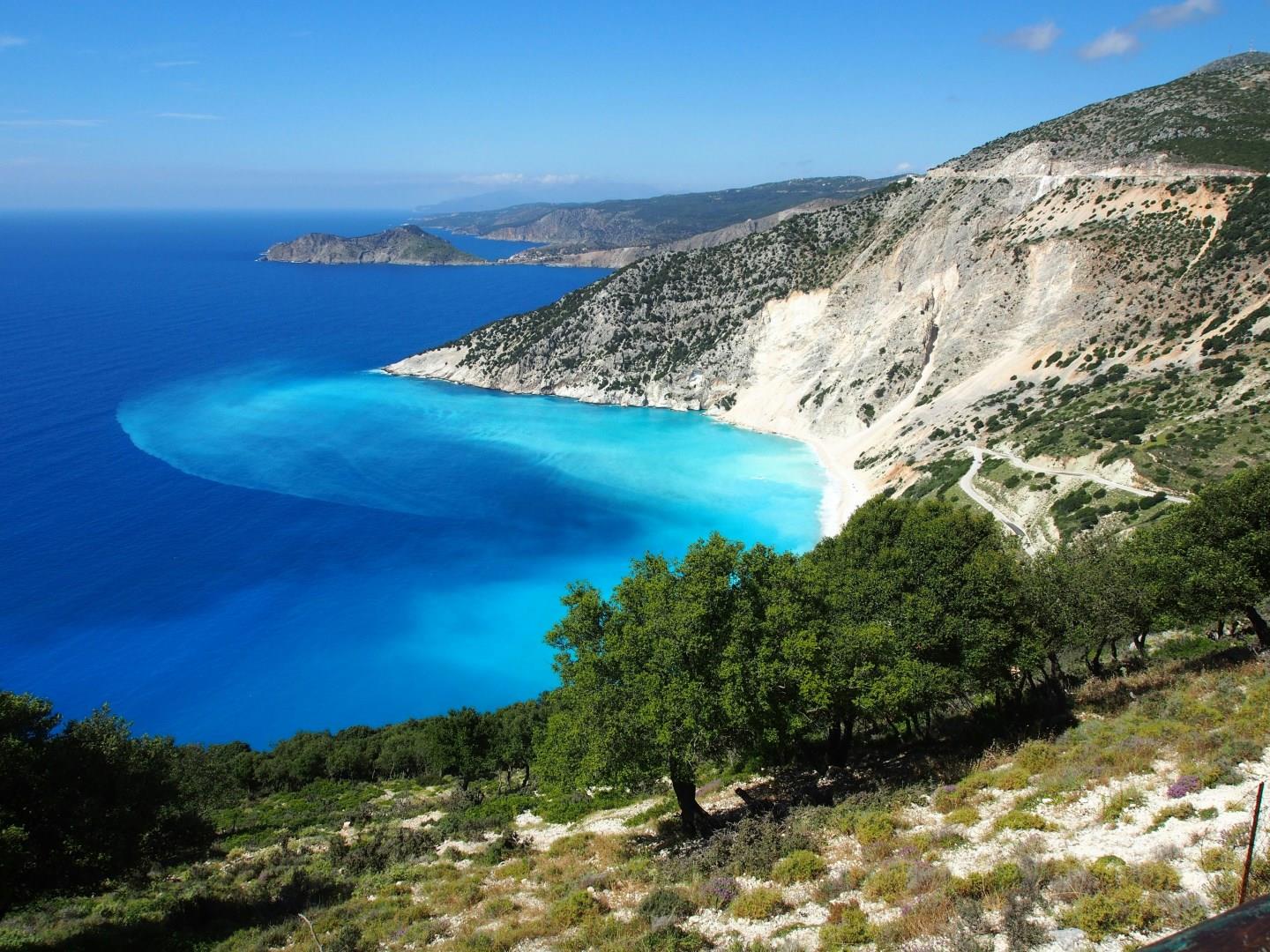
Argostoli
Argostoli sits on the west coast of Kefalonia, Greece’s largest Ionian Island, where a natural harbor meets the Koutavos Lagoon and a waterfront lined with cafés, tavernas, and shops. As the island’s capital, Argostoli blends everyday island life with moments of surprise, from sea turtles surfacing by fishing boats at dawn to historic sites hidden among palm trees and pedestrian streets.

El Salvador
El Salvador, the smallest country in Central America, carries a big presence with its blend of history, culture, and dramatic landscapes. Known as the “Land of Volcanoes,” it has more than twenty within its borders, some of which remain active and shape the country’s terrain.
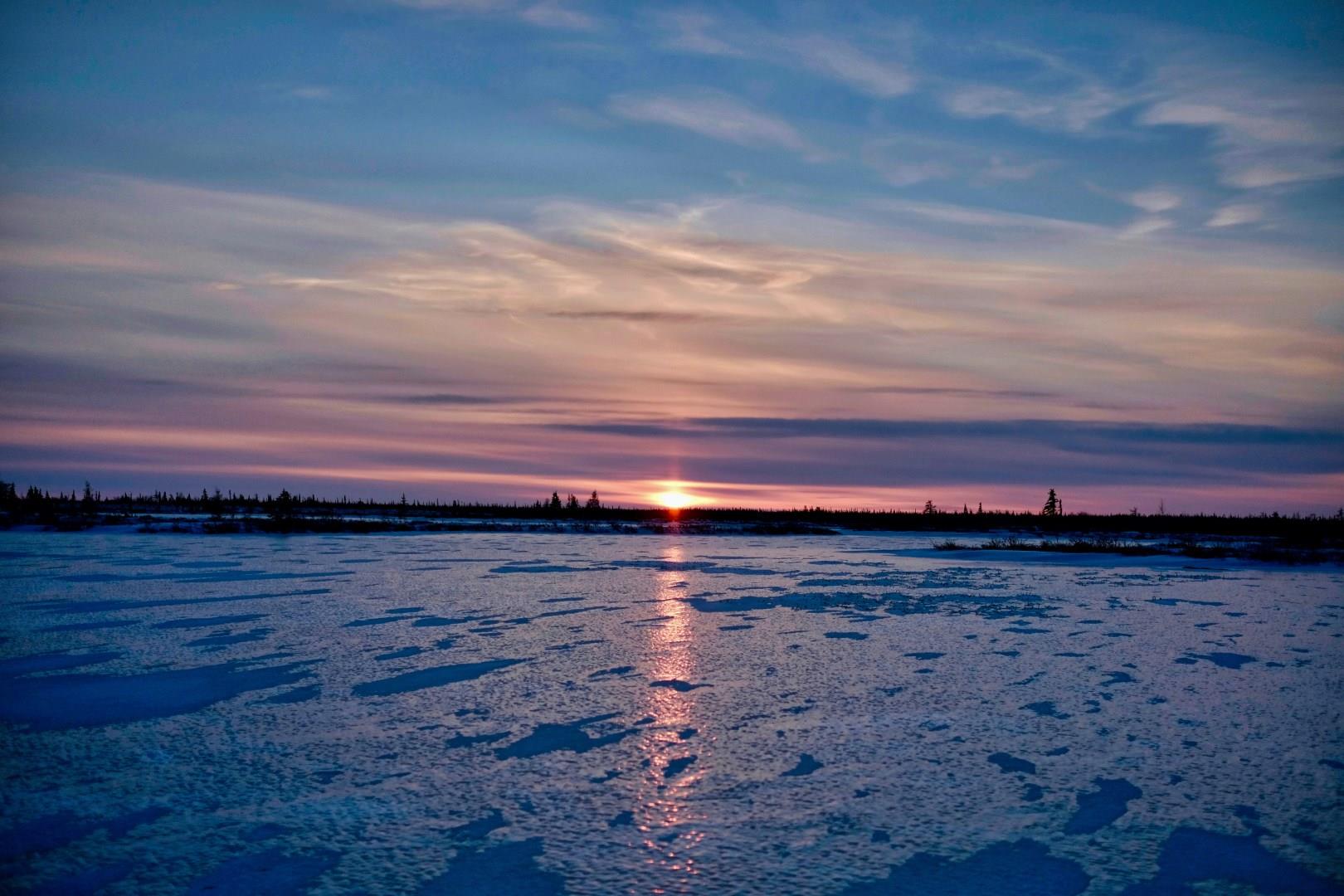
Churchill
Nestled along the shores of Hudson Bay in northern Manitoba, Churchill is a unique and captivating destination known for its remarkable wildlife and rugged beauty. Often referred to as the "Polar Bear Capital of the World," Churchill offers an unparalleled opportunity to witness these majestic creatures in their natural habitat. Each year, visitors flock to the town from October to November for the polar bear viewing season, when the bears migrate along the coast waiting for the bay to freeze.
