

Patmos
Patmos, a gem in the Aegean Sea, is steeped in history and spirituality, offering a serene escape for travelers seeking both tranquility and rich cultural experiences. Known as the "Island of the Apocalypse," Patmos is famously where Saint John the Theologian wrote the Book of Revelation. Visitors can explore the sacred Cave of the Apocalypse, a UNESCO World Heritage Site, where the saint is said to have received his visions.

Byron Bay
Byron Bay lies on the far north coast of New South Wales, Australia, where wide beaches meet the deep blue Pacific and the point of land known as Cape Byron marks the easternmost tip of the mainland. Standing tall above the coastline, the Cape Byron Lighthouse has guided ships since 1901 and now greets walkers and sightseers who take the scenic cliff-top path for views stretching toward whales during their migration season.

Bacalar
Bacalar sits on the tranquil shores of Laguna de Bacalar in southern Quintana Roo, Mexico, and has been a meeting place for people and cultures for centuries. Its name comes from the ancient Maya phrase Sian Ka’an Bakhalal, meaning “where the sky is born,” a reminder of how deeply this place figures in regional history and identity.

Niigata
Niigata sits along the Sea of Japan on Honshu’s west coast, a place where long winters and bright summers shape its traditions and flavors. For centuries this region has produced some of Japan’s finest rice, especially the Uonuma Koshihikari variety known for its rich taste and texture. That quality rice helps make Niigata sake famous across the country, and visitors can sample more than 90 local brews at tasting spots such as Ponshukan inside Niigata Station.
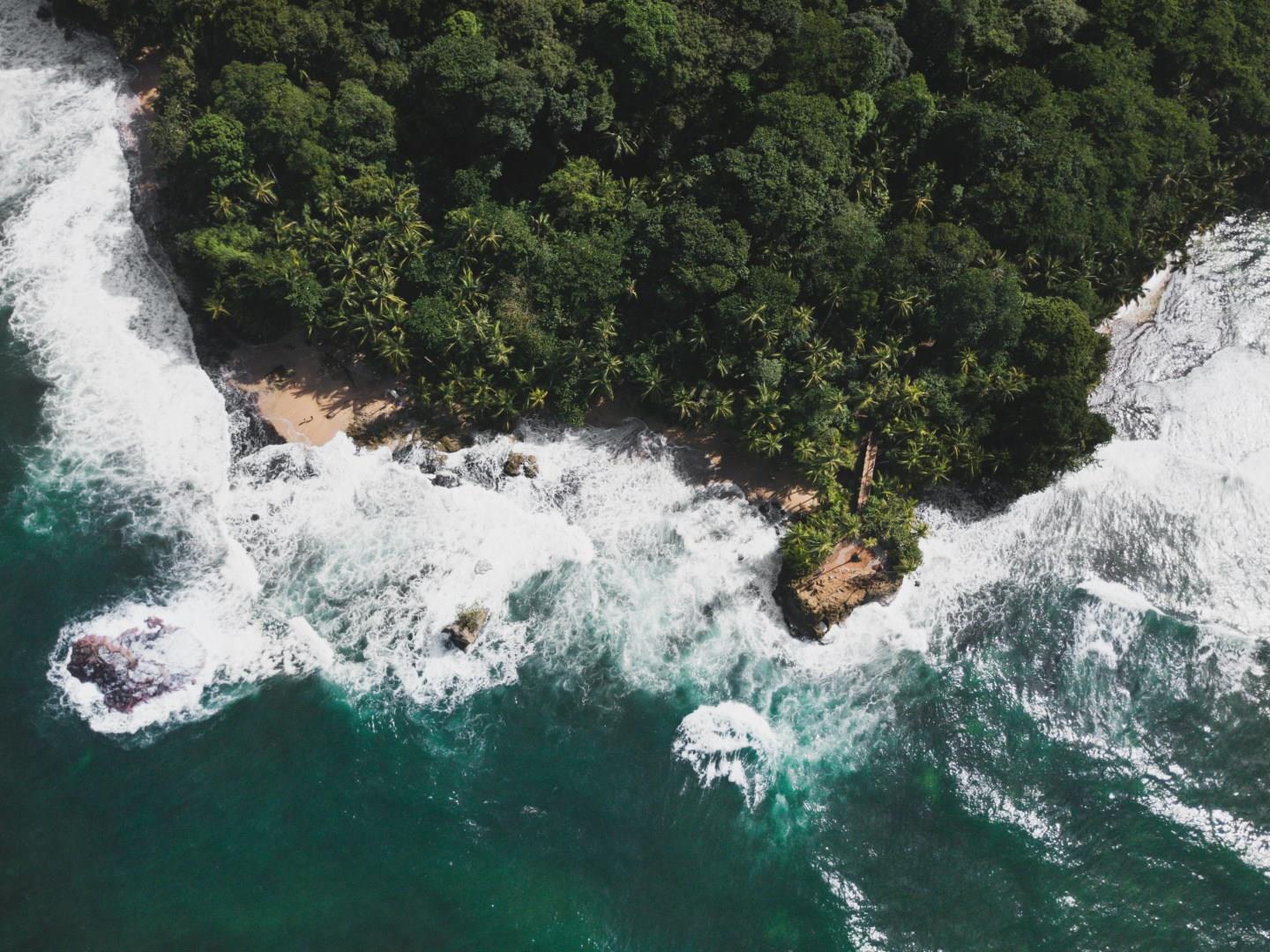
Limon
Limón, located on Costa Rica’s Caribbean coast, is a city shaped by Afro-Caribbean heritage, maritime trade, and lush tropical surroundings. Founded in the late 19th century as a port for exporting bananas and coffee, Limón developed a distinct cultural identity influenced by Jamaican, West African, and Central American traditions.
