
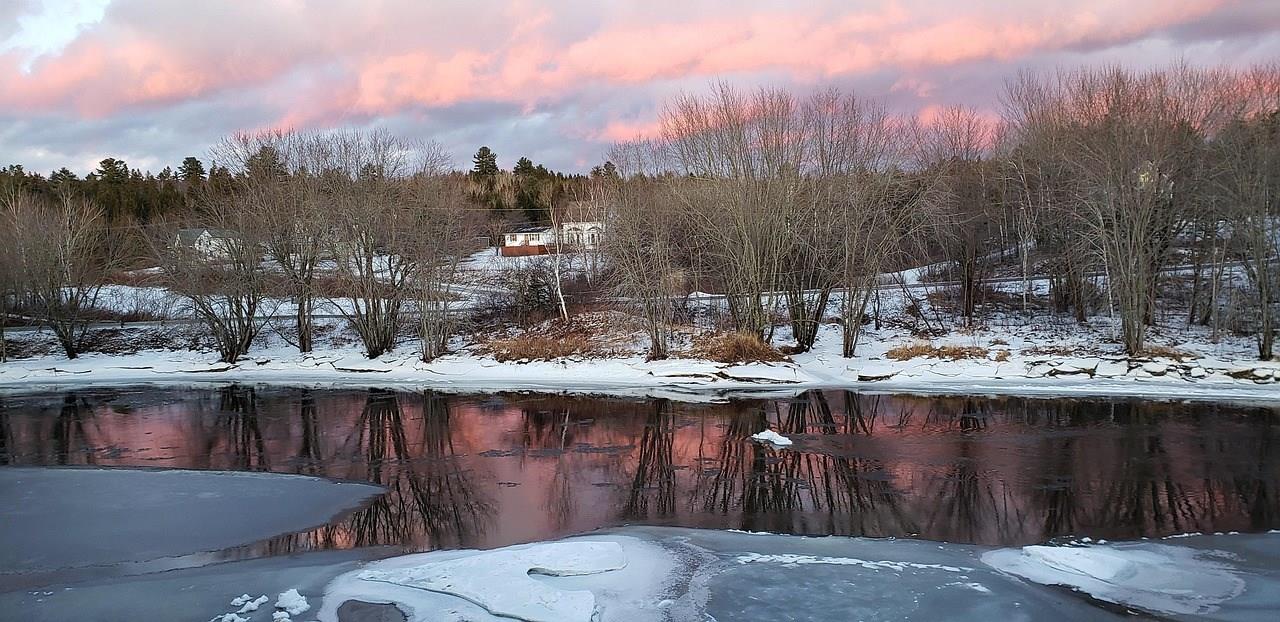
New Brunswick
With its breathtaking landscapes, rich history, and friendly communities, New Brunswick is a province that invites exploration and discovery. Whether marveling at natural wonders, immersing oneself in the culture, or savoring local flavors, New Brunswick offers something for every traveler to enjoy

El Salvador
El Salvador, the smallest country in Central America, carries a big presence with its blend of history, culture, and dramatic landscapes. Known as the “Land of Volcanoes,” it has more than twenty within its borders, some of which remain active and shape the country’s terrain.
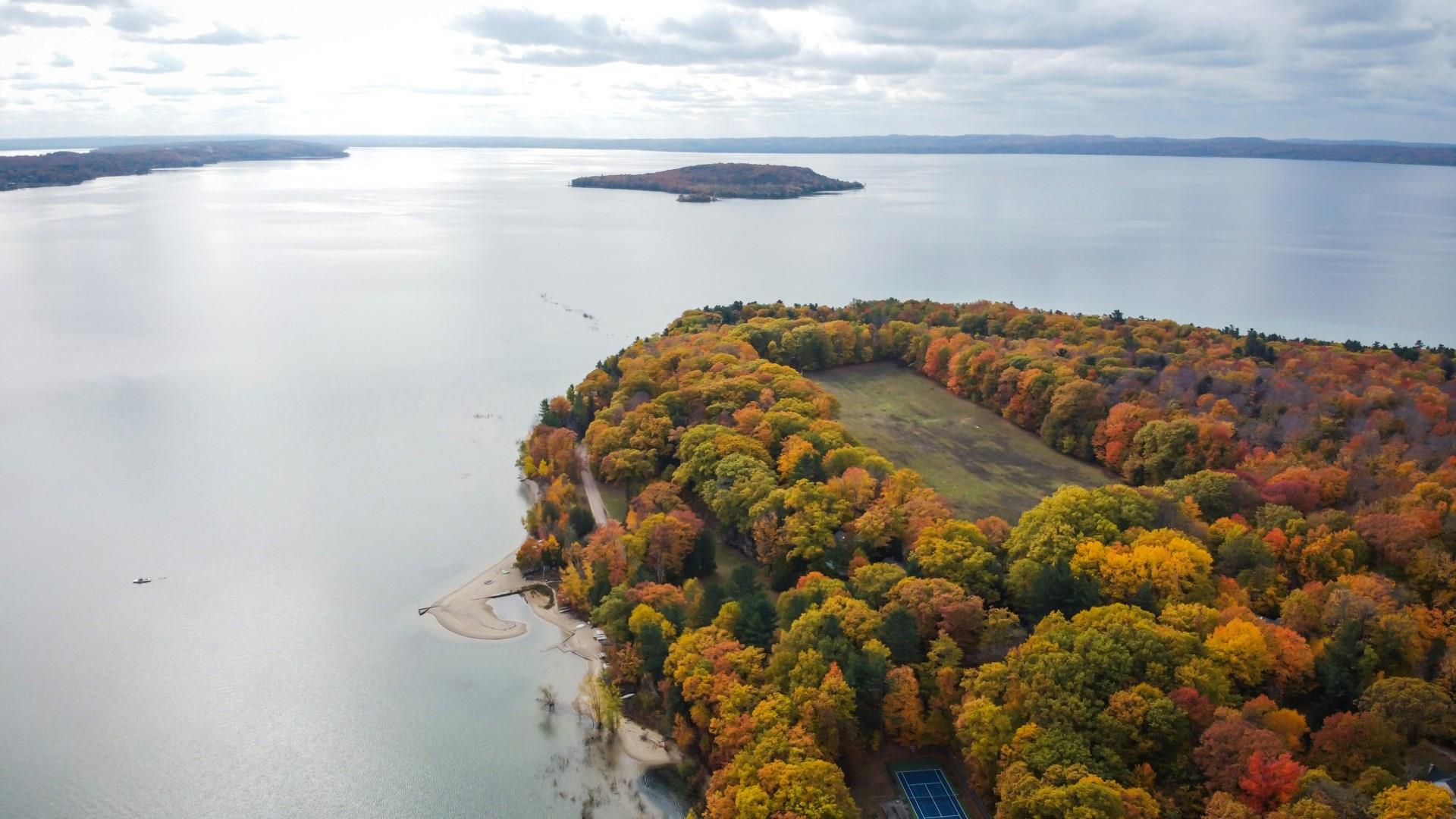
Traverse City
Traverse City offers a delightful blend of natural beauty and vibrant culture. Nestled on the shores of Lake Michigan's Grand Traverse Bay, this charming city is renowned for its stunning waterfront views and picturesque landscapes. The region's pristine beaches, such as Clinch Park, provide an ideal setting for relaxing under the sun or engaging in water sports.

Keystone
Nestled within the Colorado Rockies, Keystone is a popular ski resort destination west of Denver. The perfect spot for a variety of outdoor adventures, Keystone offers ample opportunity to ski, snowboard, hike, or golf.
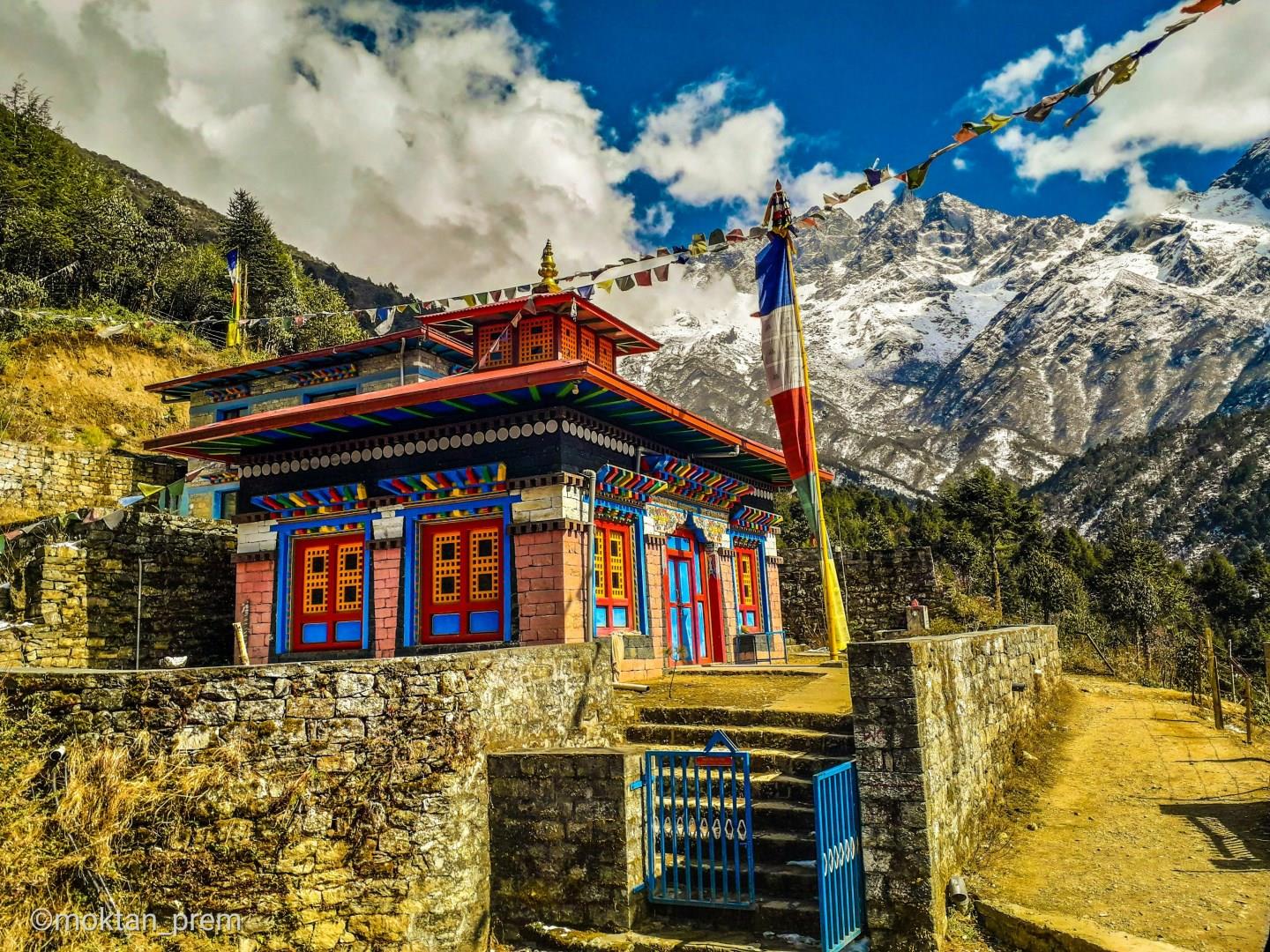
Lukla
Lukla, a mountain town perched at 2,860 meters in eastern Nepal, is best known as the gateway to the Everest region. The town is home to Tenzing-Hillary Airport, one of the world’s most thrilling landing strips, named after the legendary climbers who first reached Everest’s summit in 1953. The short, sloped runway hugs the mountain, offering a once-in-a-lifetime arrival that travelers remember long after their journey ends.
