

Cuba
Cuba is an island nation where history, culture, and natural beauty intertwine in captivating ways. Known for its Spanish colonial architecture, vibrant music, and revolutionary legacy, the country offers a fascinating window into both the Caribbean and Latin American worlds. Havana, with its colorful facades, classic American cars, and lively plazas, embodies Cuba’s charm and resilience, while towns like Trinidad and Cienfuegos showcase UNESCO-listed heritage and a slower pace of life.
Brunei
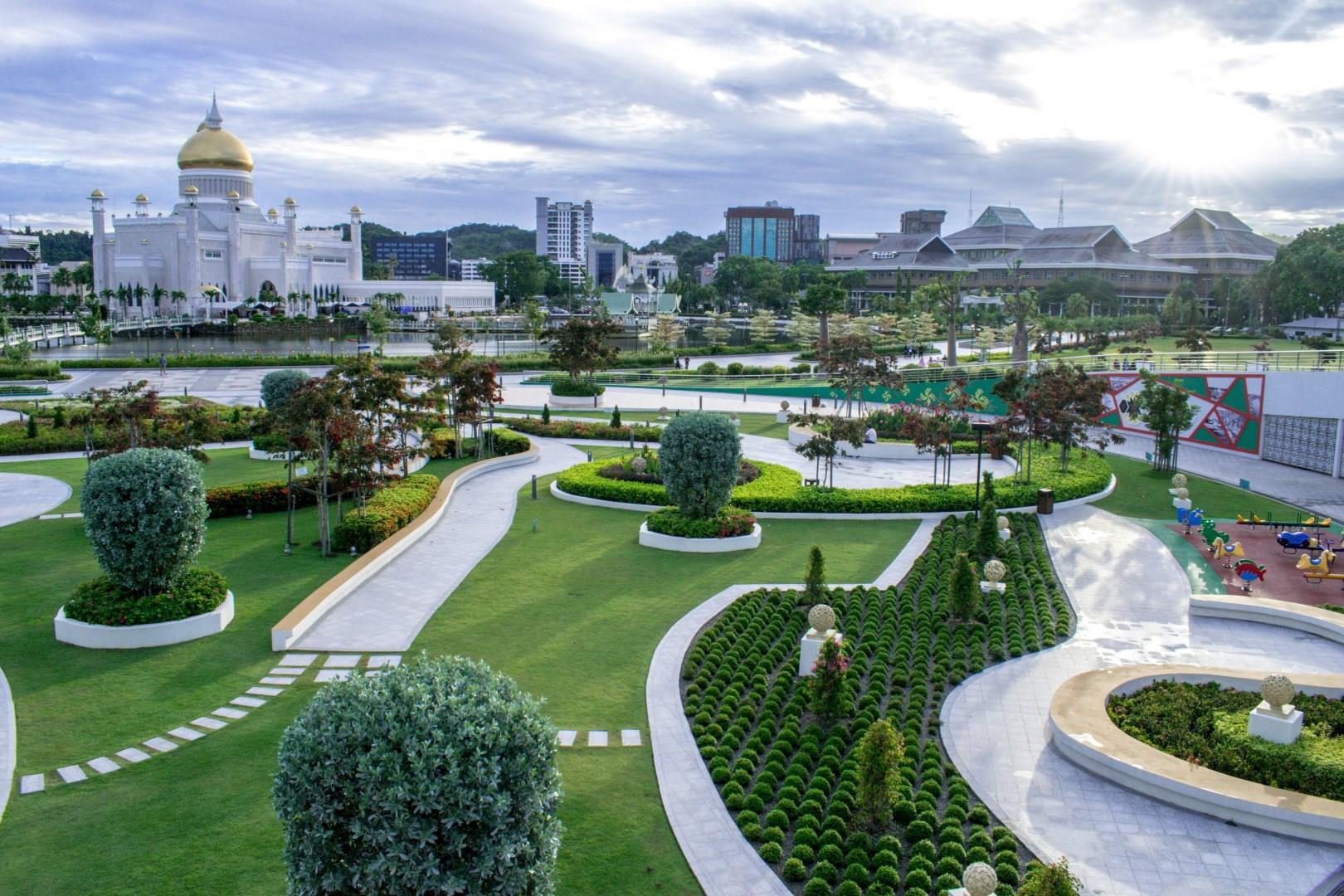
Brunei is a small country on the island of Borneo known for its wealth, tropical rainforests, and rich cultural heritage. The country’s landscapes are a mix of dense jungles, rivers, and coastal mangroves, offering a peaceful environment where nature remains largely intact.
Sydney, Nova Scotia
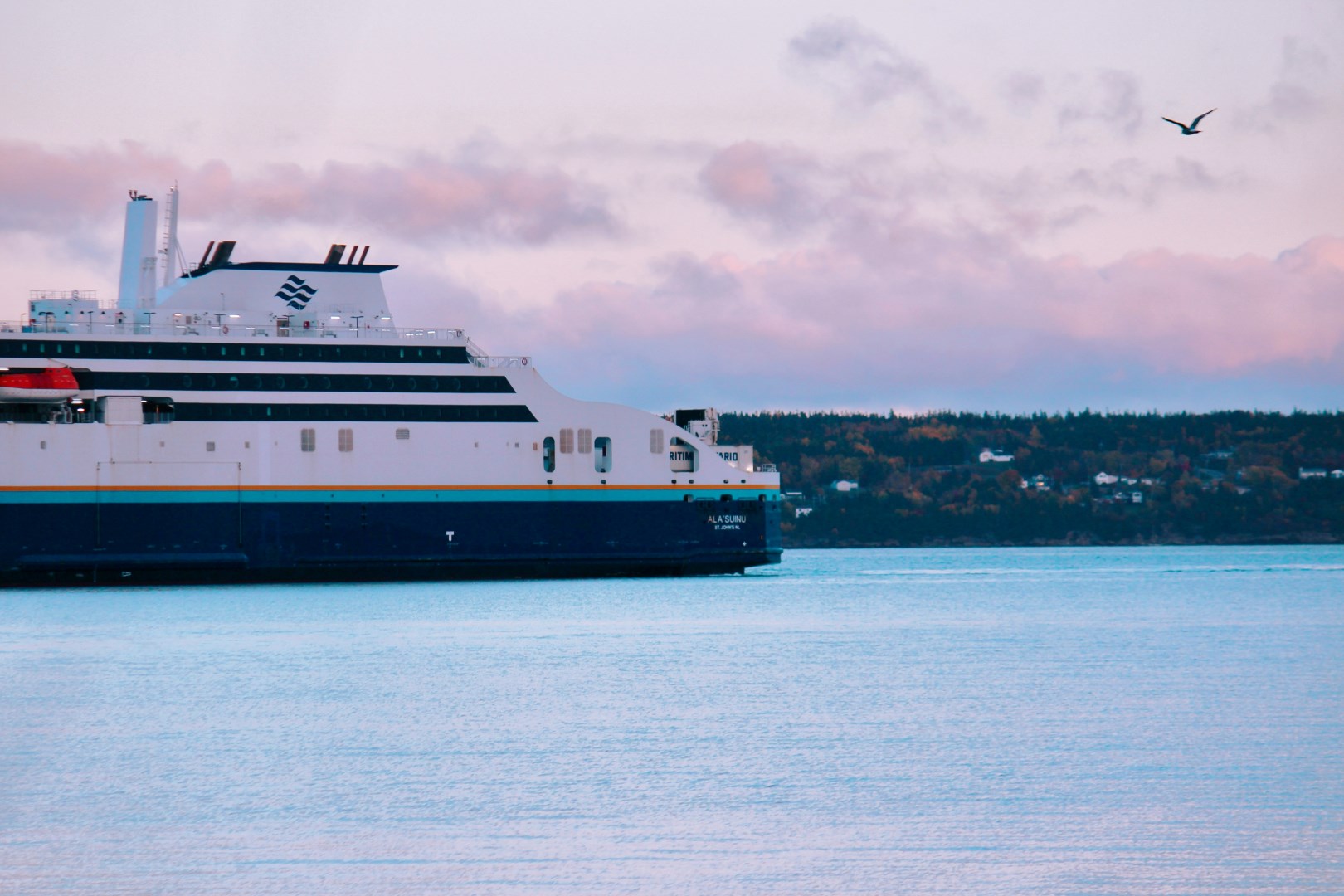
Situated on the eastern edge of Cape Breton Island, Sydney in Nova Scotia welcomes visitors with a strong connection to the sea and a deep-rooted cultural identity. The city’s waterfront is a natural gathering place, where boardwalks stretch along the harbor and offer views of fishing boats, cruise ships, and open water. One of its most recognizable landmarks is the world’s largest fiddle, a towering tribute to the region’s musical traditions.
Gotland
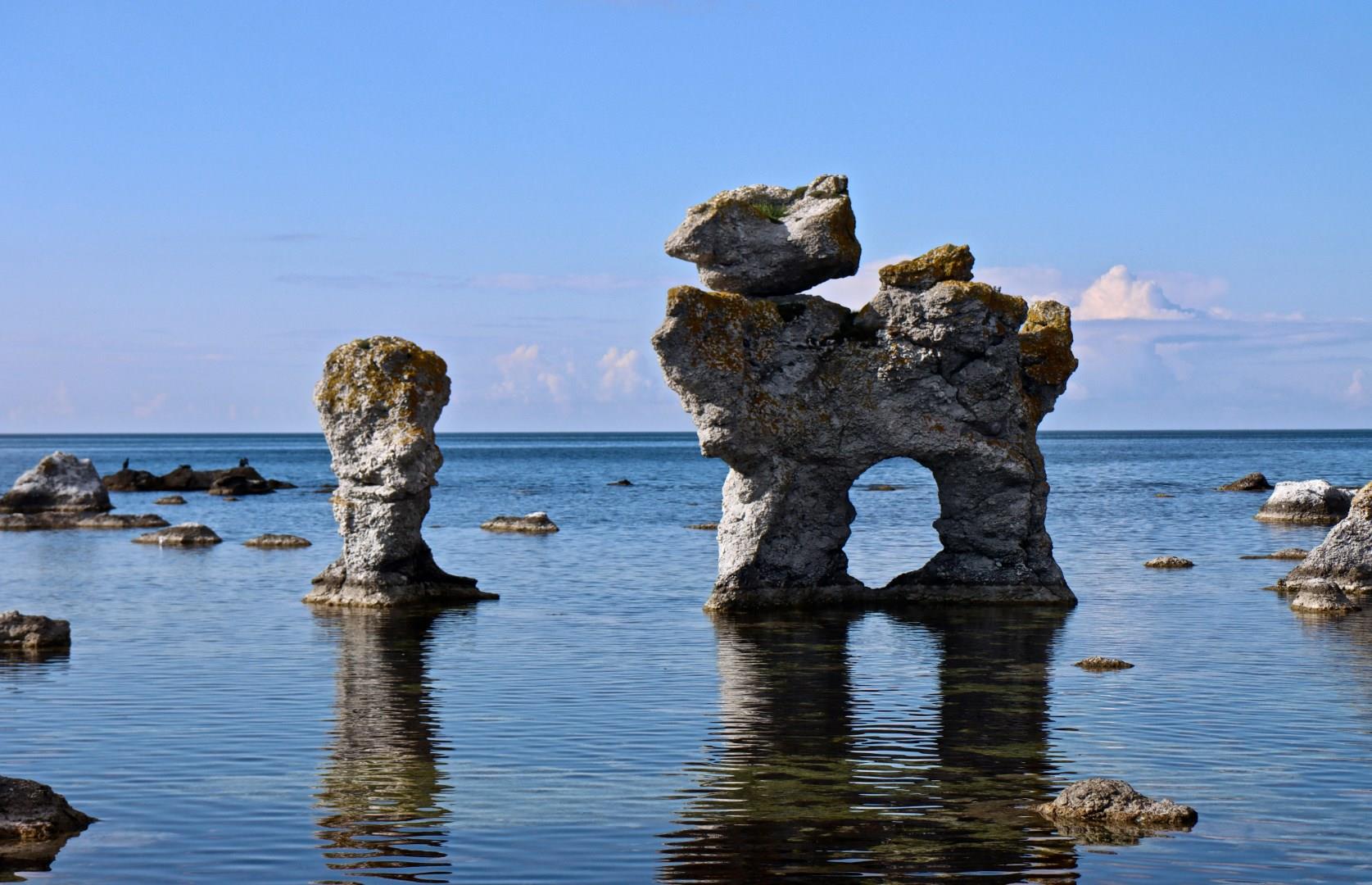
Gotland, Sweden’s largest island, sits in the Baltic Sea and feels like a world of its own. Its main town, Visby, is a UNESCO World Heritage site and one of the best-preserved medieval towns in Northern Europe. Surrounded by a 3.5-kilometer stone wall with original towers still intact, Visby once served as a key Hanseatic trading hub. Visitors can walk along cobbled streets lined with rose-covered cottages, explore Gothic church ruins, and climb up the city wall for views over the harbor.

Bimini Islands
The Bimini Islands, the westernmost point of the Bahamas, are a tiny chain of islands steeped in history, legend, and natural wonder. Bimini has long been celebrated as the “Gateway to the Bahamas,” blending fishing traditions, maritime lore, and a laid-back island culture.
