

Kunming
Kunming, the capital of China’s Yunnan Province, is often called the “City of Eternal Spring” for its mild climate and blooming flowers year-round. Perched on a plateau more than 6,000 feet above sea level, Kunming has long served as a crossroads of cultures and trade routes connecting China to Southeast Asia.
Imlil
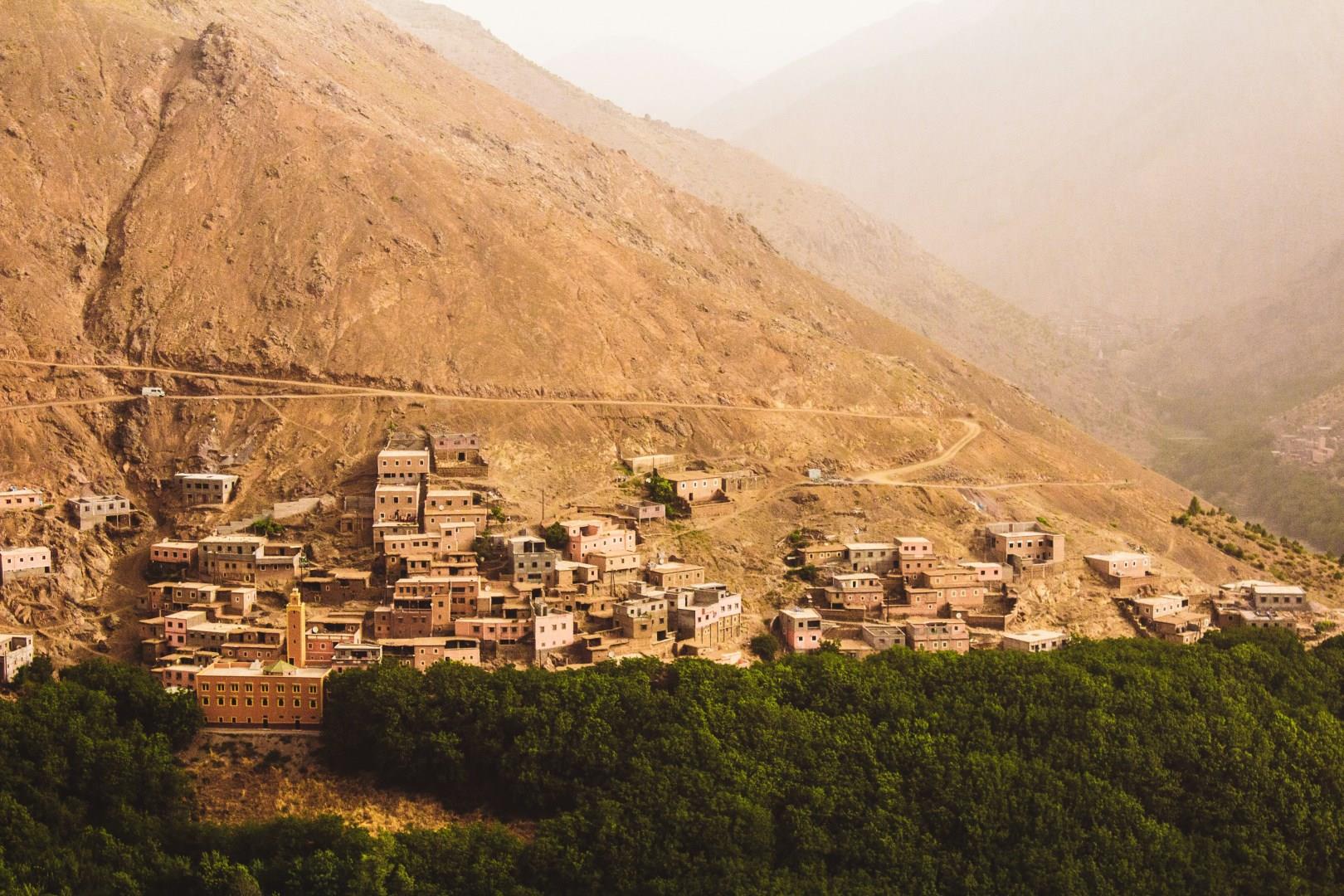
Imlil is a small Berber village nestled in the High Atlas Mountains of Morocco, serving as a gateway to the Toubkal National Park. Its history is tied to mountain agriculture and traditional life, with stone houses and terraced fields reflecting centuries of adaptation to the rugged terrain.
La Rioja
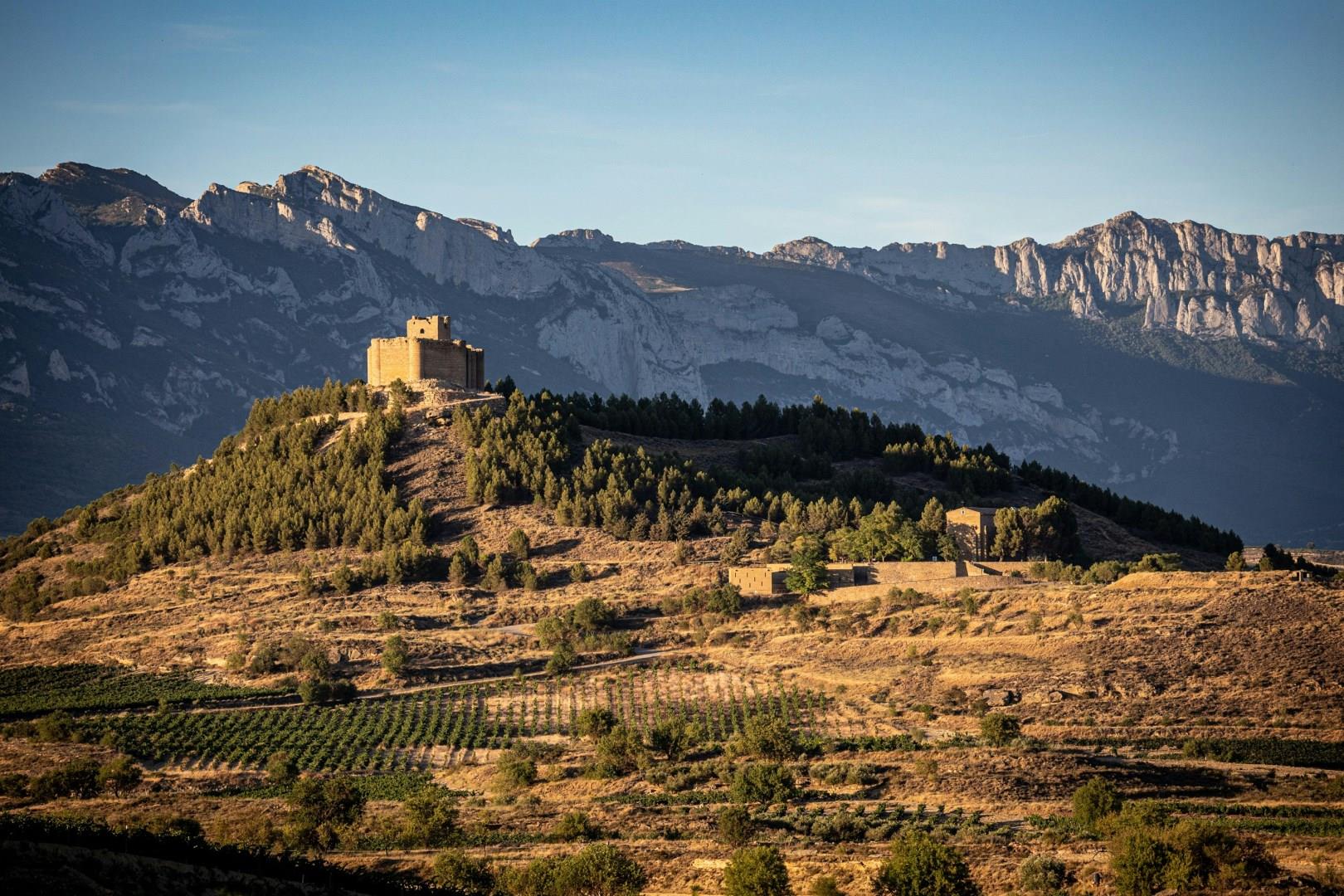
La Rioja, located in northern Spain, is best known for its wine, but the region offers much more than vineyard views. Its capital, Logroño, sits along the Camino de Santiago and has welcomed travelers for centuries. The city’s historic center is compact and lively, with narrow streets lined by centuries-old churches, pintxo bars, and quiet plazas.
Lublin
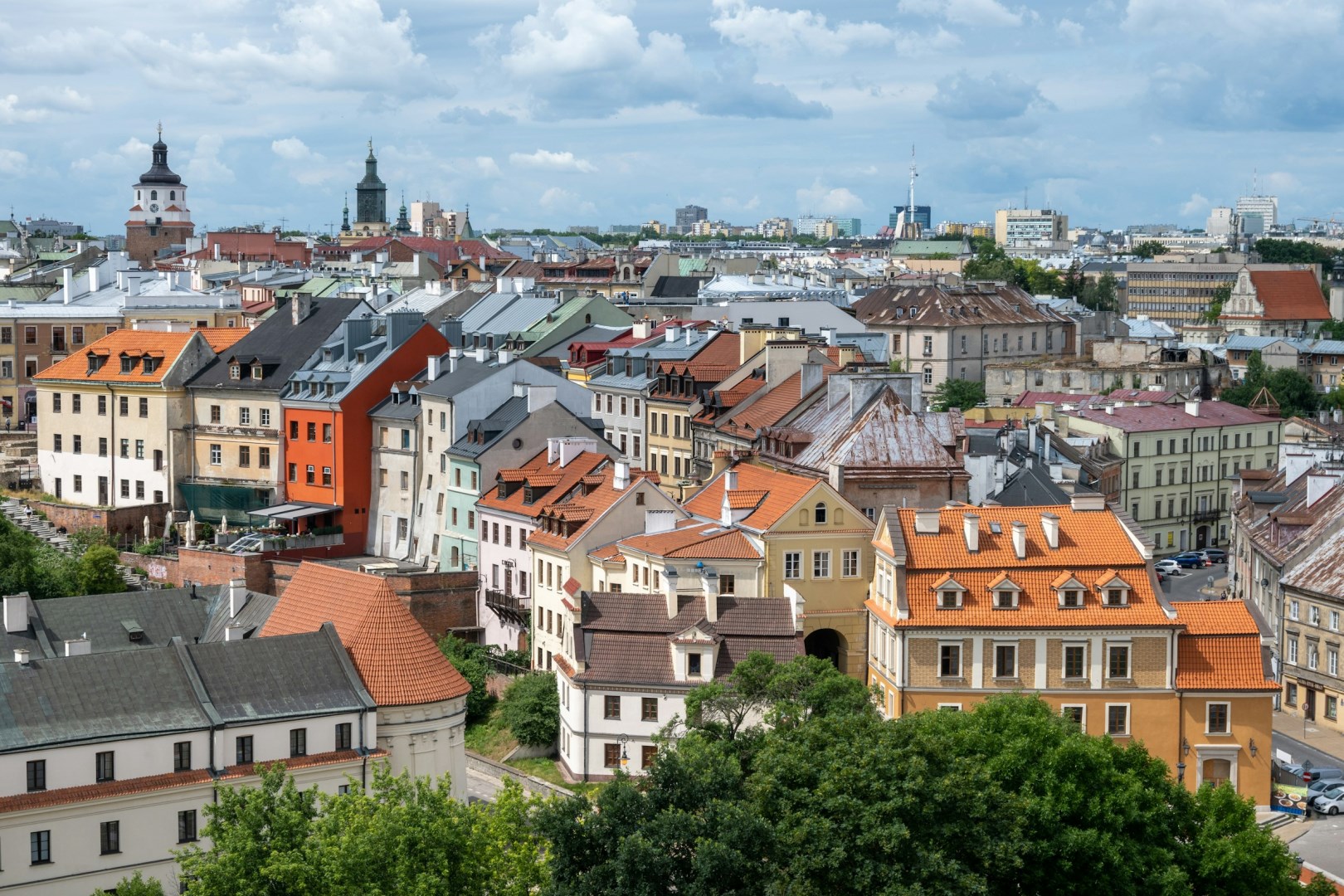
Located on a trade route to Lithuania and Russia, Lublin was already an important center by the time it received its municipal charter in 1317. The city still remains relatively unknown to foreign tourists. From the original defense walls and the Krakow Gate, the remnant of Lublin's medieval wall system to the town hall and the Renaissance burgher houses in the Market Square, Lublin offers numerous visual delights.

French Guiana
French Guiana, tucked between Brazil and Suriname on the northeast coast of South America, offers an unexpected blend of Amazonian wilderness, colonial intrigue, and French flair. As an overseas department of France, it uses the euro, speaks French, and has croissants alongside cassava bread at breakfast. Yet just beyond the cafés of Cayenne, vast rainforest stretches for hundreds of kilometers, home to rare wildlife, remote rivers, and Indigenous communities.
