
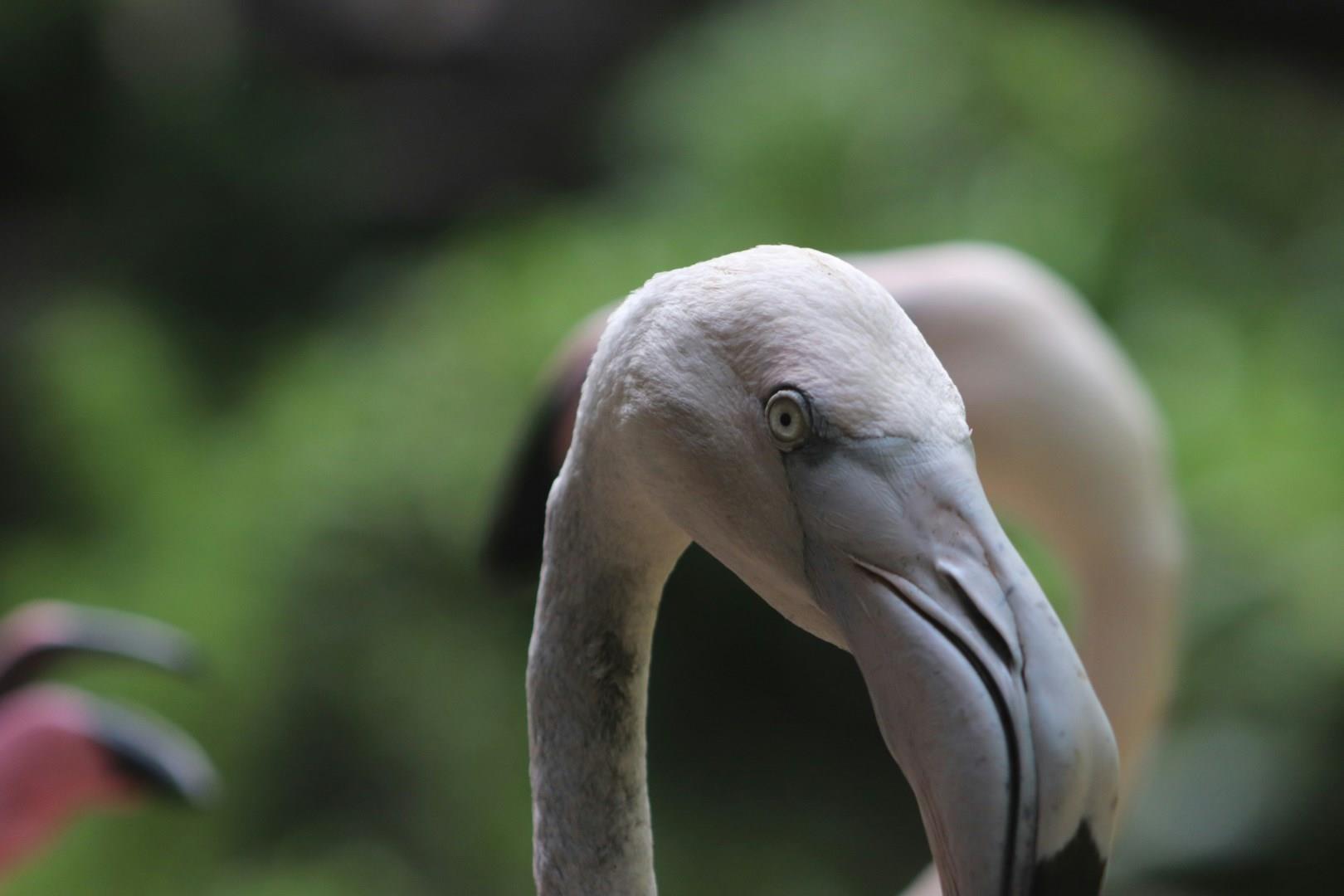
Kanchanaburi
Kanchanaburi, a province in western Thailand, is best known for its poignant history and lush landscapes. It was here that Allied prisoners of war and Asian laborers were forced to build the infamous Death Railway during World War II, including the Bridge over the River Kwai, which remains a powerful symbol of resilience.

Barbados
Barbados, an idyllic island in the Caribbean, offers a delightful blend of natural beauty, vibrant culture, and rich history. Known for its stunning beaches, crystal-clear waters, and year-round warm climate, Barbados is a paradise for sun-seekers and adventure enthusiasts alike. The island’s western coast boasts the famous West Coast Beaches, including Payne’s Bay and Sandy Lane, where soft white sands and turquoise waters provide the perfect backdrop for relaxation or water sports.
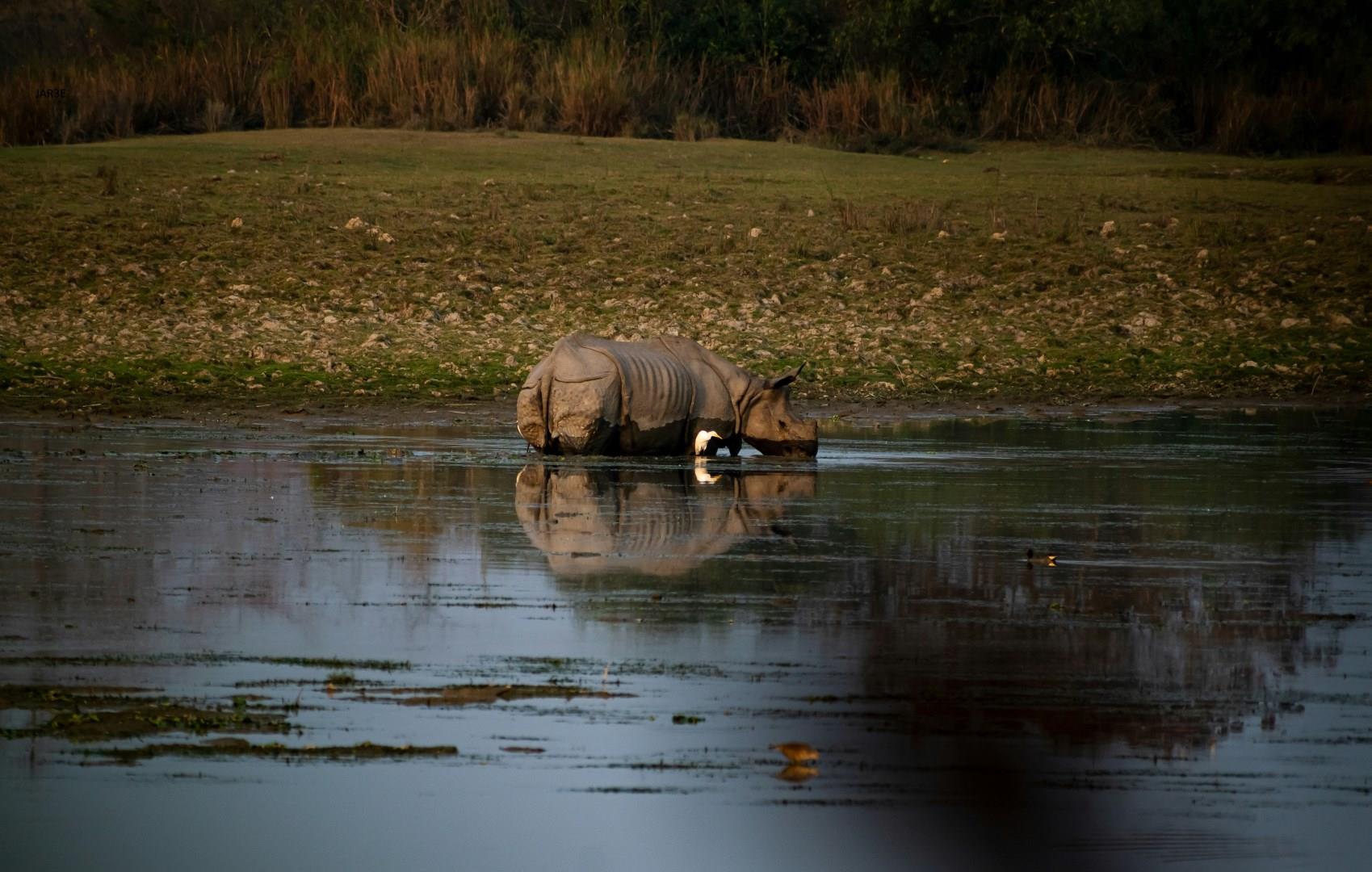
Kaziranga National Park
Kaziranga National Park stretches across the floodplains of the Brahmaputra River in Assam, shaped as much by water as by wildlife. Established in the early 20th century, it became central to conservation efforts in India, most notably for the greater one-horned rhinoceros. The park’s history reflects a long negotiation between protection, seasonal flooding, and the human communities that live around its edges.
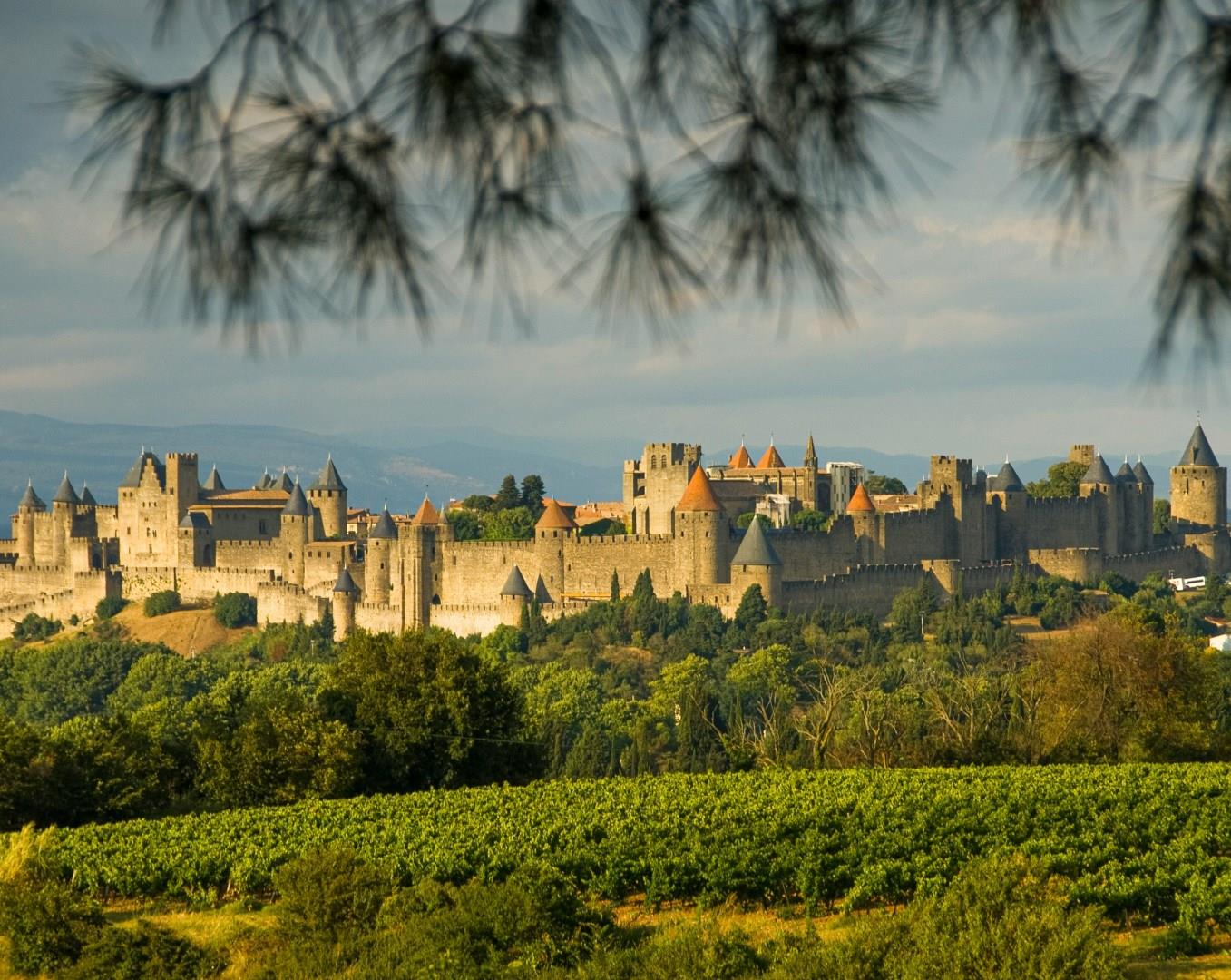
Carcassonne
Carcassonne is a fortified city in southern France, rising above the Aude River with walls and towers that feel lifted from another century. Its origins stretch back to Roman times, but the city is best known for its medieval citadel, rebuilt and expanded during the Middle Ages when Carcassonne became a strategic stronghold on key trade and military routes.

Abel Tasman National Park
Abel Tasman National Park, located at the northern tip of New Zealand's South Island, is a paradise for nature lovers and outdoor enthusiasts. Renowned for its golden beaches, lush forests, and crystal-clear waters, the park offers an array of activities, from hiking to kayaking. The Abel Tasman Coastal Track, one of New Zealand's Great Walks, stretches over 60 kilometers and provides breathtaking views of the coastline, making it a must-do for visitors.
