
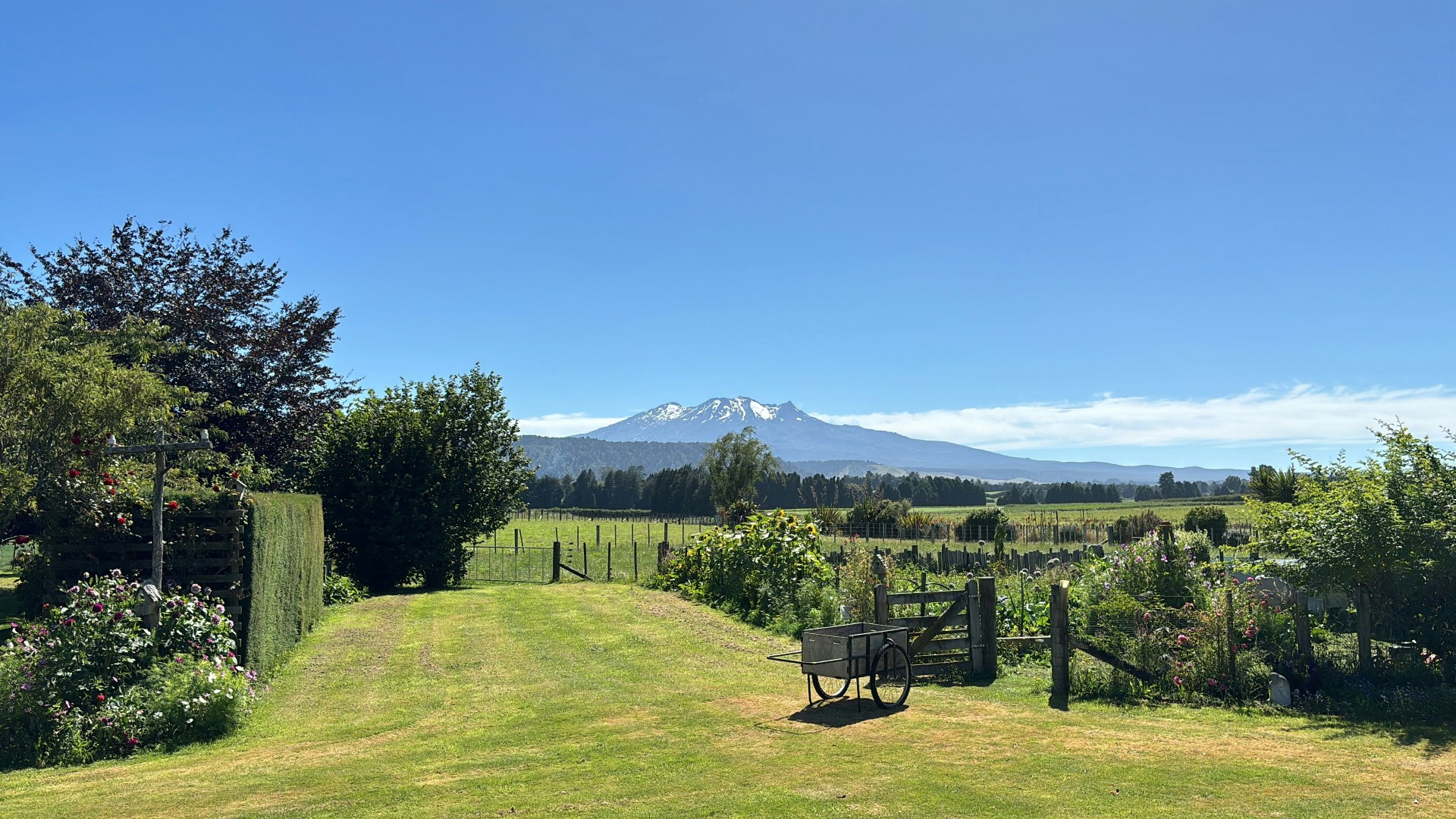
Ohakune
Ōhakune is a small town in New Zealand’s North Island, located at the southern edge of Tongariro National Park. It sits near the base of Mount Ruapehu, one of the country’s most active volcanoes, and serves as a gateway to alpine landscapes.

Toronto
The capital of Ontario and Canada's largest city, Toronto is a vibrant destination on the banks of Lake Ontario. Highlights of this striking cultural capital include the looming CN Tower (featuring a revolving restaurant), Casa Loma, Toronto Island Park, Royal Ontario Museum, and Ripley's Aquarium of Canada.
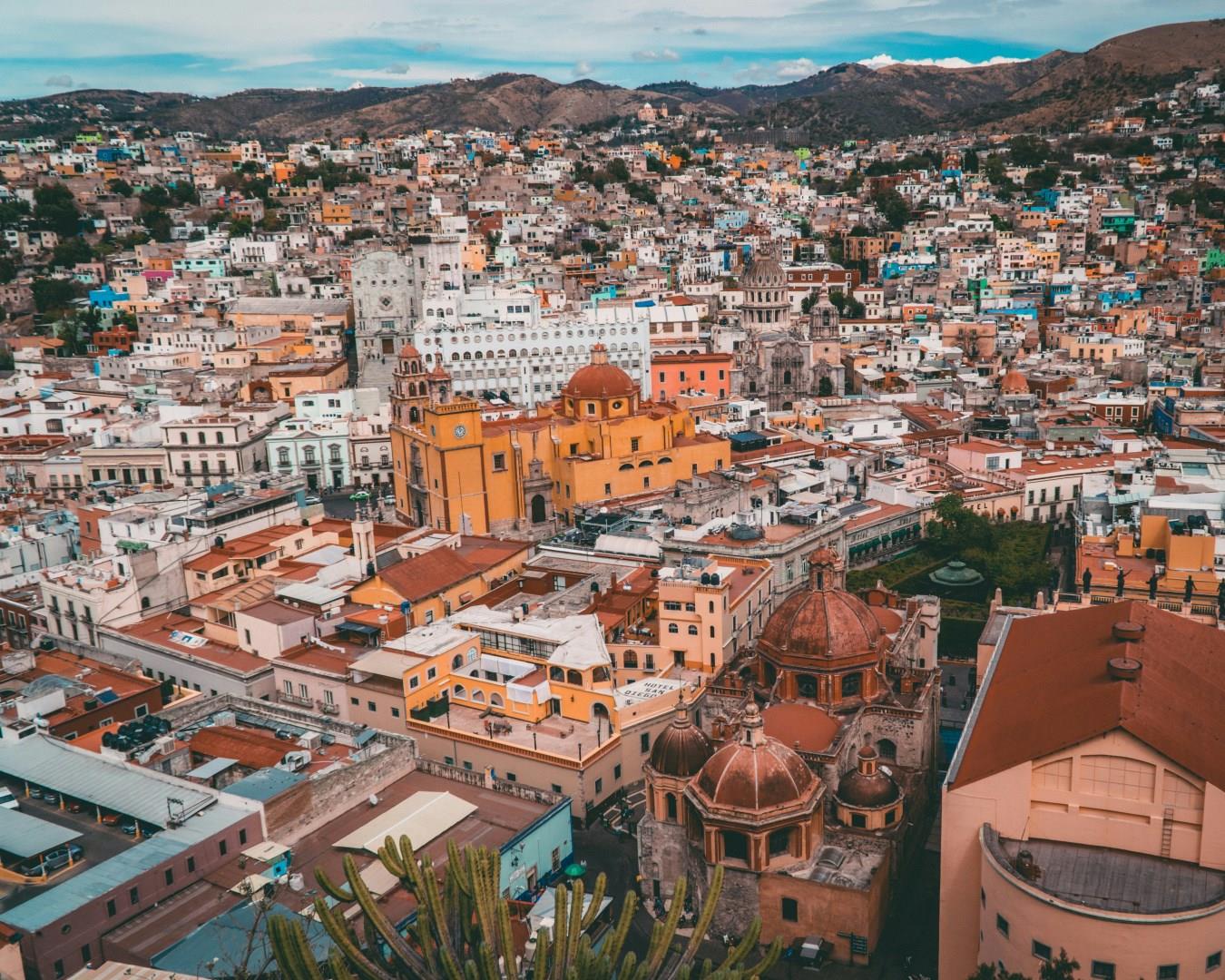
Guanajuato
Guanajuato, a UNESCO World Heritage City nestled in the mountains of central Mexico, is a place where history is built into every hillside alley and underground tunnel. Today, visitors can still tour La Valenciana Mine, where centuries-old tunnels and original mining equipment offer a glimpse into the city's wealth-driven past. The nearby Templo de San Cayetano, built by mine owners in the mid-1700s, is a stunning example of baroque design, lined with gilded altars and intricate woodwork.

Nelson Lakes National Park
Nestled in the heart of New Zealand's South Island, Nelson Lakes National Park is a paradise for nature enthusiasts and adventure seekers alike. This breathtaking park is renowned for its stunning lakes, dense beech forests, and rugged mountains. The twin lakes, Rotoiti and Rotorua, are the park's crown jewels, offering crystal-clear waters framed by lush greenery. Visitors can explore these serene lakes by taking a scenic boat ride or embarking on a picturesque hike along their shores.
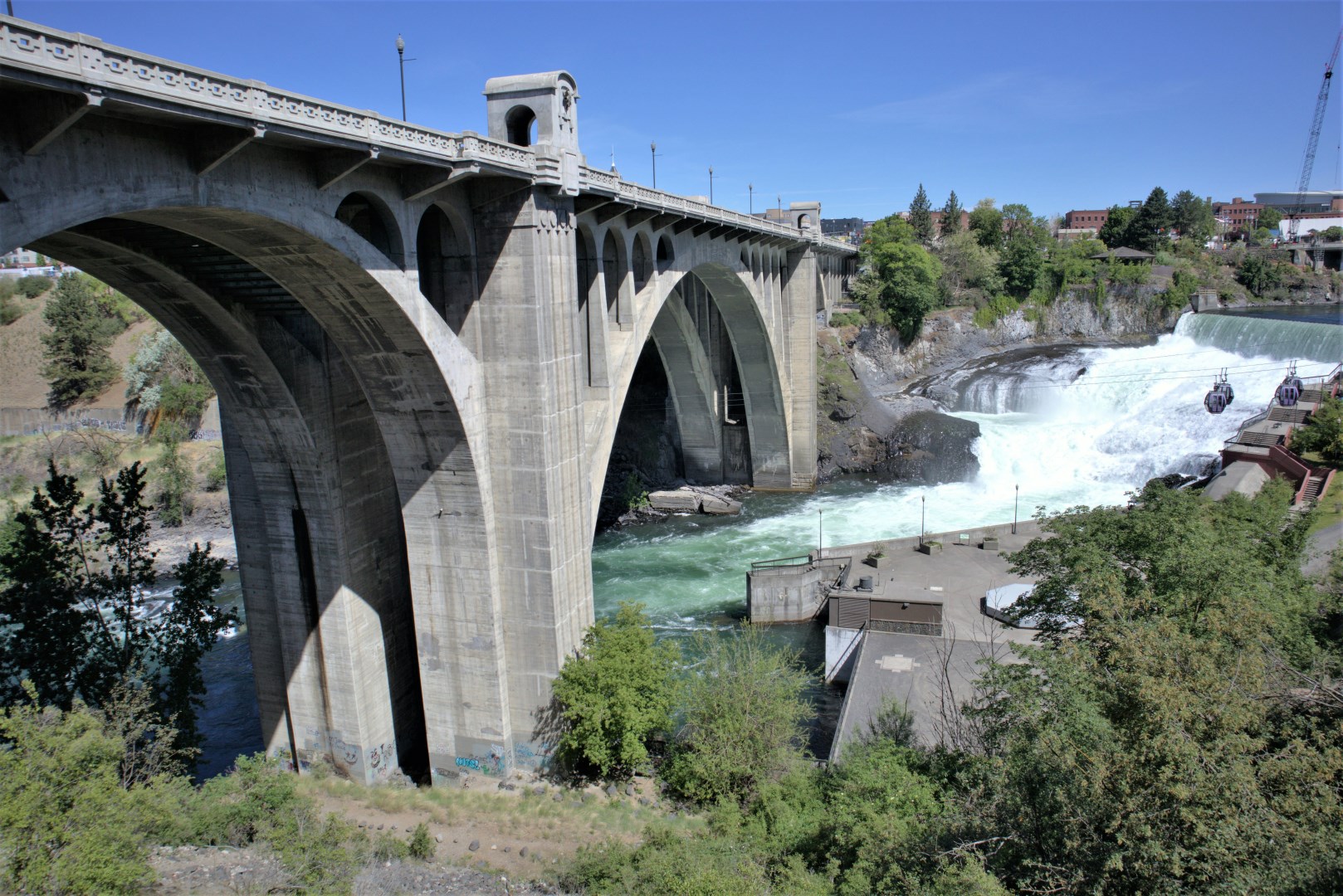
Spokane
Spokane, Washington, nestled in the scenic Inland Northwest, offers an engaging mix of natural beauty and vibrant city life. Known as the "Lilac City," Spokane is celebrated for its lush green spaces and the stunning Riverfront Park, which features the iconic Spokane Falls and a variety of outdoor activities. The park's spectacular waterfalls and well-maintained walking trails provide a picturesque backdrop for visitors exploring the city's urban oasis.
