

Dominica
Dominica, known as the “Nature Island of the Caribbean,” is a haven for eco-tourists and adventure seekers. Nestled between the French islands of Guadeloupe and Martinique, this lush island boasts a remarkable landscape of volcanic mountains, dense rainforests, and stunning waterfalls. Dominica’s most iconic natural wonder is the Boiling Lake, the second-largest hot spring in the world.

Pisek
Písek, a picturesque city in the South Bohemian Region of the Czech Republic, is a hidden gem steeped in history and charm. One of its most notable landmarks is the Písek Stone Bridge, the oldest preserved bridge in the country. Built in the 13th century, this Gothic bridge spans the Otava River and is a testament to medieval engineering.

Rhodes Island
Antiquity is everywhere on the island of Rhodes, from its cobbled Old Town to a mighty acropolis presiding high over the town of Lindos. Ancient ruins recall Crusades-era occupation and Ottoman tyranny, but today, a rather magical Aegean lifestyle is predominant. Travelers will enjoy excellent food, picturesque beaches, buzzing nightlife, and snorkeling in clear waters.

Rhine Valley
The Rhine Valley offers a unique blend of historic landmarks, cultural traditions, and natural splendor. Whether exploring ancient castles, savoring local wines, or simply cruising along the river, visitors will find endless opportunities to create lasting memories in this enchanting region.
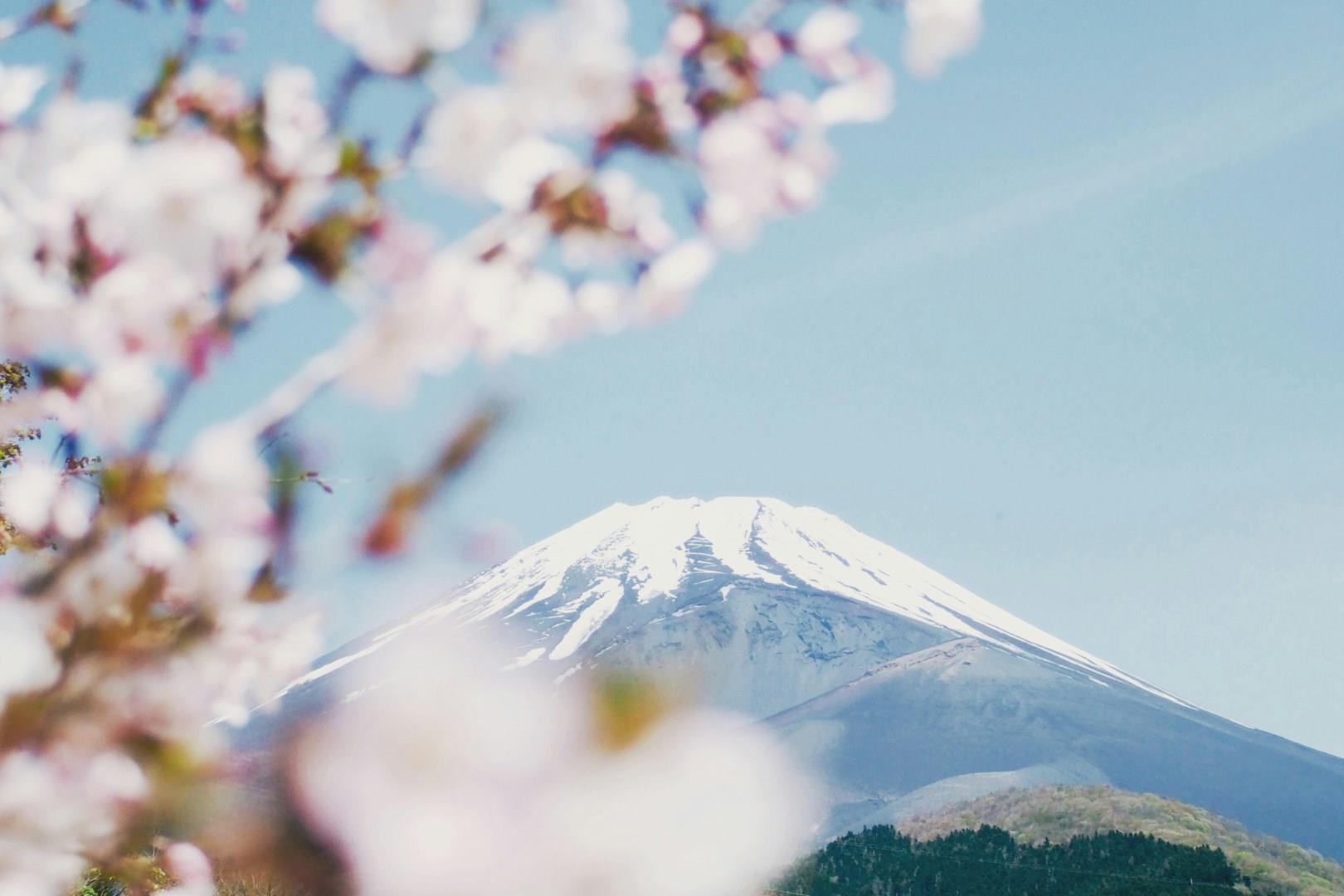
Mount Fuji
Mount Fuji rises above central Japan as both a physical landmark and a cultural symbol, long associated with pilgrimage, art, and seasonal ritual.
