

Yangon
Yangon, Myanmar’s largest city, blends colonial heritage, cultural diversity, and spiritual landmarks. Once the country’s capital, it remains the economic and cultural hub, with lively markets, tree-lined avenues, and historic buildings that reflect its layered past under British, Burmese, and regional influences.
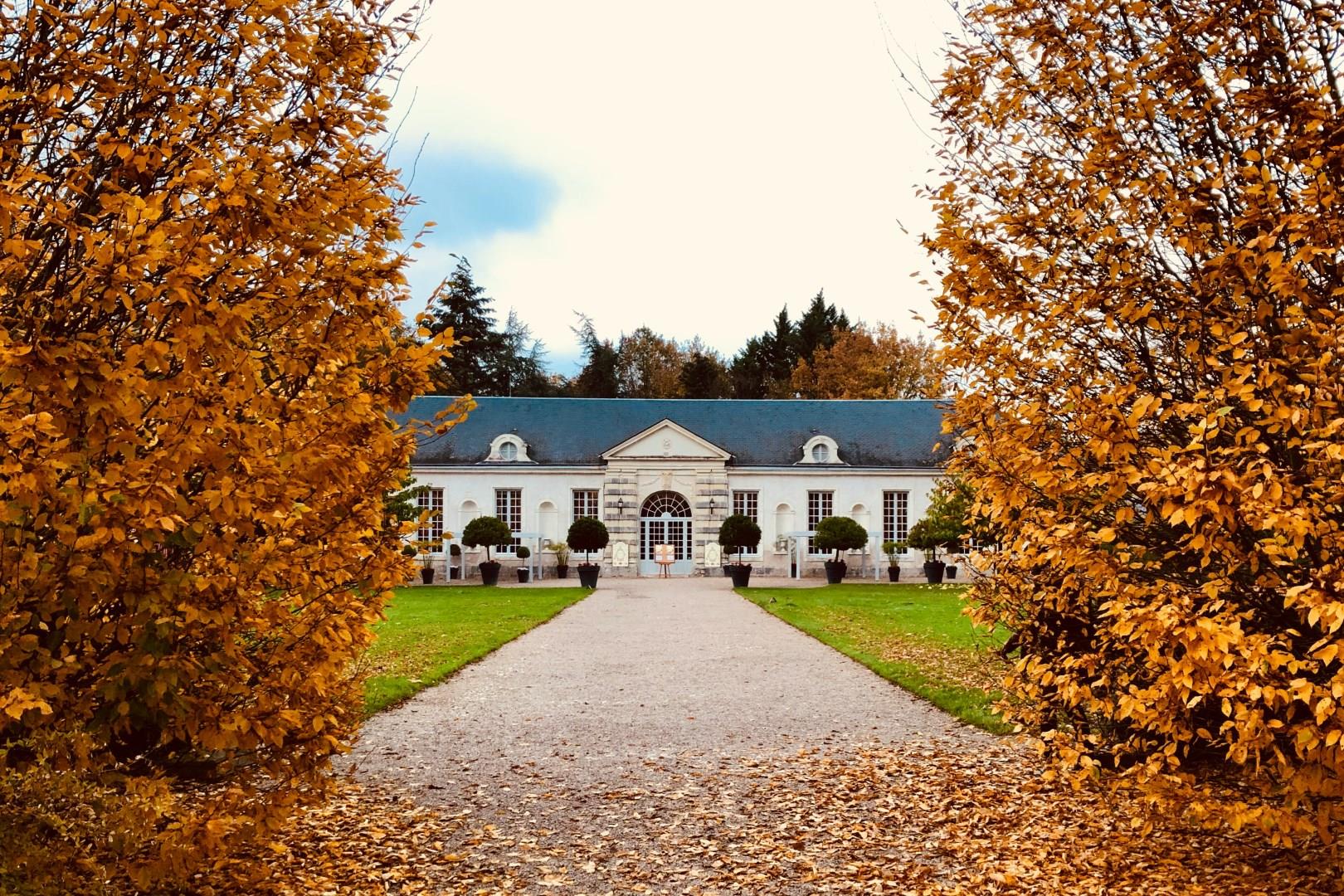
Loire Valley
The Loire Valley stretches along the gentle curves of France’s longest river, a place where riverside towns, historic estates and vineyards have shaped daily life for centuries. This long stretch of landscape was recognized as a UNESCO World Heritage Site because of its remarkable cultural landscape, which includes towns like Tours, Blois, Amboise and Saumur and a tapestry of castles standing beside the river banks.

Raiatea
Raiatea's laid-back atmosphere and warm hospitality make it a wonderful place to unwind and soak in the peaceful rhythms of Polynesian life.
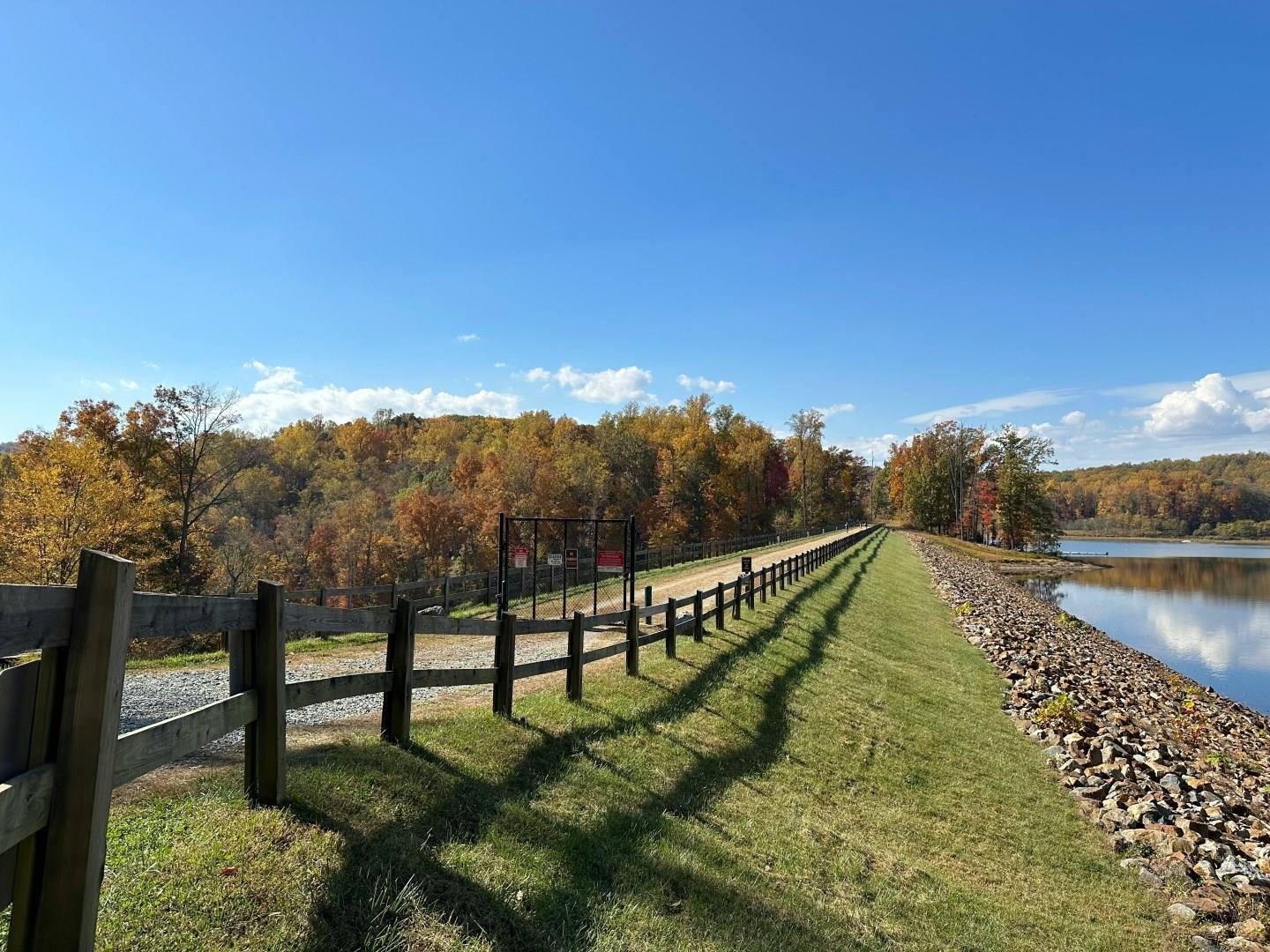
Charlottesville
Charlottesville, Virginia is a small city with deep roots and a lively sense of place. It's home to the University of Virginia, founded by Thomas Jefferson in 1819 and now recognized as a UNESCO World Heritage Site alongside Jefferson’s Monticello estate. Both sites are working institutions where architecture, education, and ongoing dialogue shape how visitors experience the past.

South Sandwich Islands
The South Sandwich Islands are among the most remote places on Earth, a chain of volcanic peaks rising from the Southern Ocean, over 1,300 kilometers southeast of South Georgia. With no permanent residents, no ports, and no infrastructure, these islands remain untouched by tourism in the conventional sense. What they offer instead is a rare glimpse into one of the planet’s most extreme and least disturbed environments.
