
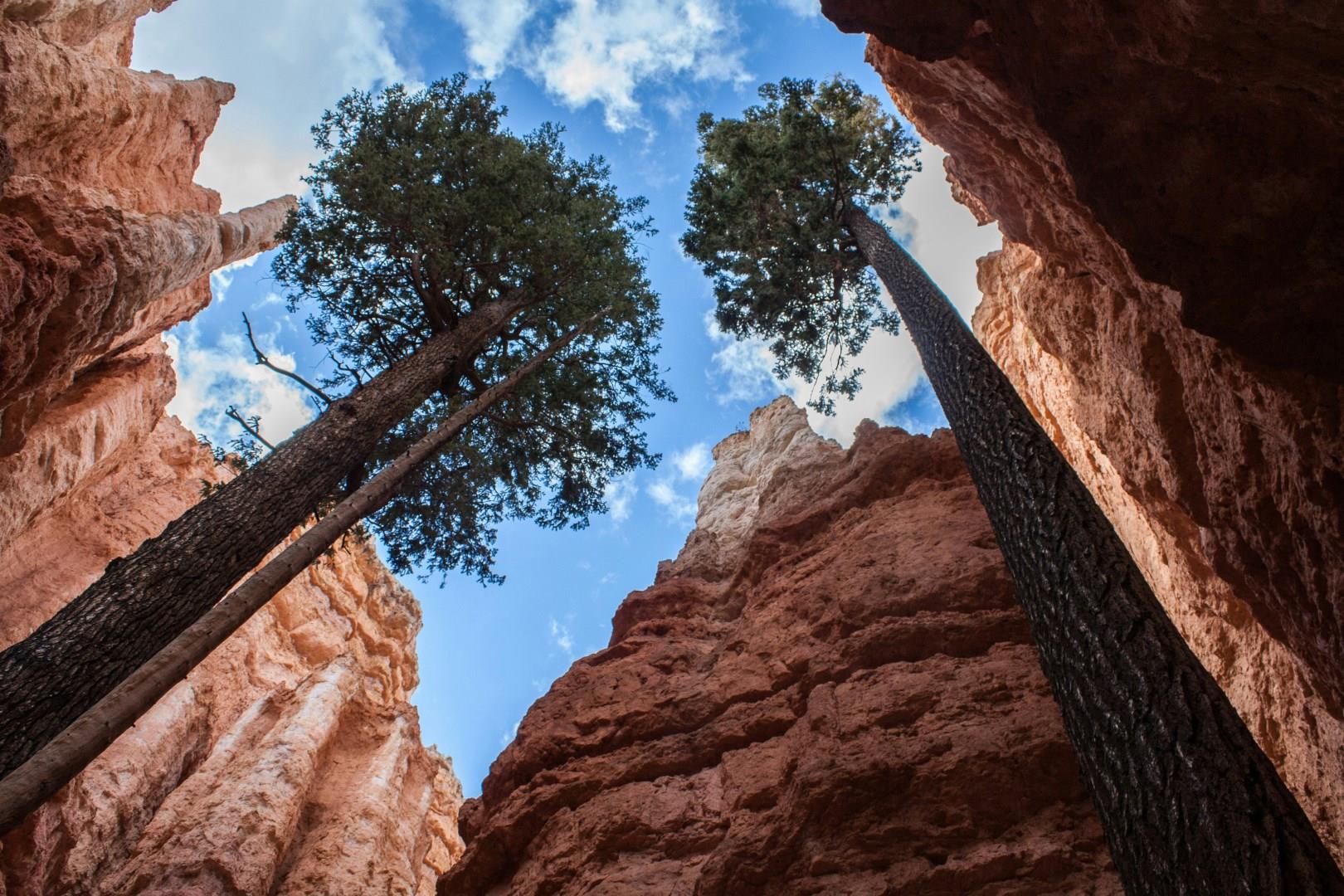
Bryce Canyon
Bryce Canyon, tucked into the high plateaus of southern Utah, offers one of the most unusual landscapes in the American Southwest. It’s not actually a canyon but a series of natural amphitheaters carved into the edge of the Paunsaugunt Plateau. What makes Bryce unique is its dense collection of hoodoos which are tall, thin spires of rock formed over millions of years by frost-wedging and erosion.

Bari
Bari, the capital of Puglia in southern Italy, is a vibrant port city with a rich history and lively atmosphere. Begin your exploration at the Basilica di San Nicola, an iconic pilgrimage site housing the relics of Saint Nicholas. This Romanesque church, dating back to the 11th century, is renowned for its stunning architecture and historical significance (Basilica di San Nicola).
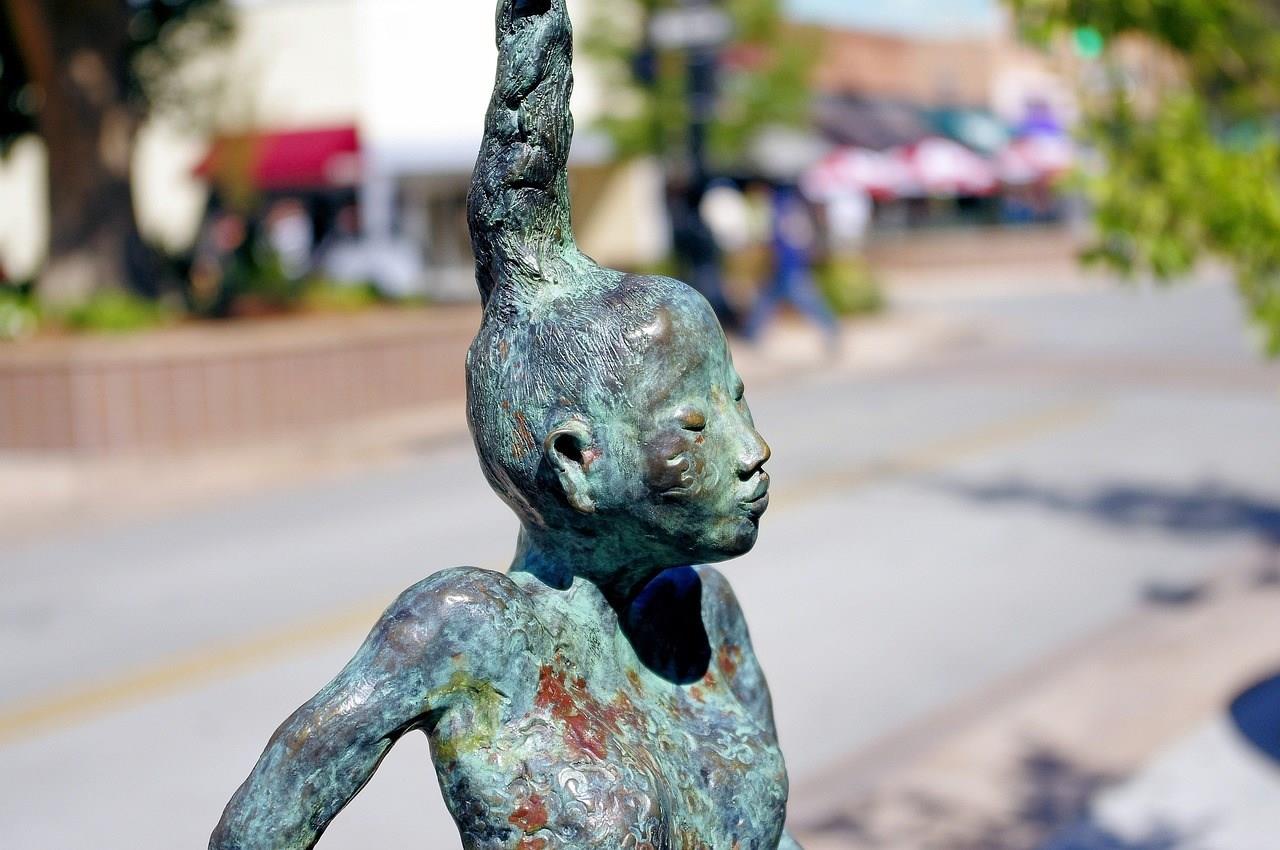
Grand Junction
Grand Junction, located on Colorado’s Western Slope, is a destination where desert canyons meet fertile vineyards and rugged plateaus overlook winding rivers. The town sits at the junction of the Colorado and Gunnison Rivers, which historically made it a vital meeting point for Native American tribes, trappers, and settlers. Today, visitors come for its striking landscapes, laid-back pace, and a growing food and wine scene that's putting this region on the map for more than just its scenery.

Honfleur
Honfleur, a picturesque port town in Normandy, France, is a destination brimming with charm, history, and artistic inspiration. Its historic Vieux-Bassin (Old Harbor) is a central highlight. The harbor, lined with colorful buildings and fishing boats, has served as a muse for countless artists, including Impressionists like Claude Monet and Eugène Boudin. Today, visitors can explore the Eugène Boudin museum to admire works celebrating the beauty of Honfleur and the surrounding landscapes.
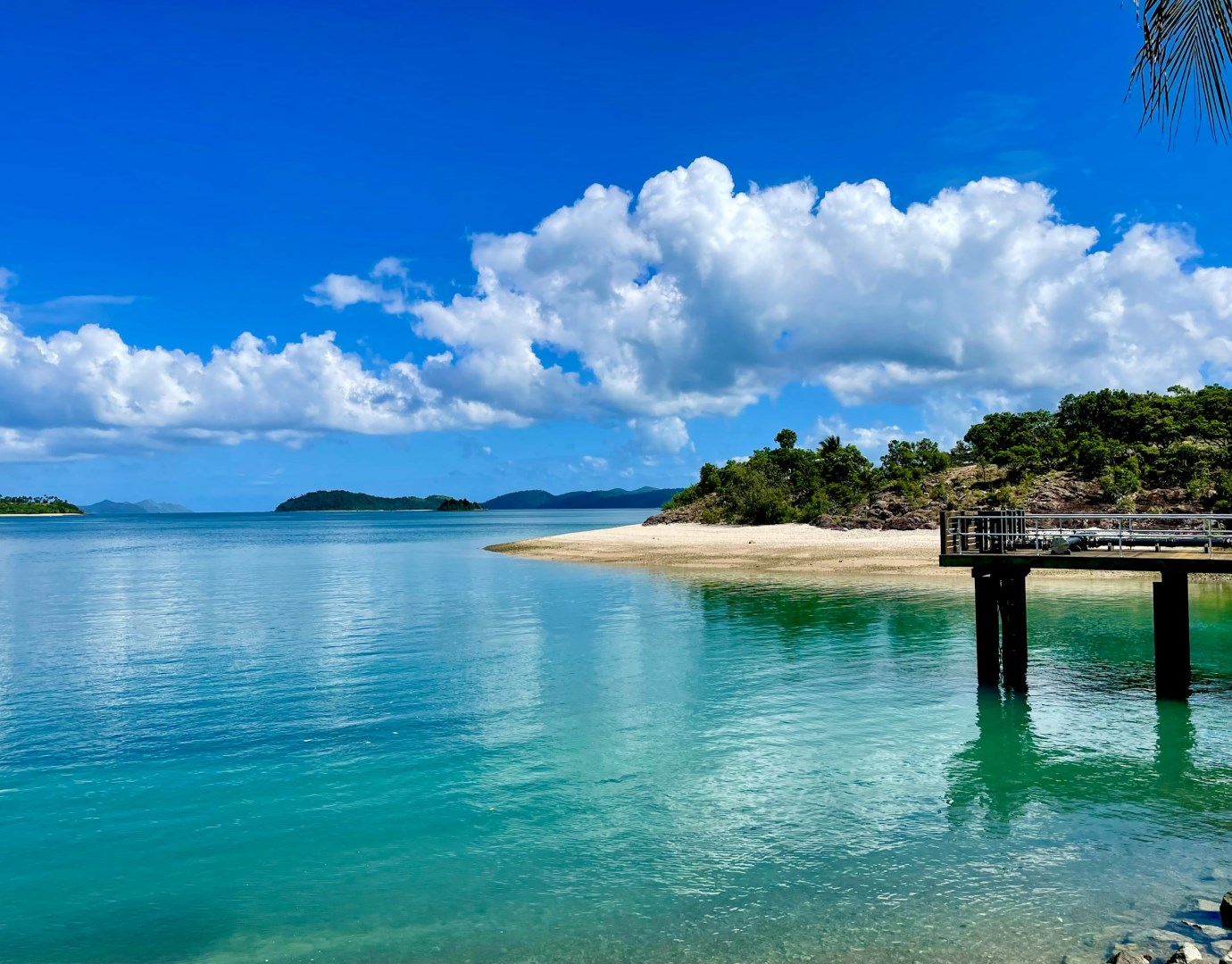
Hamilton Island
An island off the northeast coast of Australia, south of Whitsunday Island, and part of the Cumberland Island Group.
