
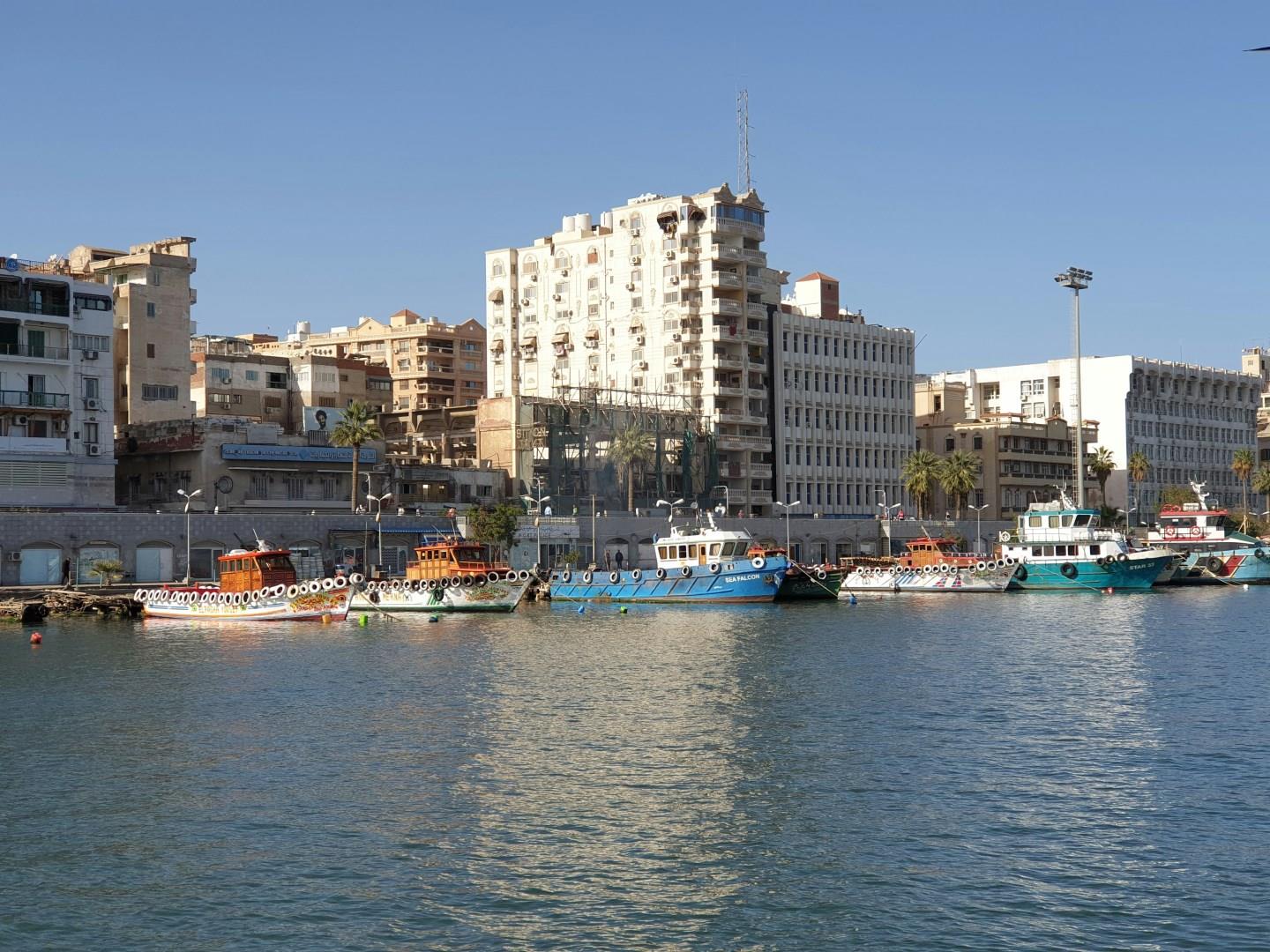
Port Said
Egypt’s Port Said sits at the northern entrance of the Suez Canal, where the Mediterranean meets one of the world’s most famous waterways.

Port Canaveral
Port Canaveral, located on Florida's Space Coast, is a captivating destination where space exploration and beachside relaxation come together. This bustling port is known as one of the world's busiest cruise ship ports, making it a prime gateway for cruising to the Caribbean and beyond source.
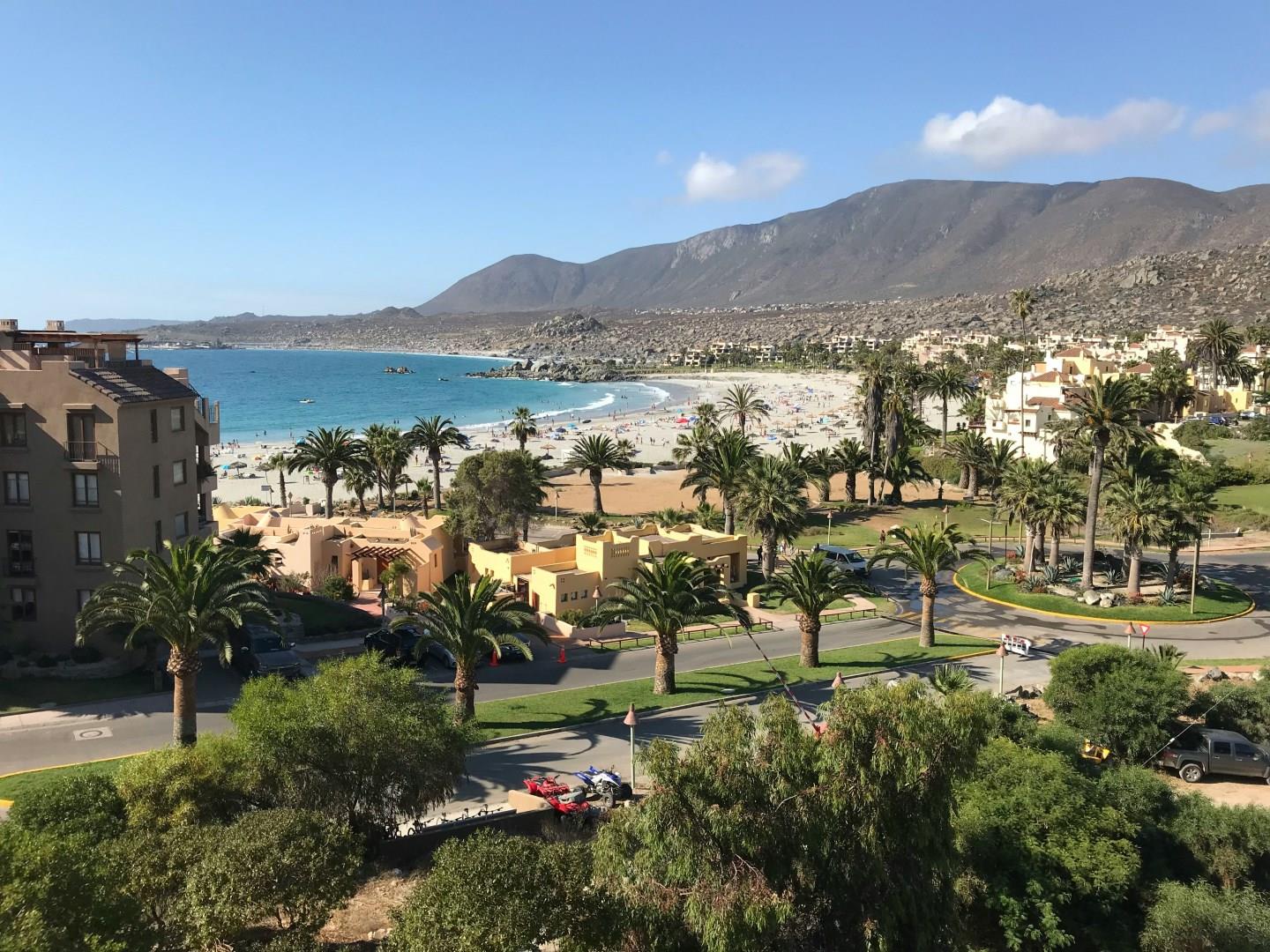
Coquimbo
Coquimbo is a historic port city on Chile’s north-central coast, where maritime tradition and everyday life revolve around the Pacific.
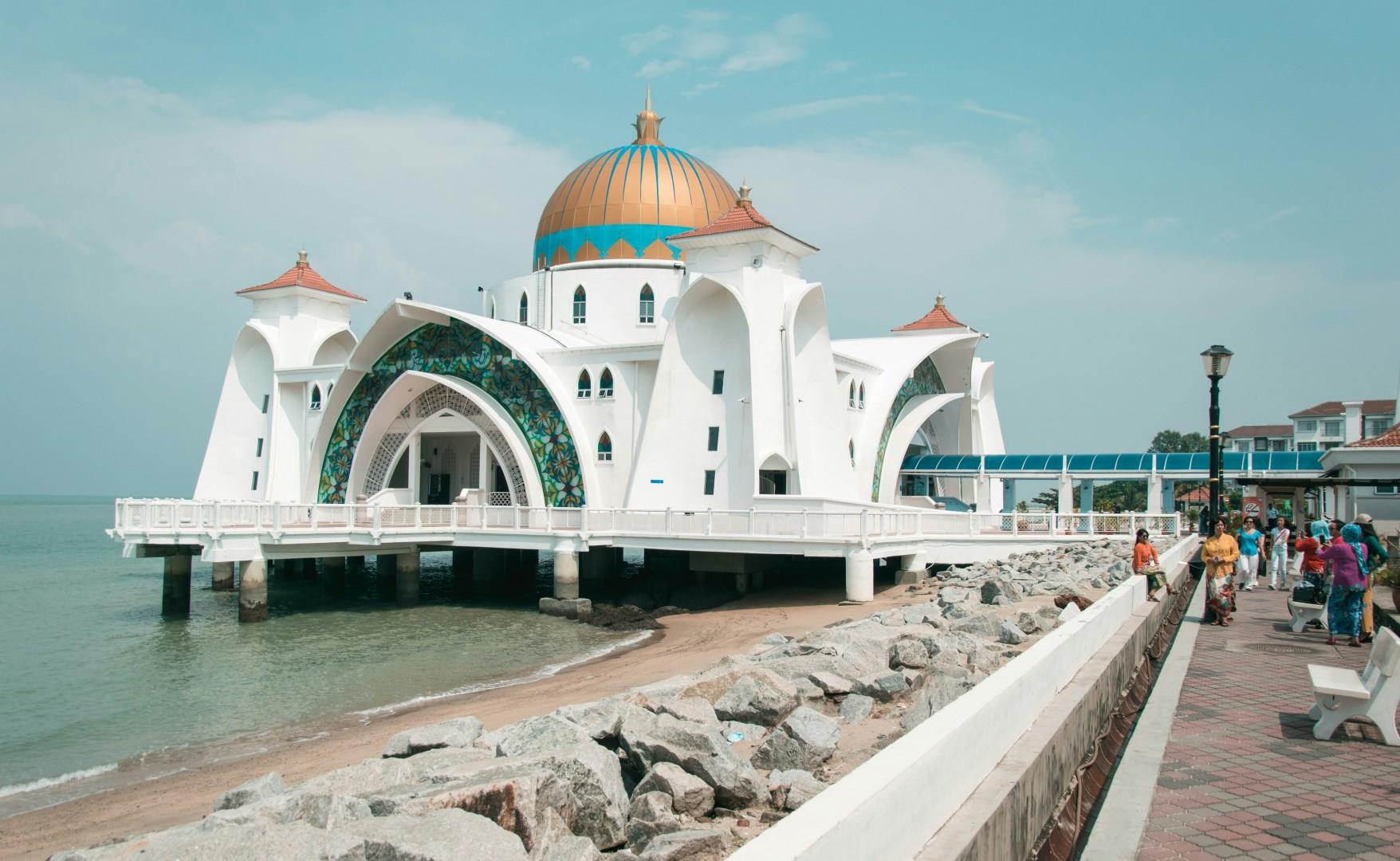
Malacca
Malacca, also known as Melaka, sits along Malaysia’s west coast and is one of Southeast Asia’s most historically layered cities.
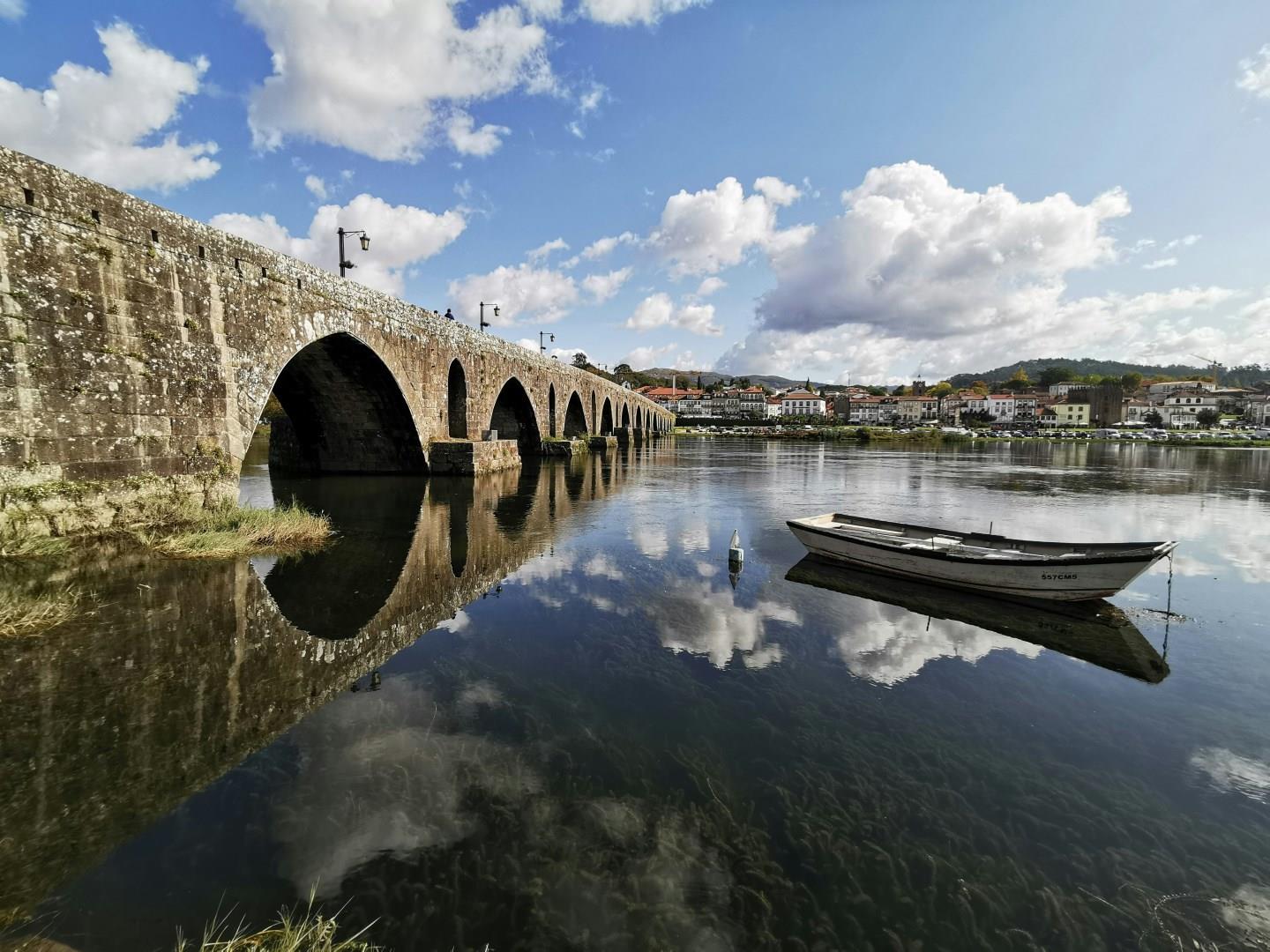
Ponte de Lima
Ponte de Lima sits along the Lima River in northern Portugal and is often regarded as the country’s oldest town. Its identity centers on the medieval bridge that spans the river, parts of which date back to Roman times and still structure how the town is experienced today.
