

Jeddah
Jeddah sits along Saudi Arabia’s Red Sea coast and has long served as a gateway between the Arabian Peninsula and the wider world. For centuries, merchants, pilgrims, and travelers passed through its port on the way to Mecca, shaping a city known for openness and exchange.
Barca d'Alva
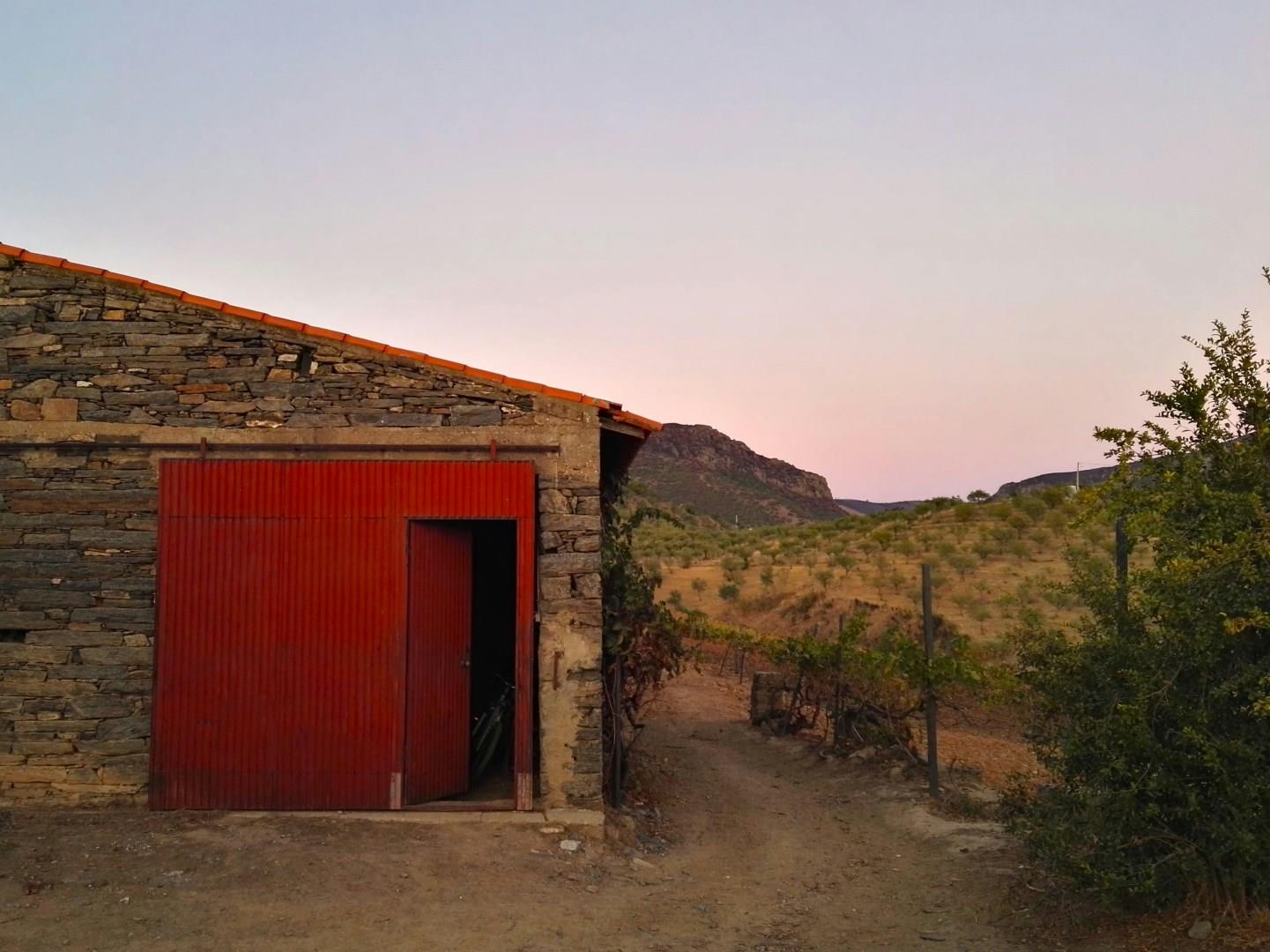
Barca d'Alva sits quietly along the Douro River, right at Portugal’s eastern border with Spain. Once the final stop on the historic Douro railway line, this riverside village remains relatively untouched by mass tourism. The surrounding landscape filled with terraced vineyards, olive groves, and almond trees form part of the UNESCO-listed Alto Douro Wine Region.
Bergamo
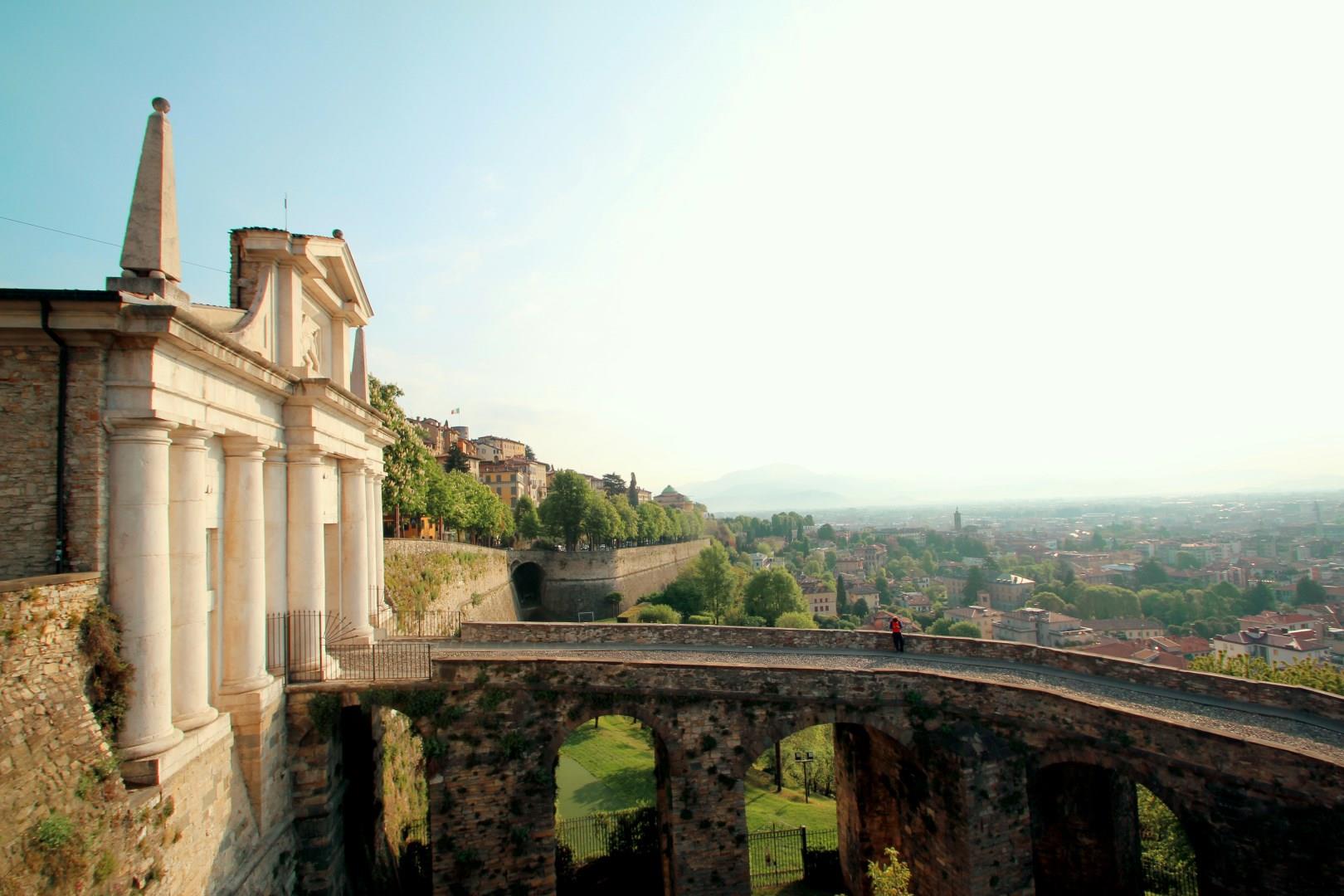
Bergamo, in northern Italy’s Lombardy region, is a city of striking contrasts, divided into the historic upper town and the modern lower town. The upper town, perched on a hill and encircled by Venetian walls, offers cobblestone streets, medieval architecture, and panoramic views over the surrounding plains and the distant Alps.
Brindisi
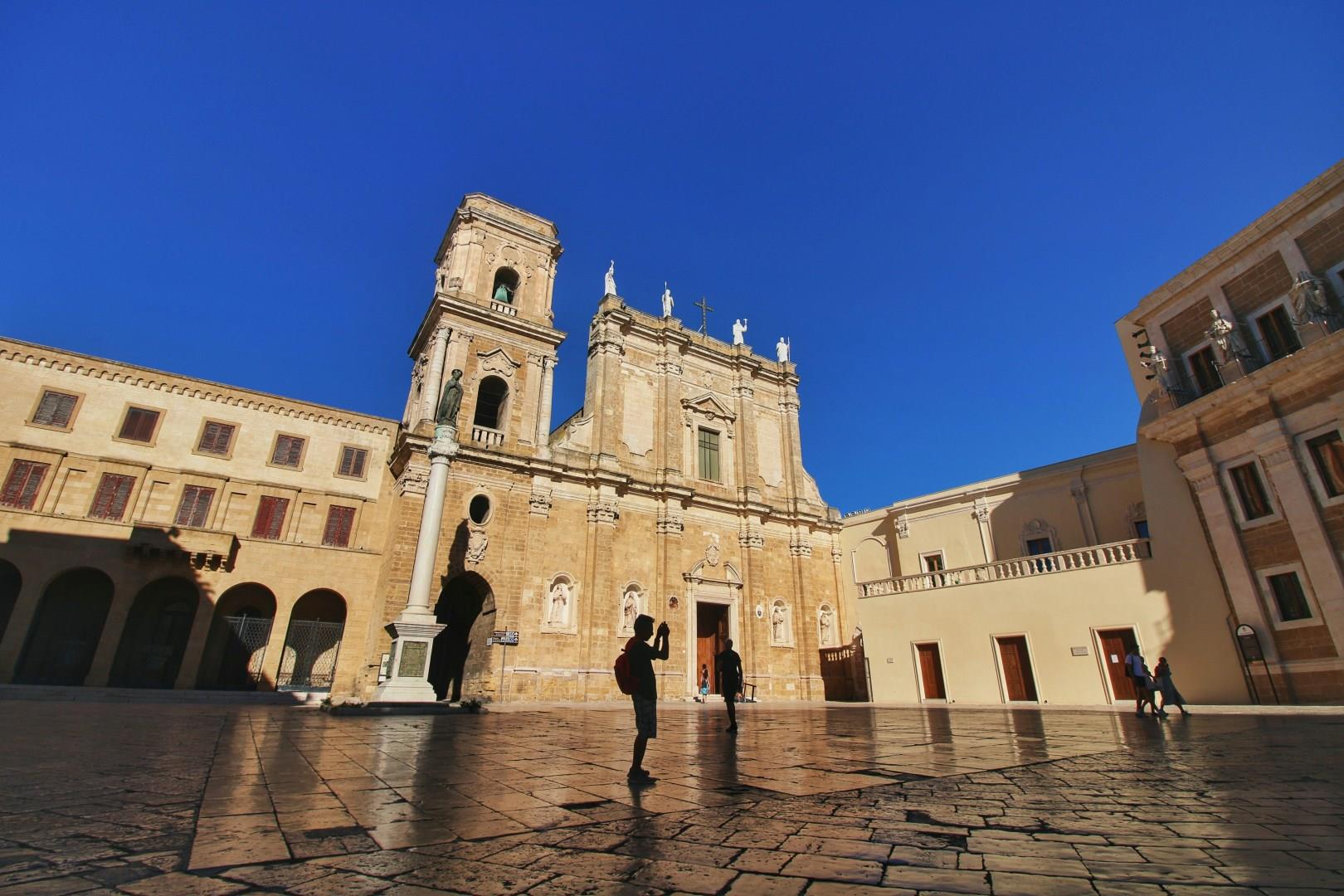
Italy’s port city of Brindisi, tucked along the Adriatic coast in the Puglia region, has been a gateway to the East for over two thousand years. Once the Roman Empire’s main departure point for the Via Appia, the road to Greece and beyond, Brindisi still bears traces of its ancient past, from Roman columns to remnants of old harbors that once welcomed traders, pilgrims, and soldiers.

Zagreb
Zagreb, the vibrant capital of Croatia, is a city where history, culture, and a youthful spirit collide in an unforgettable way. Wander through the cobblestone streets of the Upper Town (Gornji Grad) and marvel at its medieval architecture, such as the iconic St. Mark's Church, known for its colorful tiled roof depicting the coat of arms of Zagreb and the Kingdom of Croatia.
