
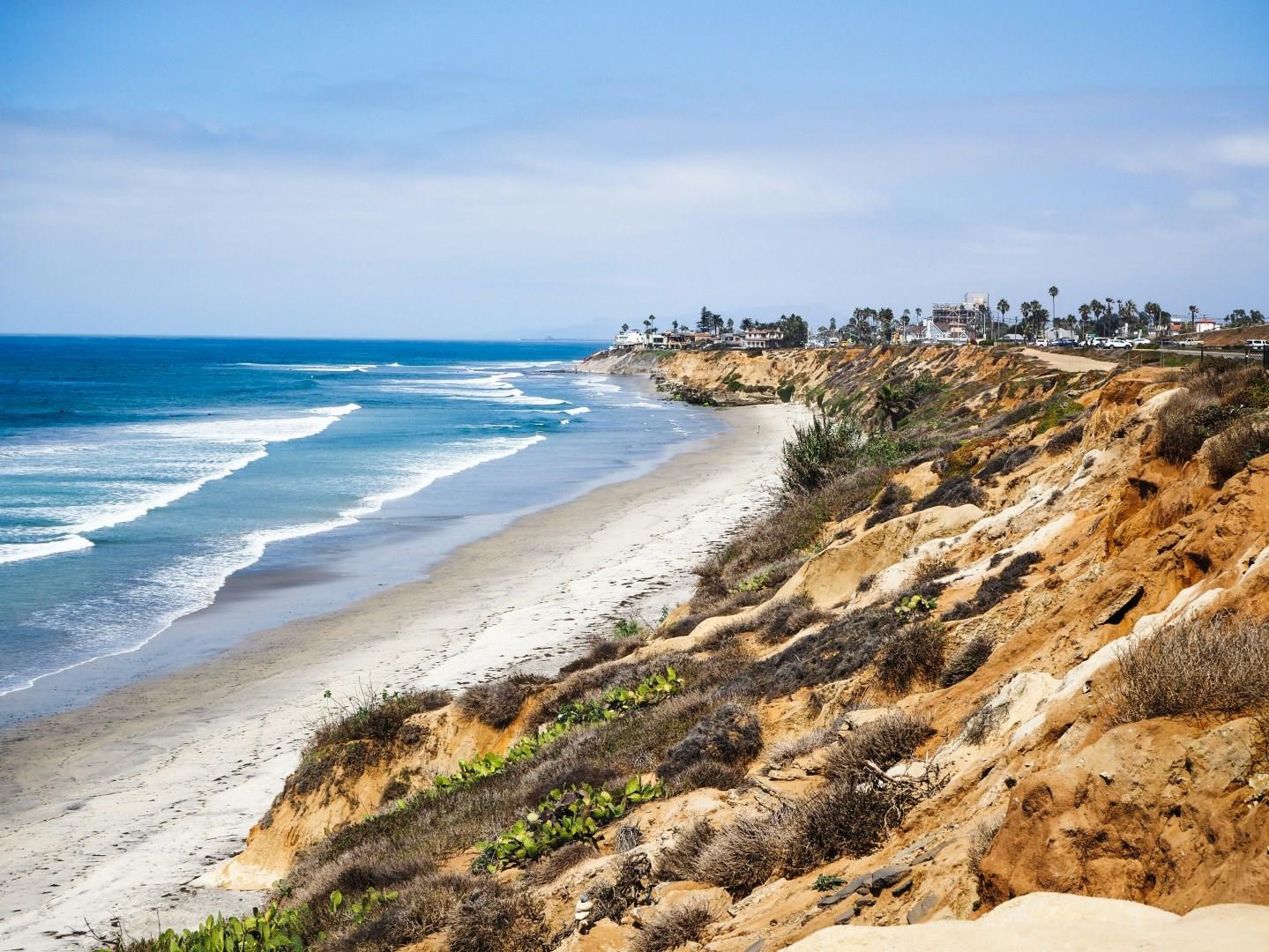
Carlsbad
Carlsbad, California, a coastal gem located between San Diego and Los Angeles, offers visitors a unique mix of stunning beaches, family-friendly attractions, and natural beauty. The city is best known for its beautiful Carlsbad State Beach, where surfers, sunbathers, and swimmers flock year-round to enjoy Southern California’s idyllic weather and shimmering Pacific waters.
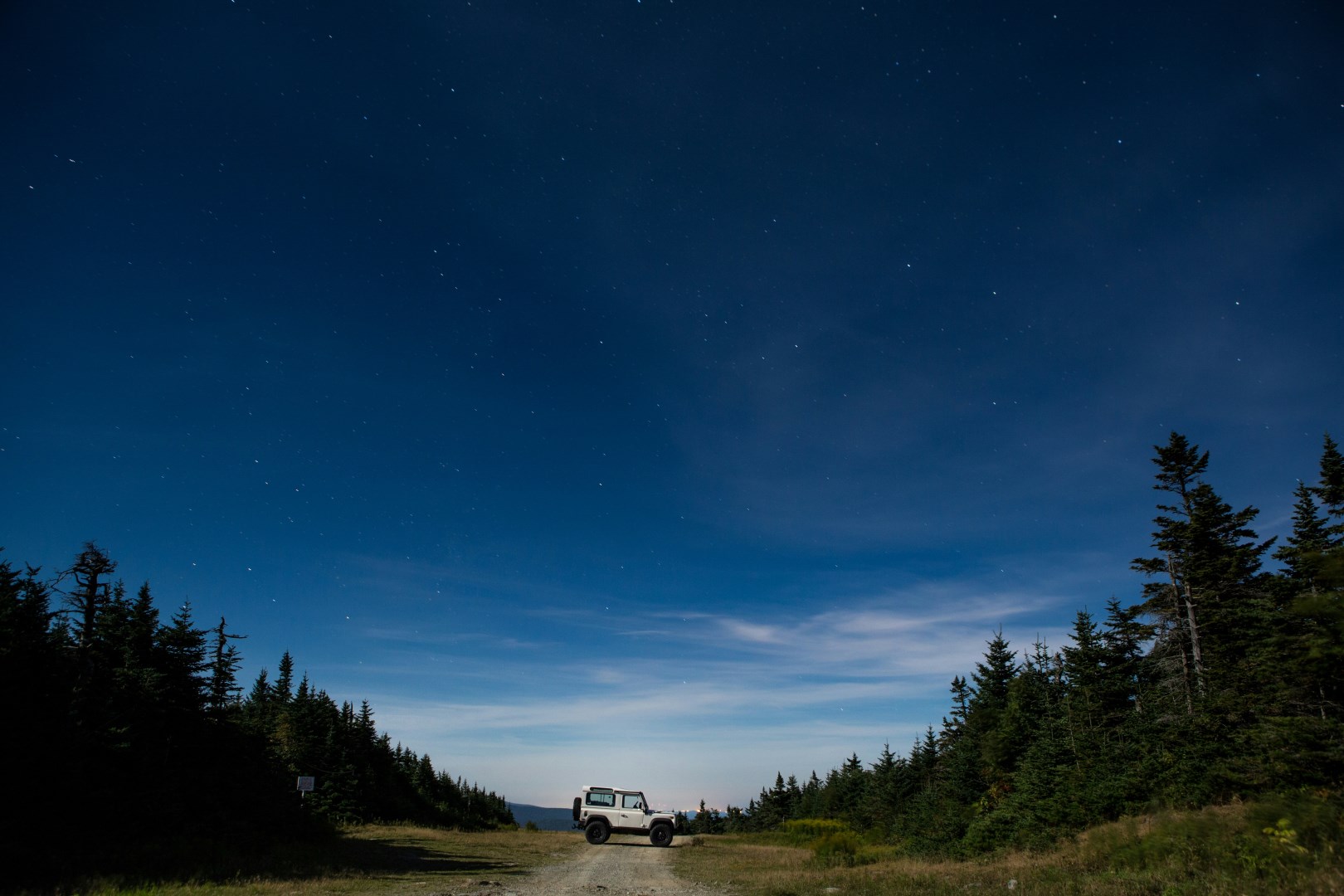
Stratton
Stratton is a mountain destination in southern Vermont, United States, centered around Stratton Mountain Resort. It sits within the Green Mountains, where forested slopes and changing seasons define the landscape.
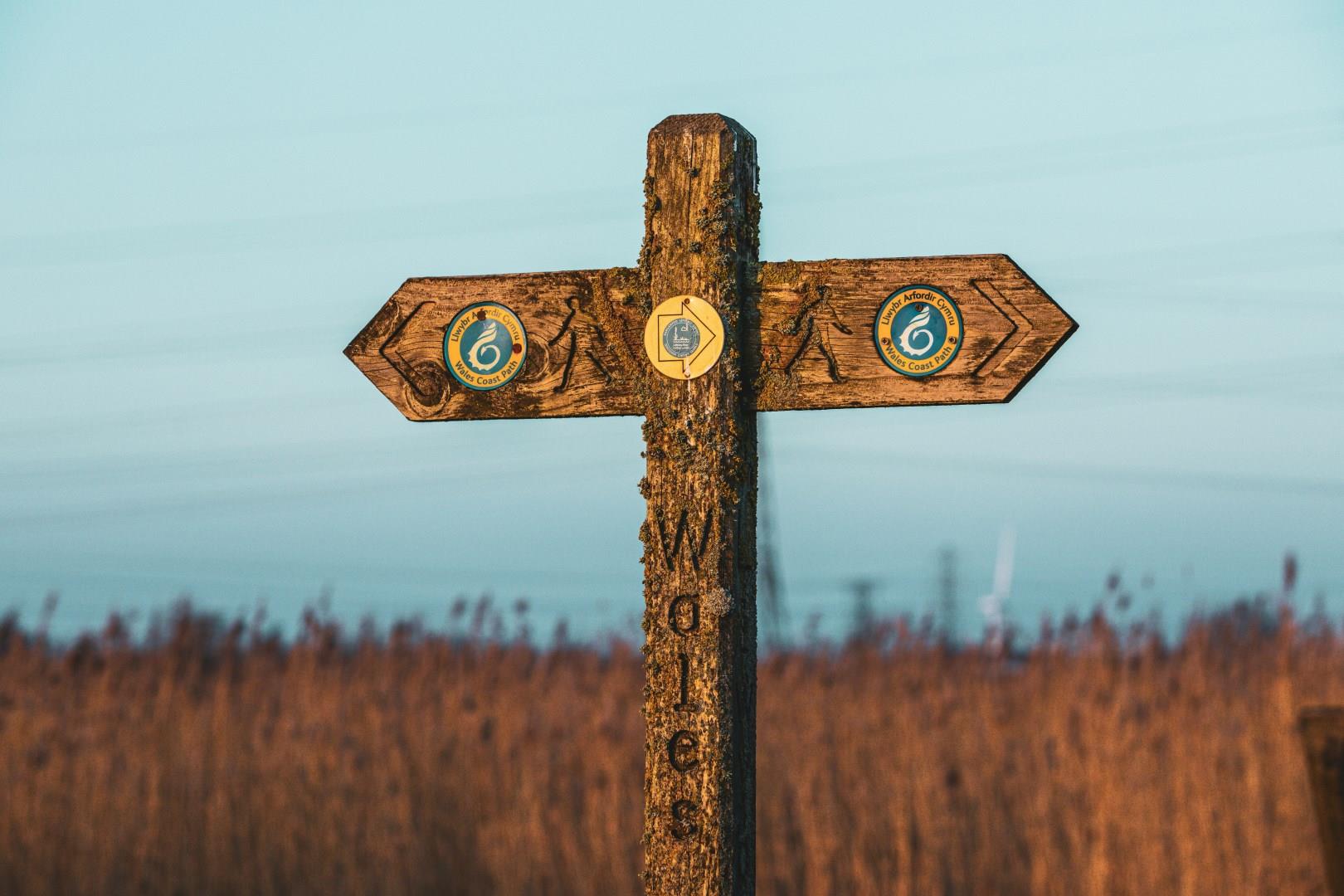
Newport
Newport, a historic city on the River Usk in southeast Wales, blends its industrial heritage with a growing reputation for culture and green spaces.
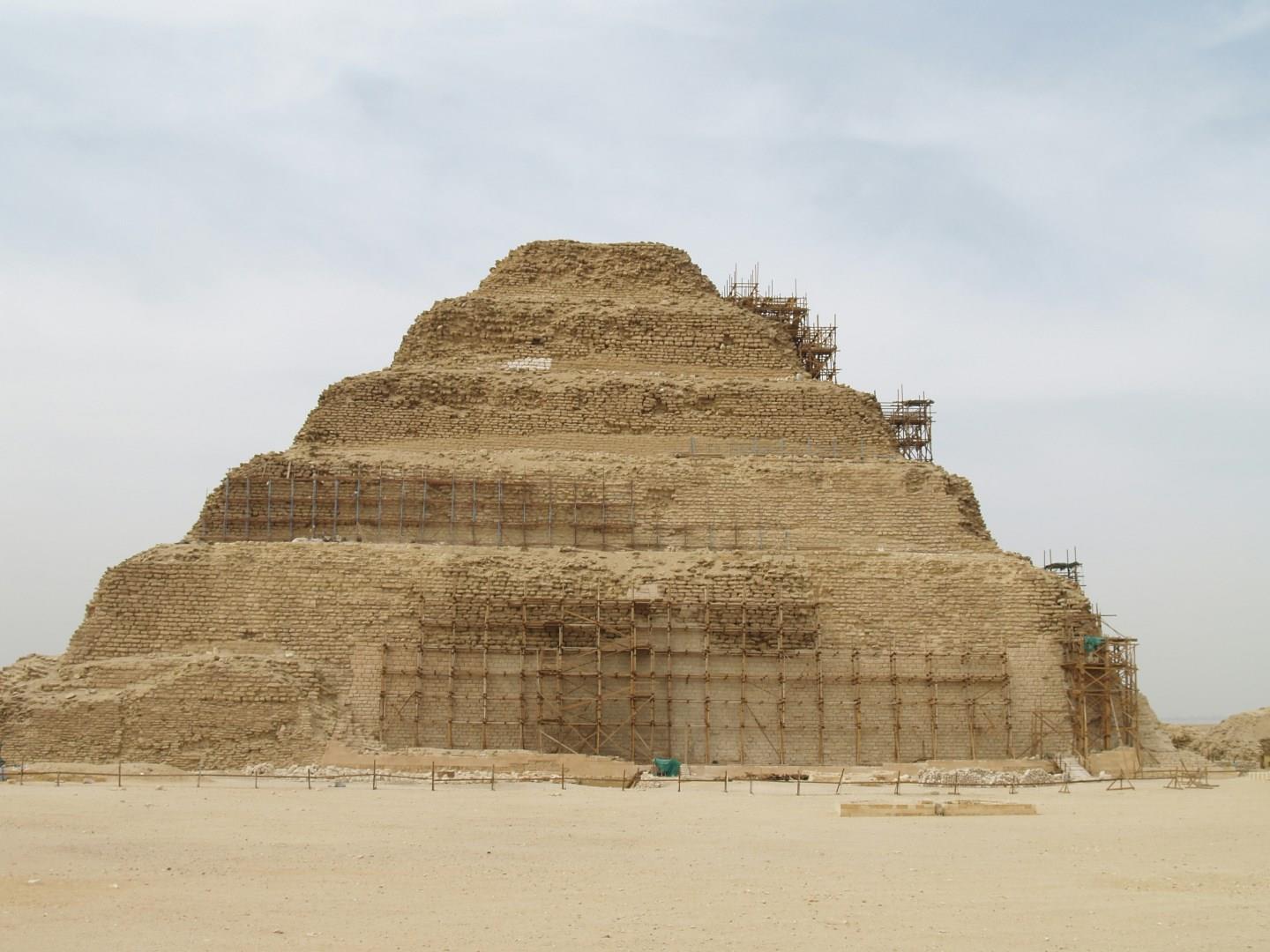
Sakkara
Sakkara, located just south of Cairo, is one of Egypt’s most important archaeological sites and the vast necropolis of the ancient capital of Memphis. Stretching over seven kilometers, it served as a burial ground for pharaohs, nobles, and high officials across multiple dynasties.

Innsbruck
Located in western Austria, Innsbruck is a charming European destination on the banks of the Inn River. A popular stop for skiing, Innsbruck is nestled within the Alps and offers a variety of cable cars to whisk you to the mountains for outdoor sports and spectacular views of the Innsbruck below.
