
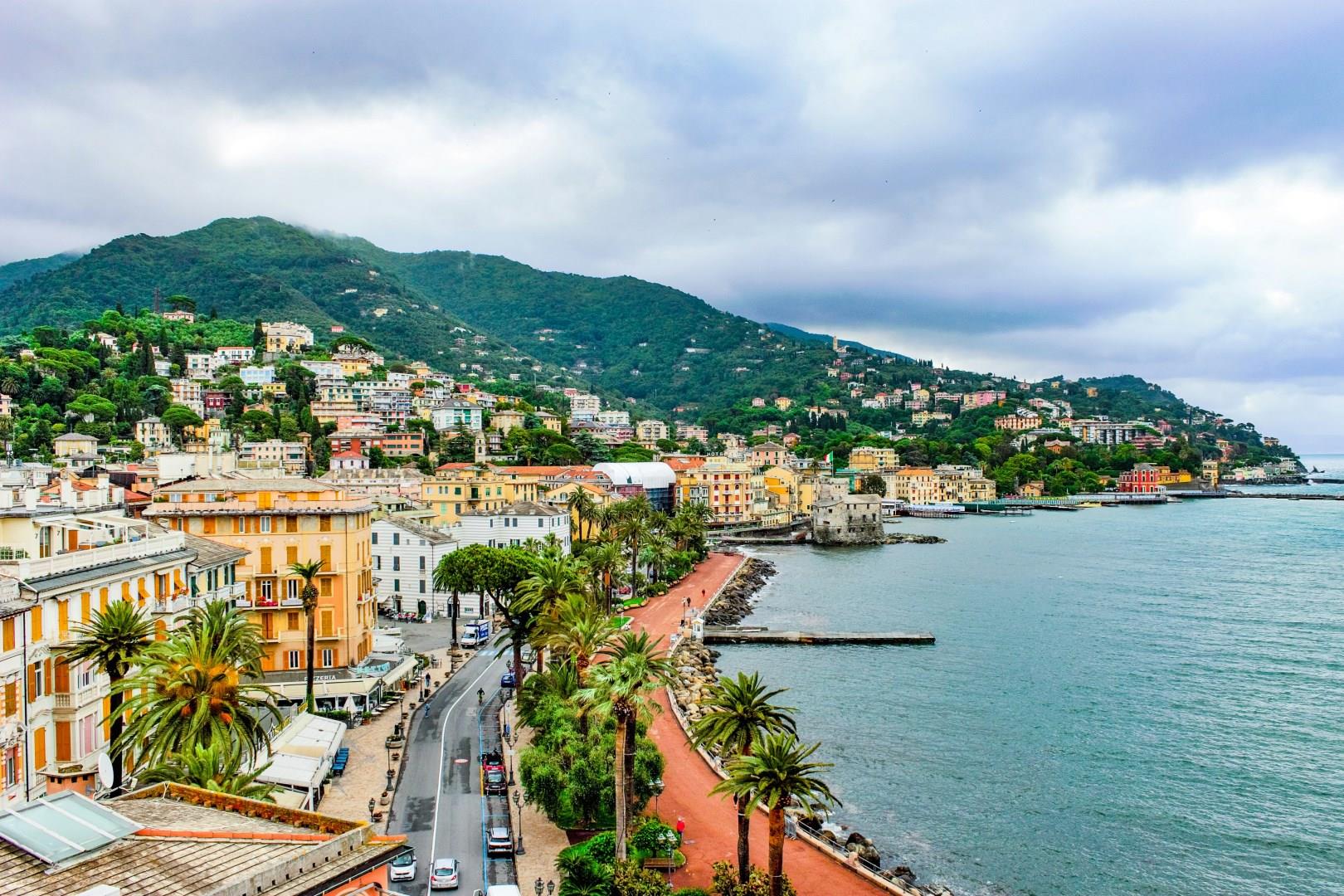
Rapallo
Rapallo, set along Italy’s Ligurian coast between Portofino and Chiavari, is a seaside town that combines history, elegance, and Riviera charm.

Limerick
Nestled along the banks of the majestic River Shannon in western Ireland, Limerick is a city where history and modern life blend seamlessly, offering a unique and authentic Irish experience that captures the charm and spirit of the Emerald Isle. With origins stretching back to the Viking era, Limerick offers an intriguing glimpse into the past with plenty to explore.

Jurassic Coast
The Jurassic Coast, a UNESCO World Heritage Site, is a breathtaking stretch of England’s southern coastline that spans 95 miles from Exmouth in Devon to Studland Bay in Dorset. It is renowned for its dramatic cliffs, stunning beaches, and incredible geological history, offering visitors the chance to explore 185 million years of Earth’s evolution.

Panama Canal
An essential passageway between the Atlantic and Pacific Oceans, the Panama Canal is an extraordinary technological landmark and a testament to human innovation. Built in the early twentieth century by American engineers, the canal weaves through the Panamanian isthmus and allows easy access for commercial freighters and cruise ships alike.

Menton
Menton, known as the "Pearl of France," is a sun-soaked gem nestled along the French Riviera, bordering Italy. With its charming pastel-colored facades cascading down the hillside and its deep blue Mediterranean backdrop, Menton exudes an irresistible allure. The city's unique microclimate, warmer than the surrounding area, has earned it a reputation as a haven for lush gardens.
