

Montepulciano
Nestled in the rolling hills of Tuscany, Montepulciano is a quintessential Italian hill town that offers visitors a perfect blend of Renaissance architecture, fine wine, and stunning vistas. Famous for its Vino Nobile di Montepulciano, this town is a paradise for wine lovers. Touring local vineyards, such as Cantina Contucci, and sampling the region’s prestigious red wines is an experience that transports you into the heart of Tuscany’s wine heritage.
Quetzaltenango
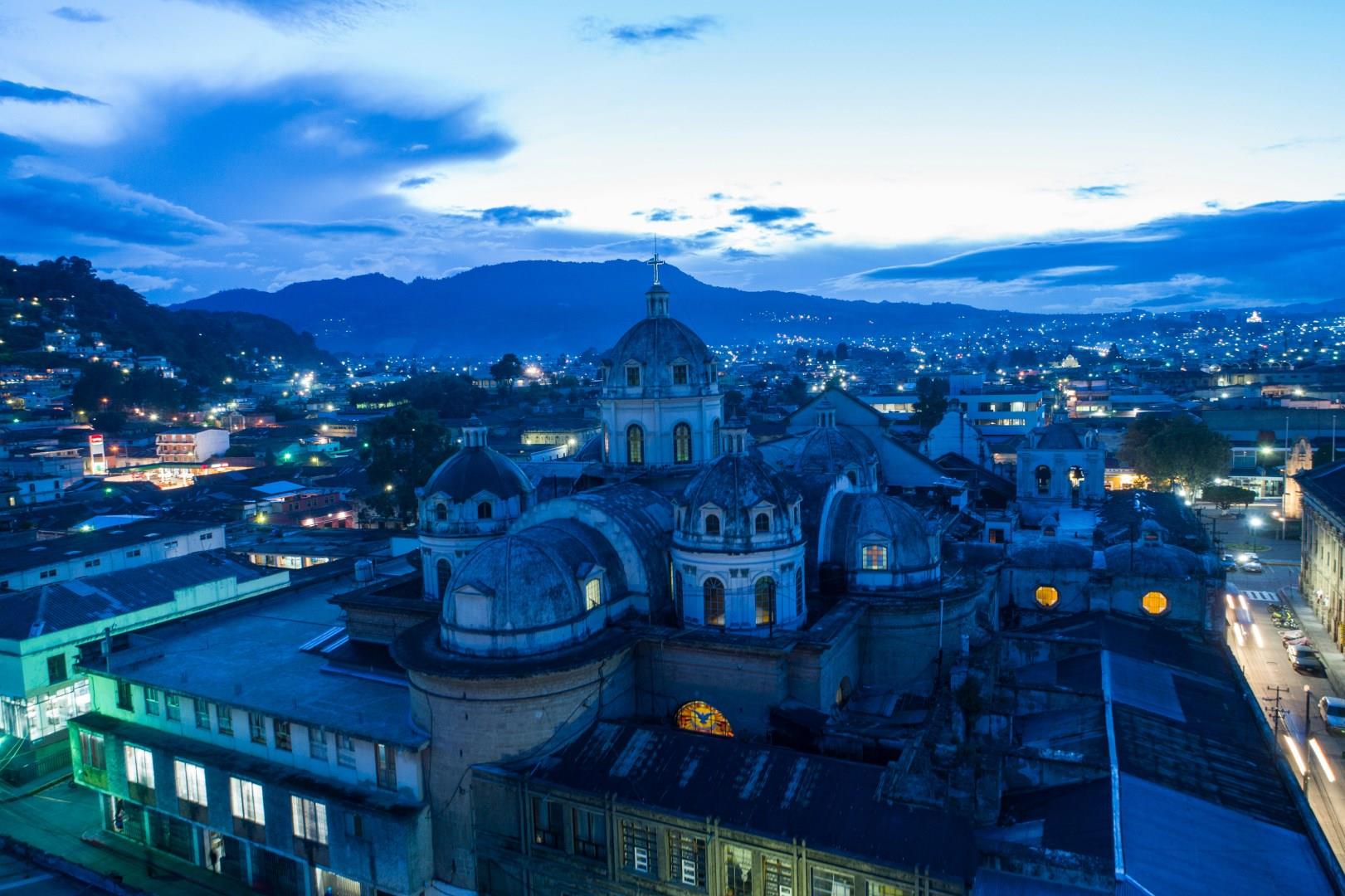
Quetzaltenango, often called Xela by locals, is Guatemala’s second-largest city and a hub of indigenous culture, colonial history, and highland landscapes. Surrounded by volcanoes, including the towering Santa María, the city sits at over 7,600 feet above sea level, giving it a crisp mountain climate that contrasts with the country’s tropical lowlands.
Royal Naval Dockyard
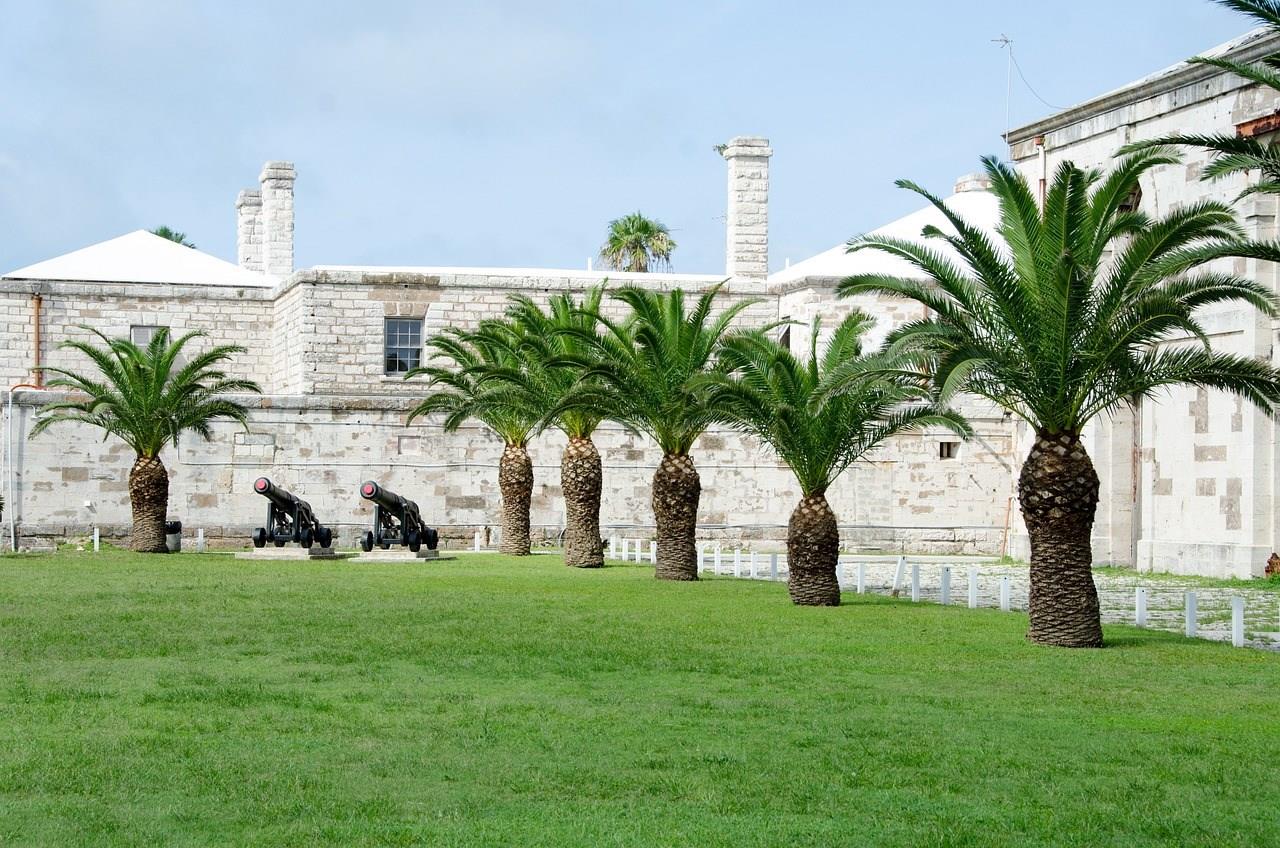
The Royal Naval Dockyard in Bermuda stands as a testament to the island's maritime history and naval heritage. Located at the western tip of Bermuda, this historic site was once a major naval base for the British Royal Navy and is now a thriving hub of culture, history, and tourism. The Dockyard's impressive buildings, including the Commissioner's House and the historic fortifications, offer a glimpse into Bermuda's naval past.

Cologne
This cultural capital and university city holds more than 2,000 years of history and is the cultural hub of Germany. Marvel at the gorgeous twin-spired Cologne Cathedral, known for its gilded medieval reliquary and sweeping river views, or lose yourself in one of Colonge's many museums for a few hours. Cologne boasts of having most pubs per person in Germany, so make sure you sit down for a refreshing regional Kölsch beer during your travels!

Killarney
Killarney - Ireland's most vibrant town. Located in the Southwestern region of Ireland, in County Kerry, Killarney is a renown stop on the famed "Ring of Kerry" journey.
