
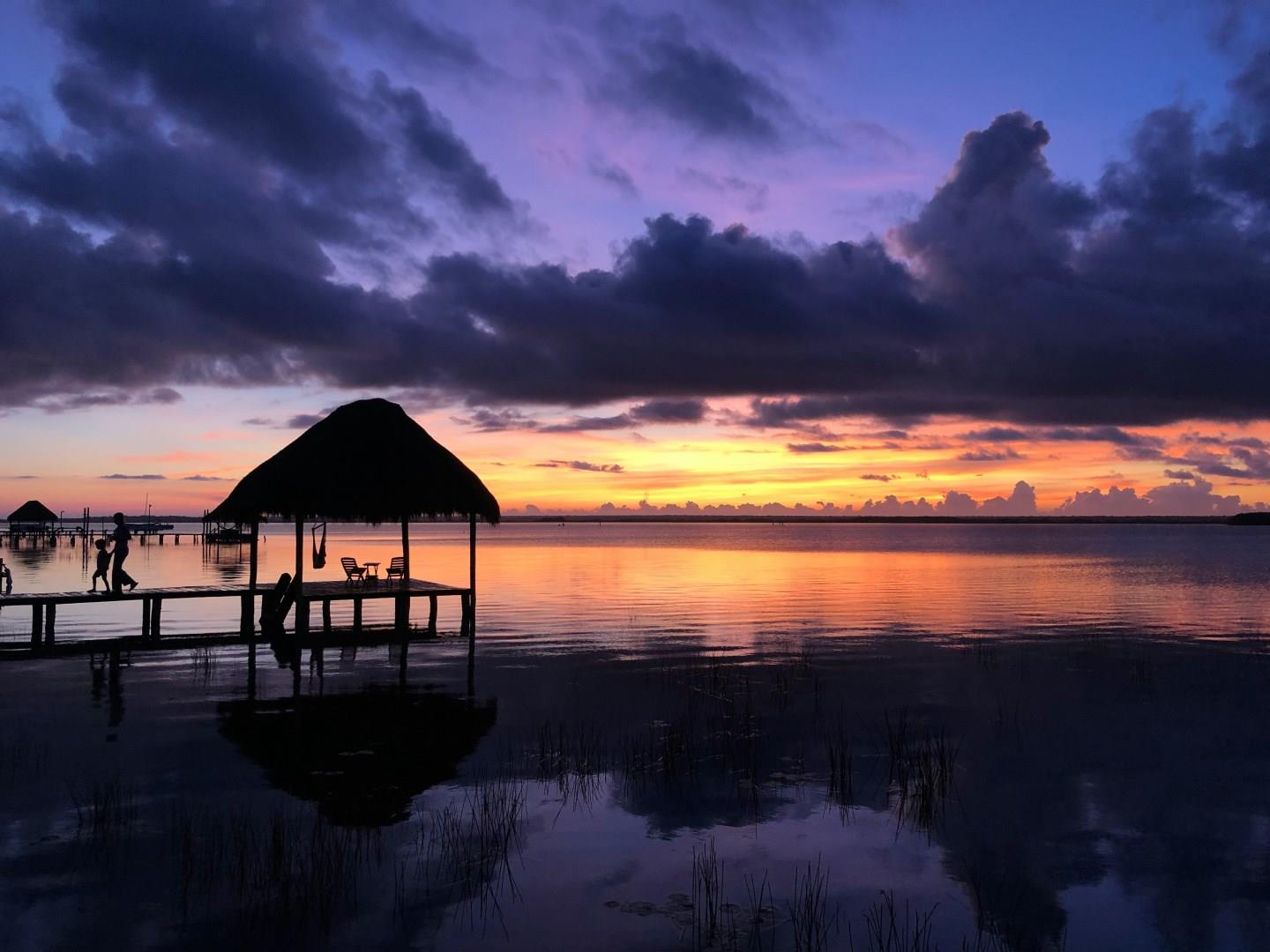
Bacalar
Bacalar sits on the tranquil shores of Laguna de Bacalar in southern Quintana Roo, Mexico, and has been a meeting place for people and cultures for centuries. Its name comes from the ancient Maya phrase Sian Ka’an Bakhalal, meaning “where the sky is born,” a reminder of how deeply this place figures in regional history and identity.

Cusco
Cusco once served as the heart of the Inca Empire, and that legacy still shapes every corner of the city even as it serves as a gateway to Machu Picchu. Outside the historic center, the ruins of Sacsayhuamán overlook the city from a nearby hilltop. This ceremonial complex is best known for its massive zigzag stone walls, some weighing over 100 tons. During the Inti Raymi festival in June, thousands gather here to reenact ancient Andean rituals.

Death Valley
Death Valley, California, is a land of extremes that captures the imagination with its striking desert landscapes and surreal beauty. Located in the Mojave Desert, it is the hottest, driest, and lowest national park in the United States. Visitors are drawn to its iconic features, such as the vast salt flats of Badwater Basin, which at 282 feet below sea level, mark the lowest point in North America.

Lake Nakuru National Park
Lake Nakuru National Park is located in the heart of the Great Rift Valley. The Park encompasses the alkaline Lake Nakuru and has earned fame as the greatest bird spectacle in the world. The gathering of hundreds of thousands of greater and lesser pink flamingos.

Milford Sound
Milford Sound, located in New Zealand’s Fiordland National Park, is often described as one of the most awe-inspiring landscapes in the country. Carved by glaciers during the Ice Age, the fjord is framed by sheer cliffs that plunge into deep waters, with iconic peaks like Mitre Peak rising dramatically above the sound.
