

St. Kitts and Nevis
St. Kitts and Nevis, a twin-island nation in the Leeward Islands of the Caribbean, offers a rare combination of lush landscapes, colonial history, and vibrant local culture.
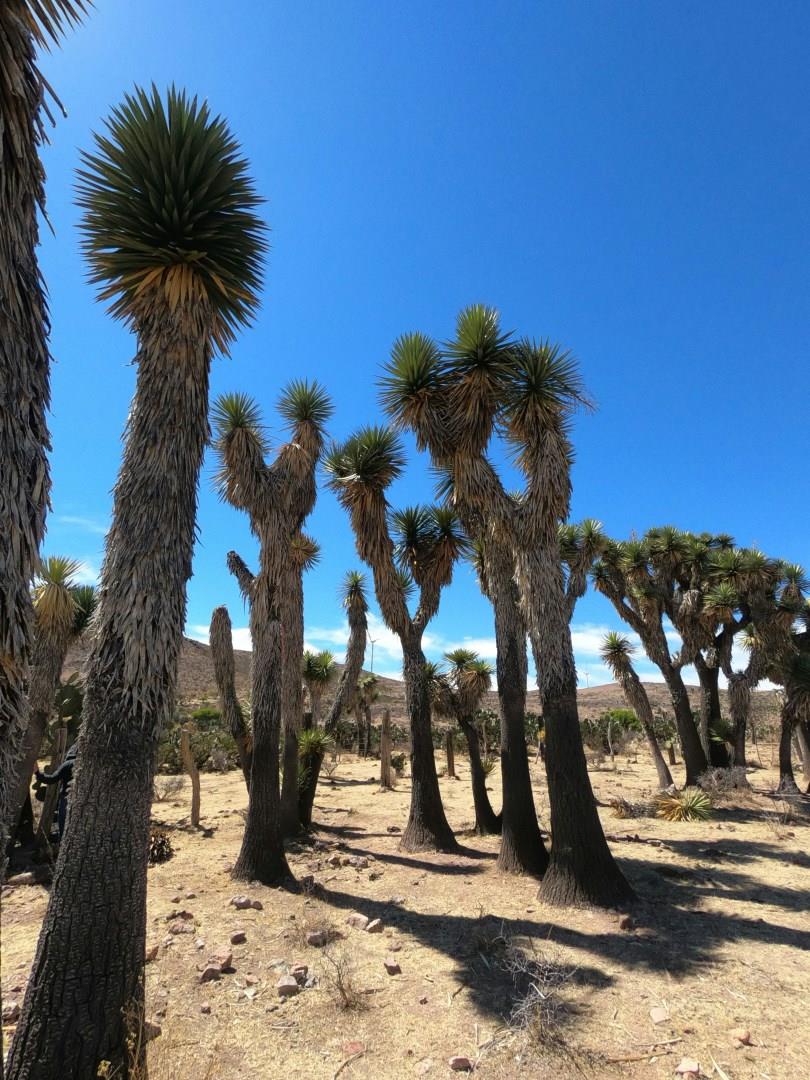
Zacatecas
Zacatecas, built into the slopes of a narrow ravine in north-central Mexico, is a city with a deep mining past and a striking skyline. The historic center, a UNESCO World Heritage Site, is known for its pink cantera stone buildings, narrow alleys, and impressive baroque facades. The Cathedral Basilica of Zacatecas, completed in 1752, stands as one of the most detailed examples of Mexican baroque architecture, with hundreds of carved figures covering its sandstone exterior.

Windhoek
Windhoek, the capital city of Namibia, is a vibrant and cosmopolitan hub nestled in the heart of the country. With its mix of German colonial architecture and modern African charm, Windhoek offers visitors a unique blend of history and contemporary culture. The city’s skyline is dominated by the striking Christuskirche, a Lutheran church built in 1907, which stands as a symbol of Namibia's German colonial past.

Padua
Padua, a hidden gem in Northern Italy’s Veneto region, is a city where medieval splendor meets a vibrant modern atmosphere. Known for its ancient university, founded in 1222, Padua is one of the oldest and most prestigious in the world, having nurtured the minds of great scholars like Galileo Galilei.
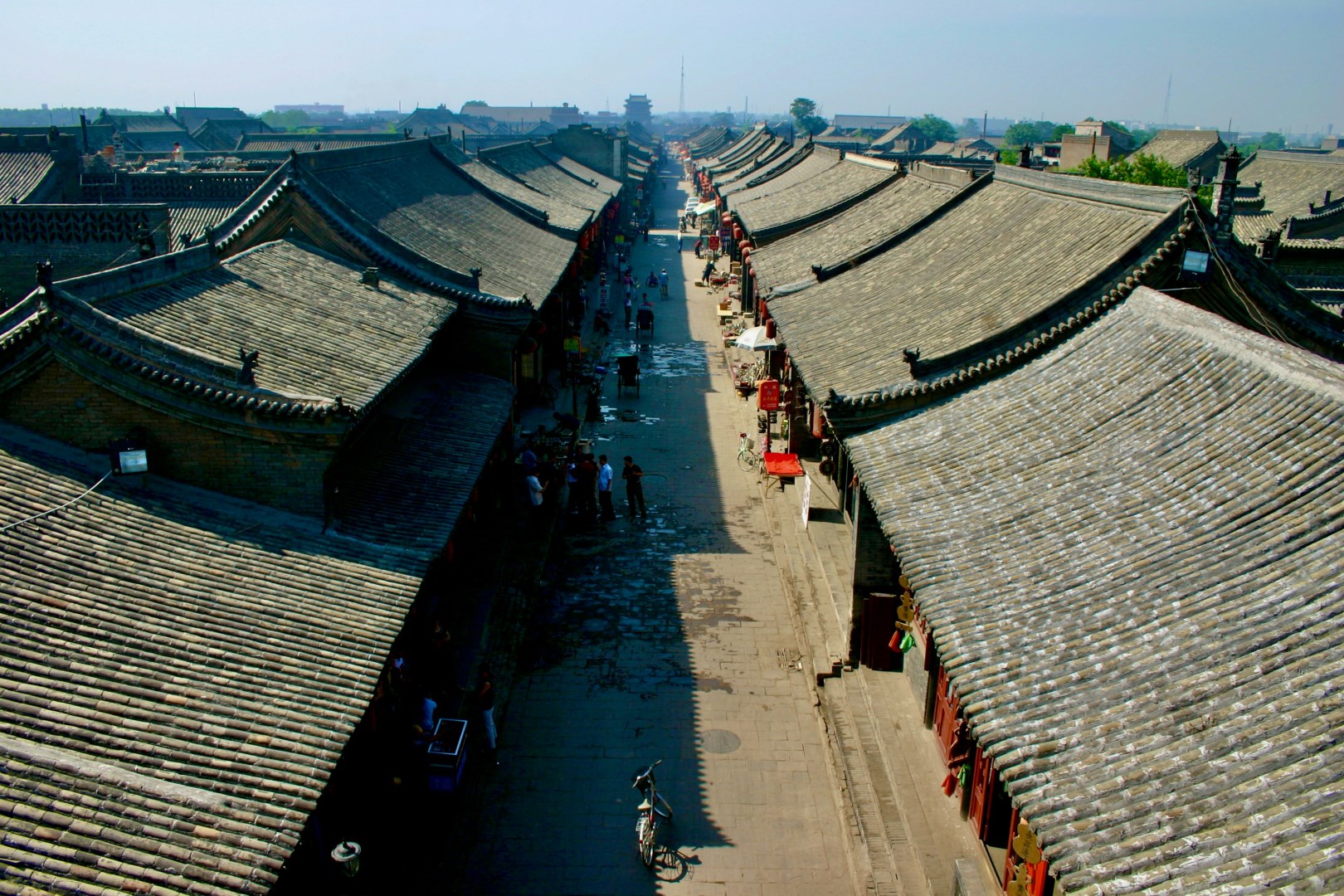
Pingyao
Pingyao, a city steeped in ancient charm, offers a remarkable glimpse into China’s rich history. This well-preserved city, a UNESCO World Heritage Site, is renowned for its classical ancient architecture, which remains largely intact since the Ming and Qing dynasties. Wander through the Pingyao Ancient City Wall, a formidable structure that encircles the city and provides panoramic views of the surrounding landscape.
