
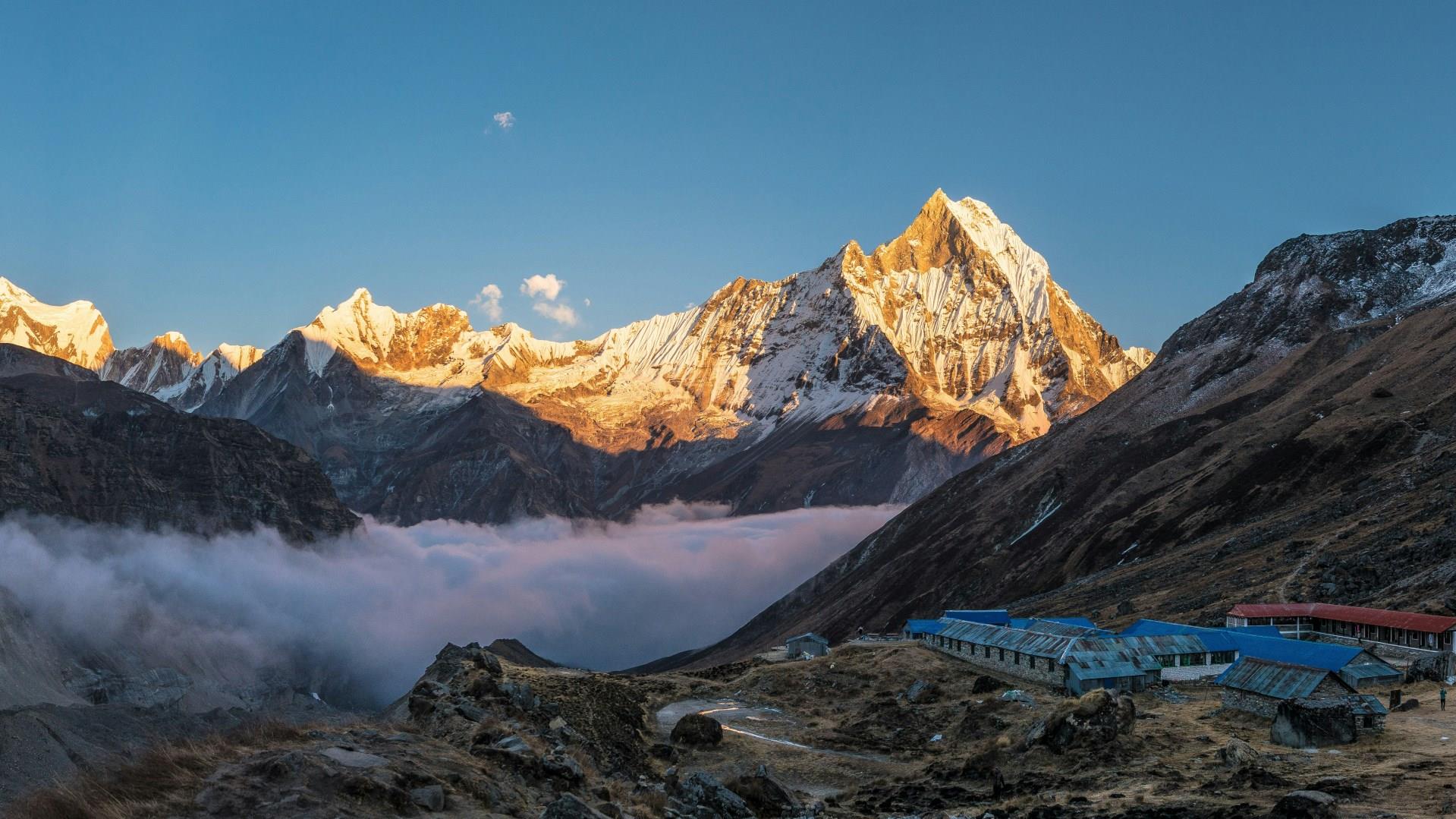
Annapurna
The Annapurna region of central Nepal is defined by both cultural depth and extreme topography. Home to a wide range of ethnic communities, including Gurung, Thakali, and Manangi peoples, the area has long been shaped by trans-Himalayan trade routes and mountain agriculture.
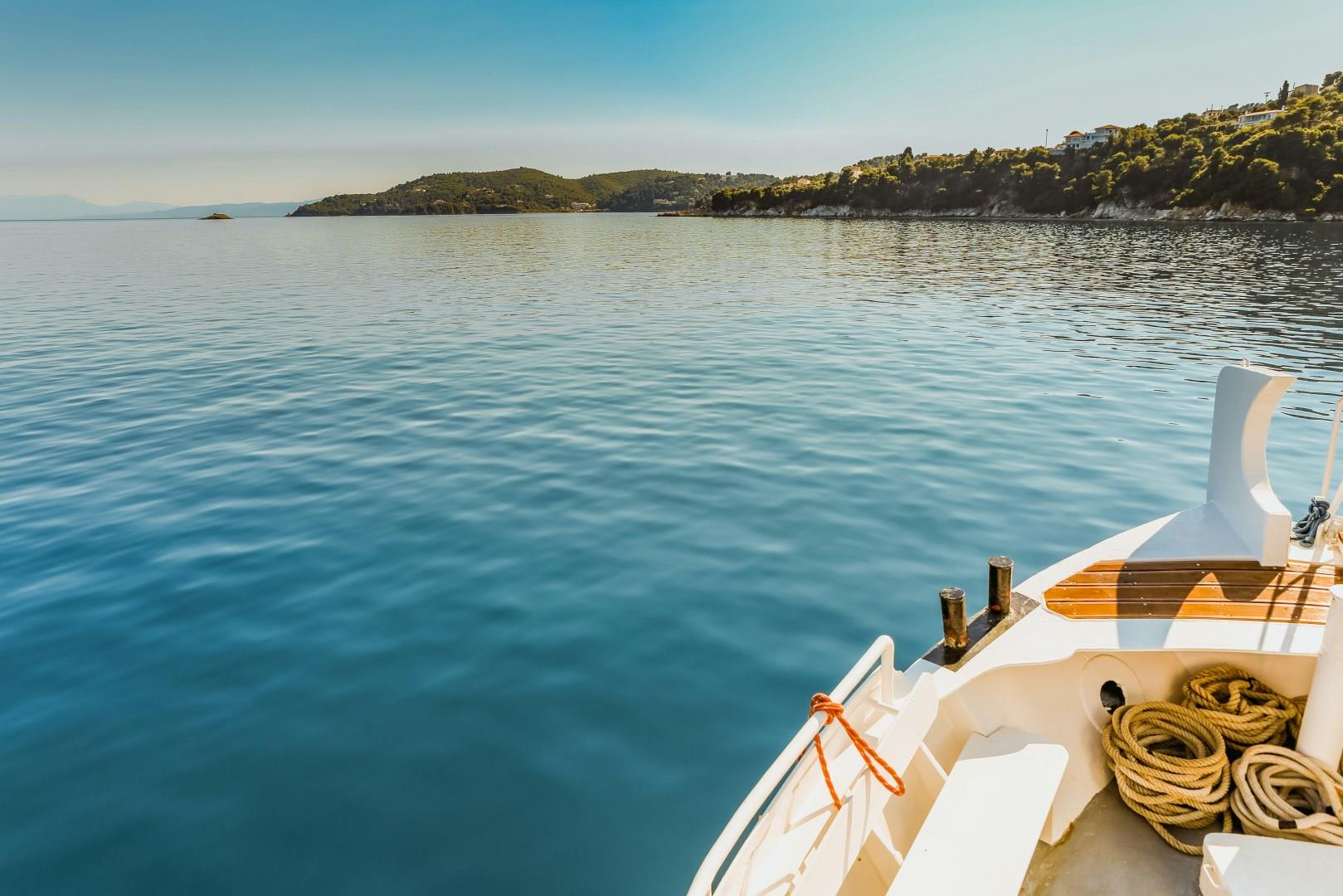
Skíathos
Skiathos, a gem in the Aegean Sea, is one of Greece's most enchanting islands. Known for its stunning beaches, vibrant nightlife, and lush landscapes, Skiathos is a must-visit for travelers seeking both relaxation and adventure. The island boasts over 60 sandy beaches, with Koukounaries Beach standing out as one of the most beautiful, surrounded by a dense pine forest that creates a unique blend of sea and greenery.
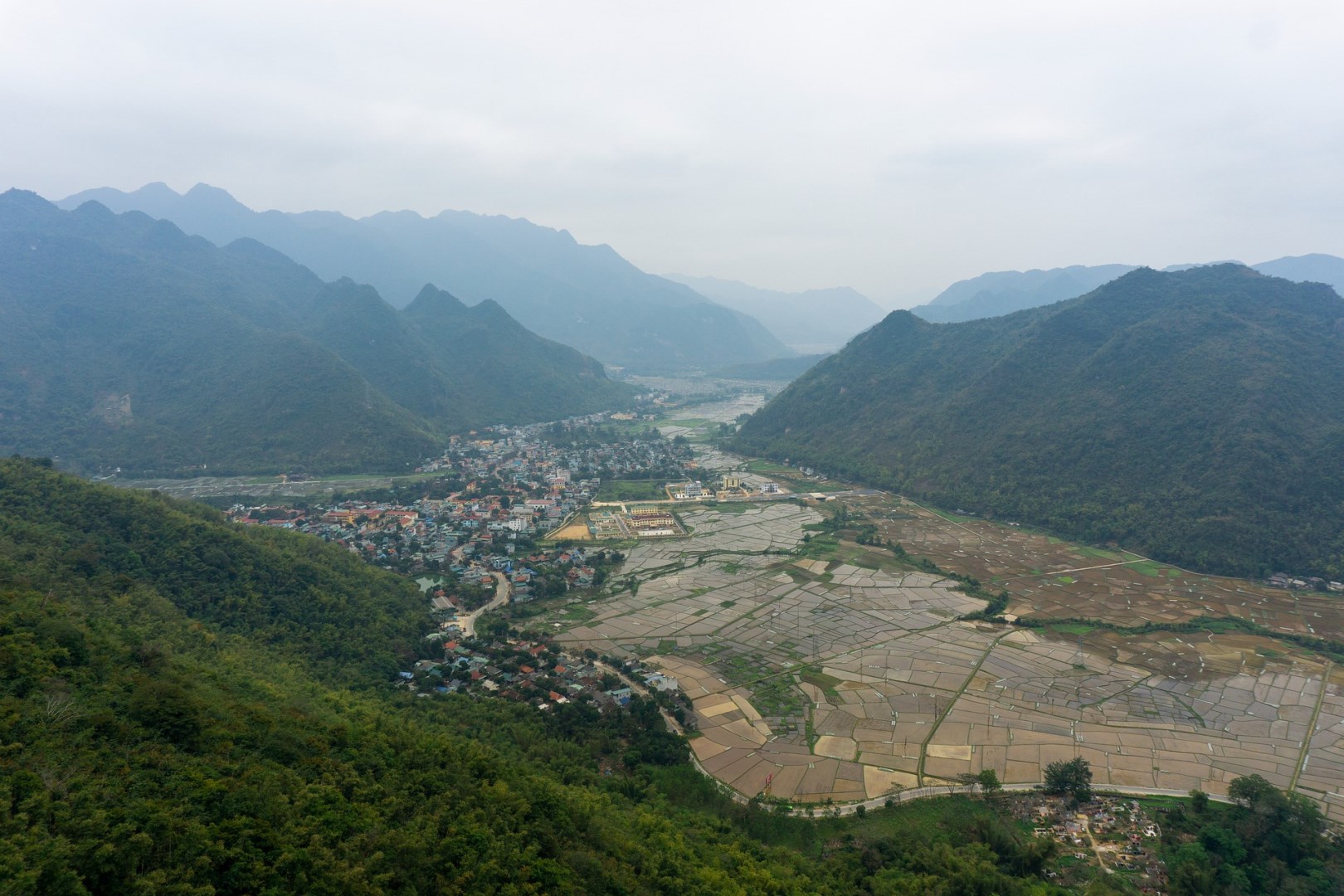
Mai Chau
Mai Chau is a rural valley in Hoa Binh Province in northern Vietnam, located several hours west of Hanoi and surrounded by limestone mountains and rice fields. The area is known for its quiet villages, elevated wooden stilt houses, and the daily life of the White Thai ethnic community.

Stone Town
As a UNESCO World Heritage site, Stone Town boasts narrow, winding streets lined with towering stone buildings adorned with beautifully carved wooden doors, reflecting its rich history as a major trading hub.
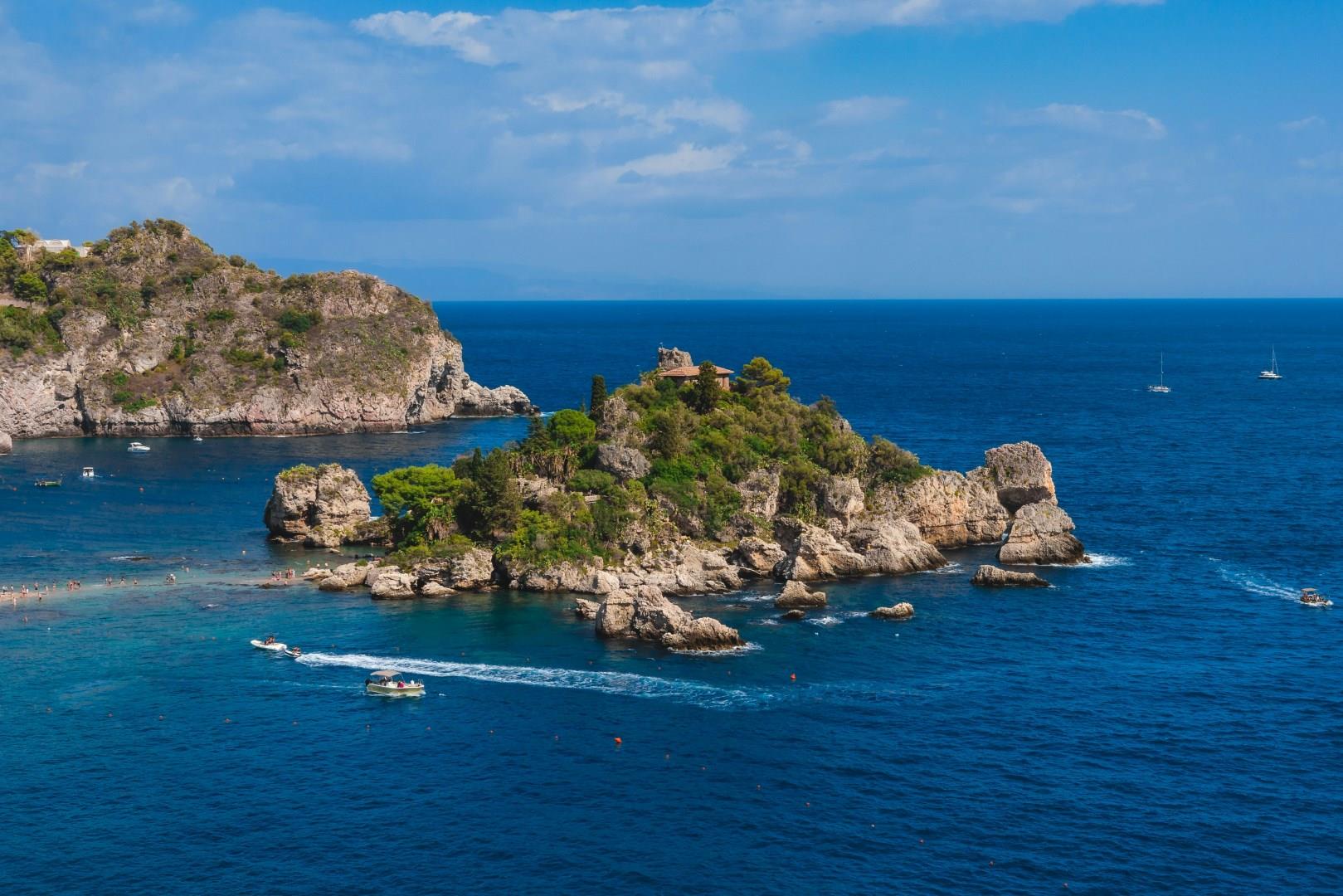
Isola Bella
Isola Bella sits on Lake Maggiore as part of the Borromean Islands, closely tied to the ambitions of the Borromeo family who reshaped the rocky outcrop in the 17th century.
