
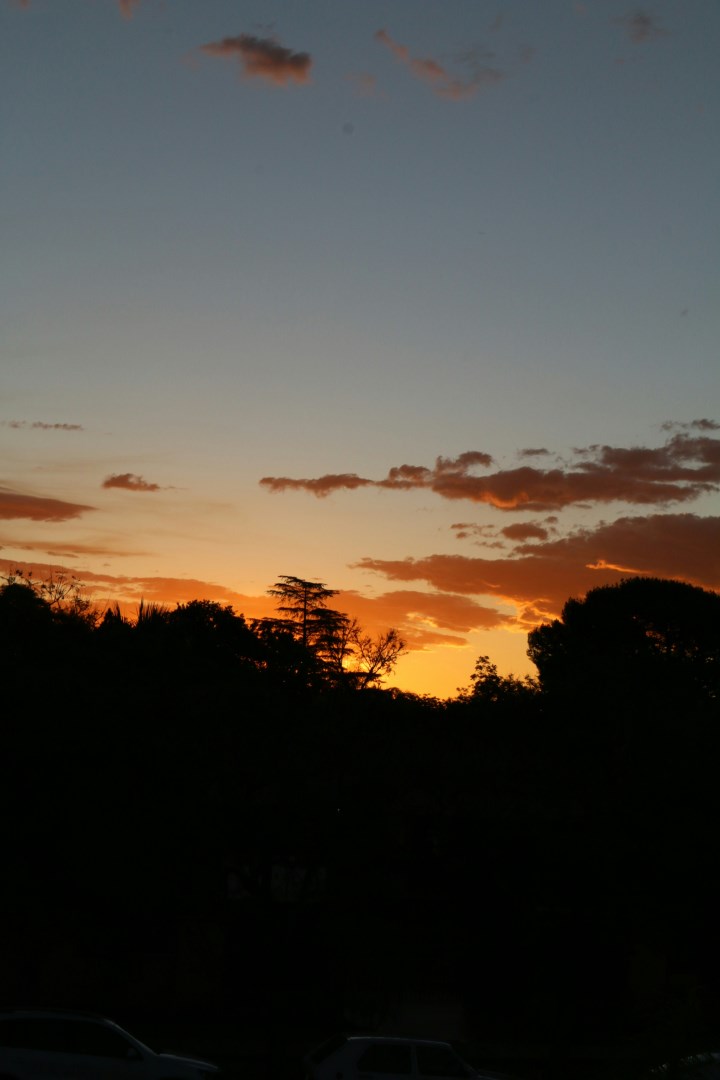
Kimberley
Kimberley is a city in South Africa’s Northern Cape province, known for its strong connection to diamond mining. It stands on a semi-arid plateau, where wide skies and dry landscapes shape daily life.
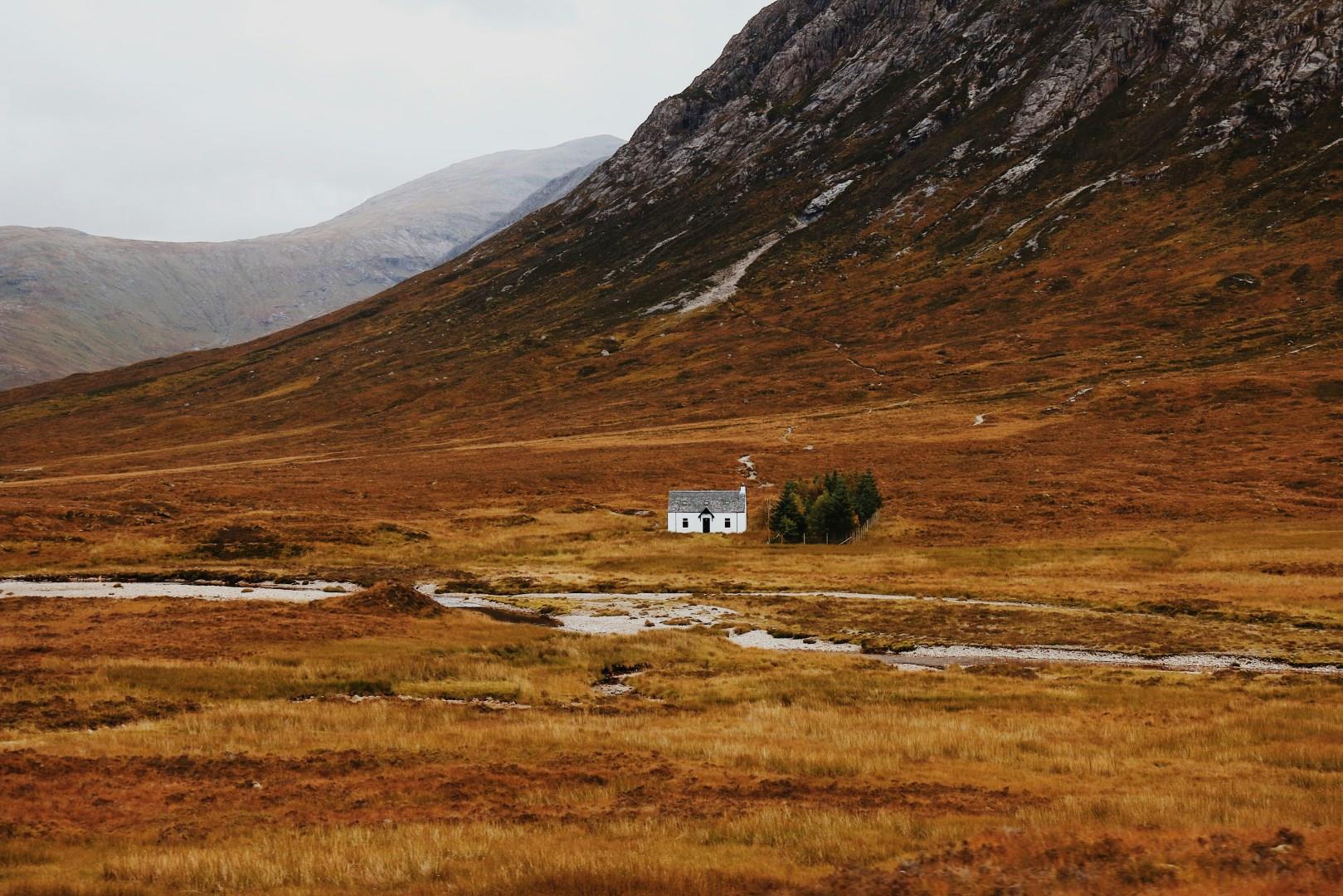
Glencoe
Glencoe lies in the western Highlands of Scotland, where a long, steep-sided valley cuts through mountains shaped by ancient volcanic activity and glaciation.
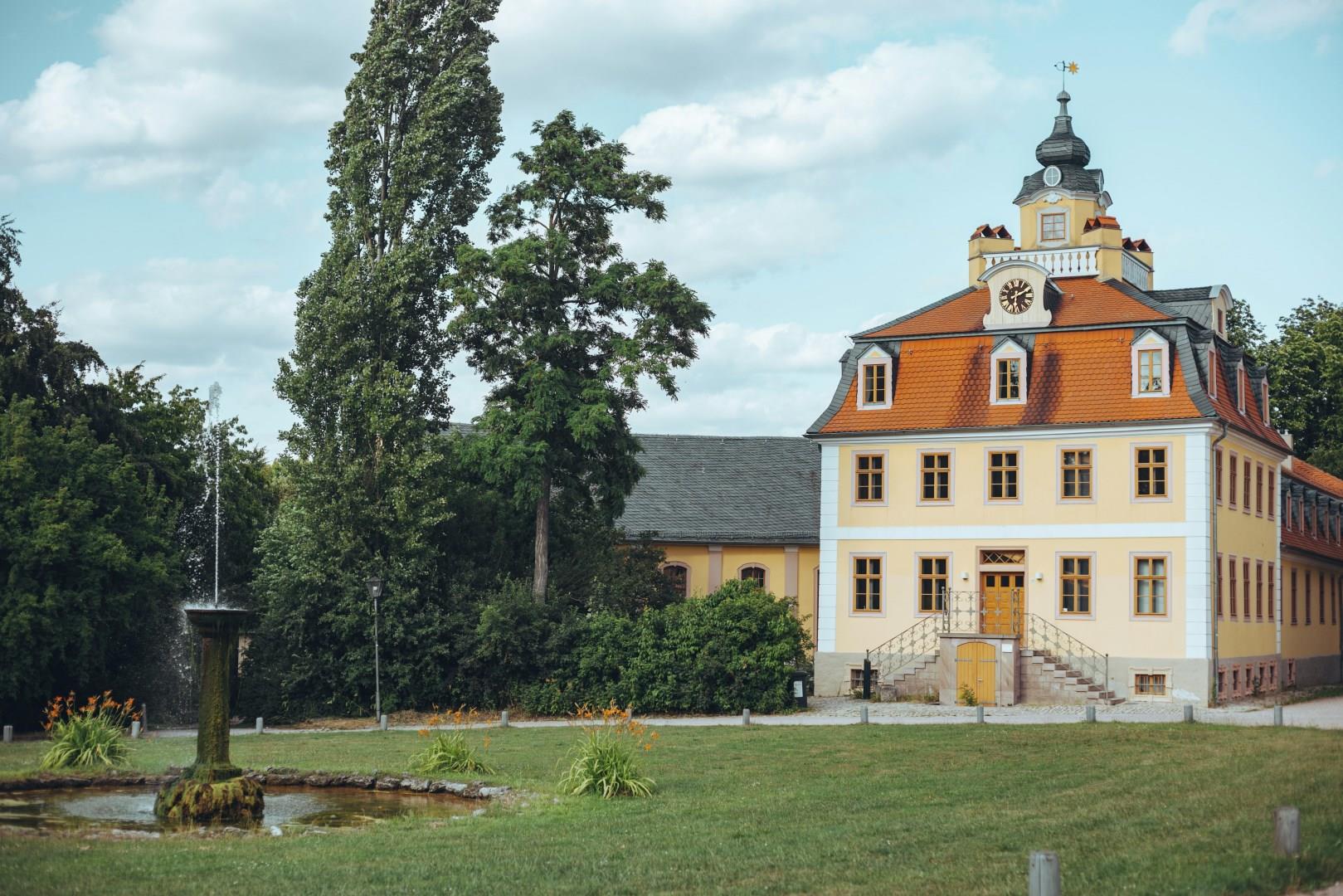
Weimar
Weimar, located in the heart of Germany’s Thuringia region, is a city renowned for its cultural heritage, classical architecture, and pivotal role in European history.

Zákynthos
Zakynthos, also known as Zante, is a Greek island that captivates visitors with its stunning natural beauty and rich cultural heritage. Renowned for its breathtaking beaches, the island's most famous attraction is Navagio Beach, also known as Shipwreck Beach. This picturesque cove, accessible only by boat, features an iconic shipwreck lying on powdery white sand surrounded by dramatic limestone cliffs and crystal-clear turquoise waters.

Kailua-Kona
Kailua-Kona, a picturesque seaside town on the west coast of Hawaii's Big Island, is a haven for travelers seeking both adventure and tranquility. Known simply as "Kona" to locals, this vibrant destination is celebrated for its rich history, volcanic landscapes, and inviting beaches. Kailua-Kona's iconic oceanfront Ali'i Drive is the heartbeat of the town, lined with charming shops, art galleries, and a plethora of dining options that range from fresh seafood to authentic Hawaiian cuisine.
