
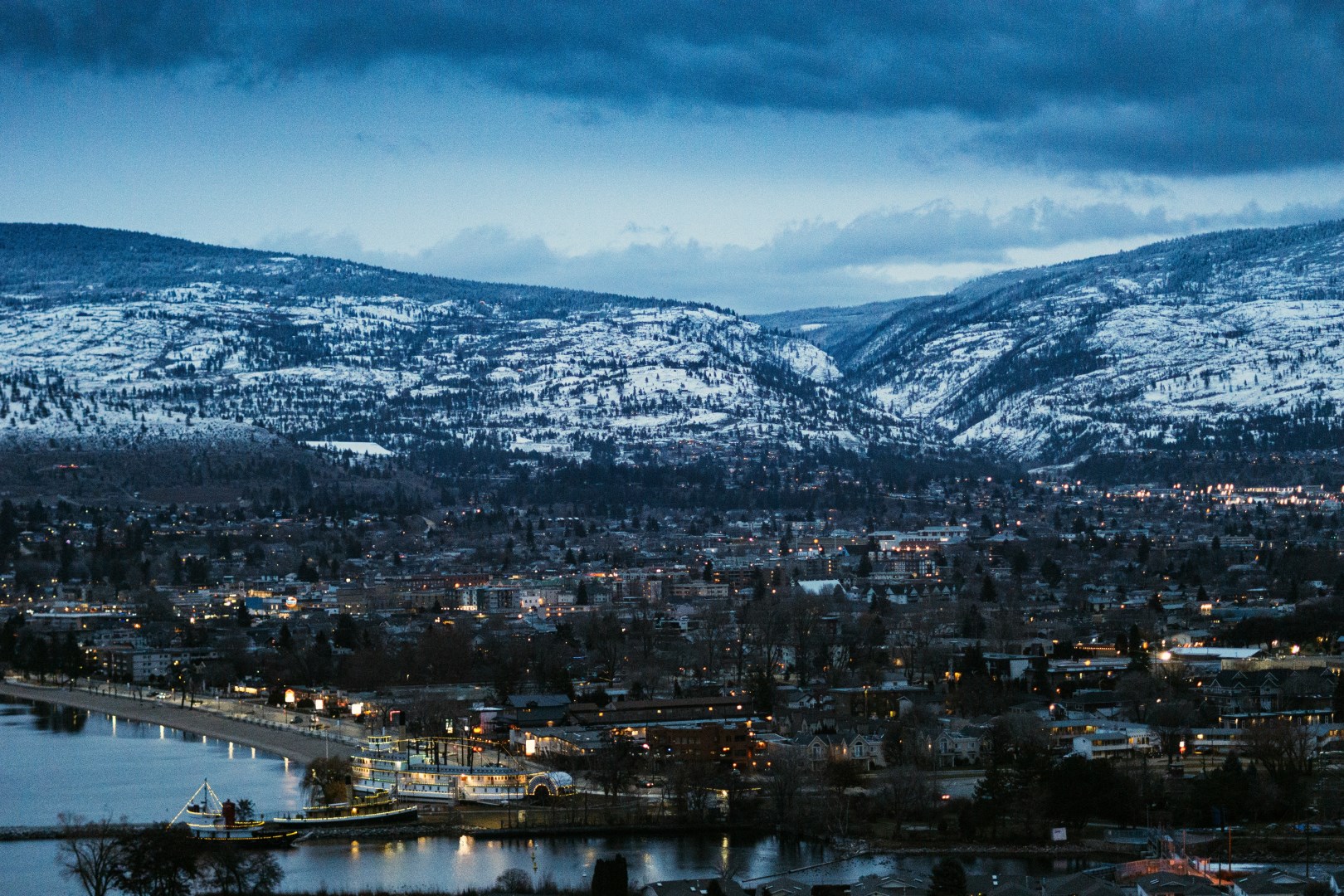
Penticton
Penticton is a city in British Columbia’s Okanagan Valley, located between Okanagan Lake and Skaha Lake. The city is known for its warm summers, long lakefronts, and strong connection to wine production and outdoor recreation.

Rhode Island
Rhode Island may be the smallest state in the U.S., but it offers an outsized variety of experiences, from colonial history to coastline escapes. Founded in 1636 by Roger Williams as a haven for religious freedom, the state still reflects its independent spirit. In Providence, travelers can visit the John Brown House Museum to explore the city’s role in early American commerce, or walk Benefit Street, lined with preserved 18th- and 19th-century homes.

Yucatan
Yucatán, a Mexican state, is popular for its Gulf of Mexico beach areas and spectacular Mayan ruins. It is bordered by the states of Campeche and Quintana Roo.
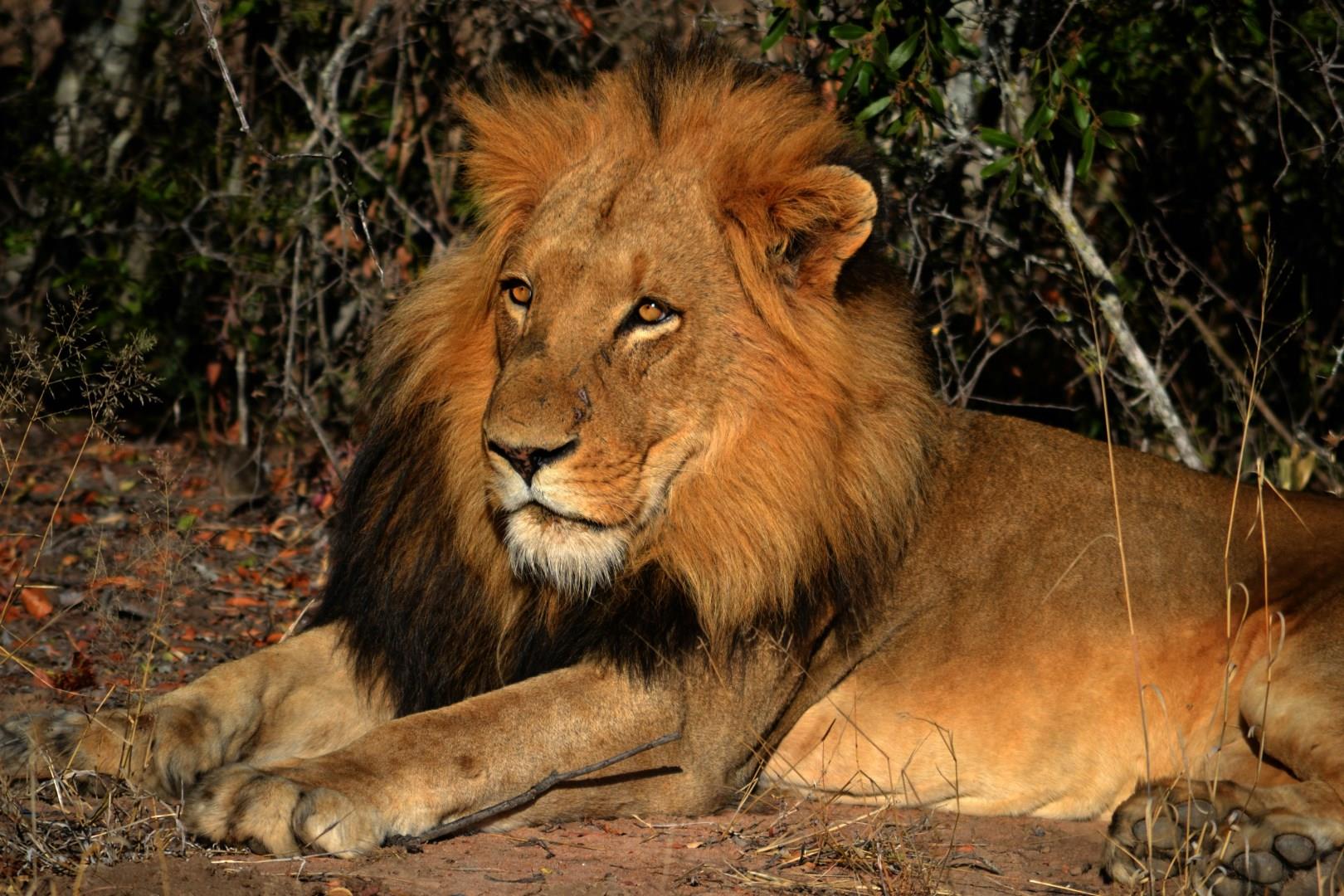
Kapama Private Game Reserve
Kapama Private Game Reserve is a vast wildlife sanctuary located in South Africa’s Limpopo province, bordering the greater Kruger region. Spanning more than 13,000 hectares, the reserve plays an important role in conservation while offering visitors an immersive experience in one of Africa’s most celebrated ecosystems.

Halifax
The capital of Nova Scotia, Halifax is a charming seaside destination in Eastern Canada. Rich in maritime history and once a major trading hub, this city boasts fresh air, lovely sunsets, and a laid-back vibe. Must-see attractions include the hilltop fort Halifax Citadel, the Victorian-era Halifax Public Gardens, and the Maritime Museum of the Atlantic.
