
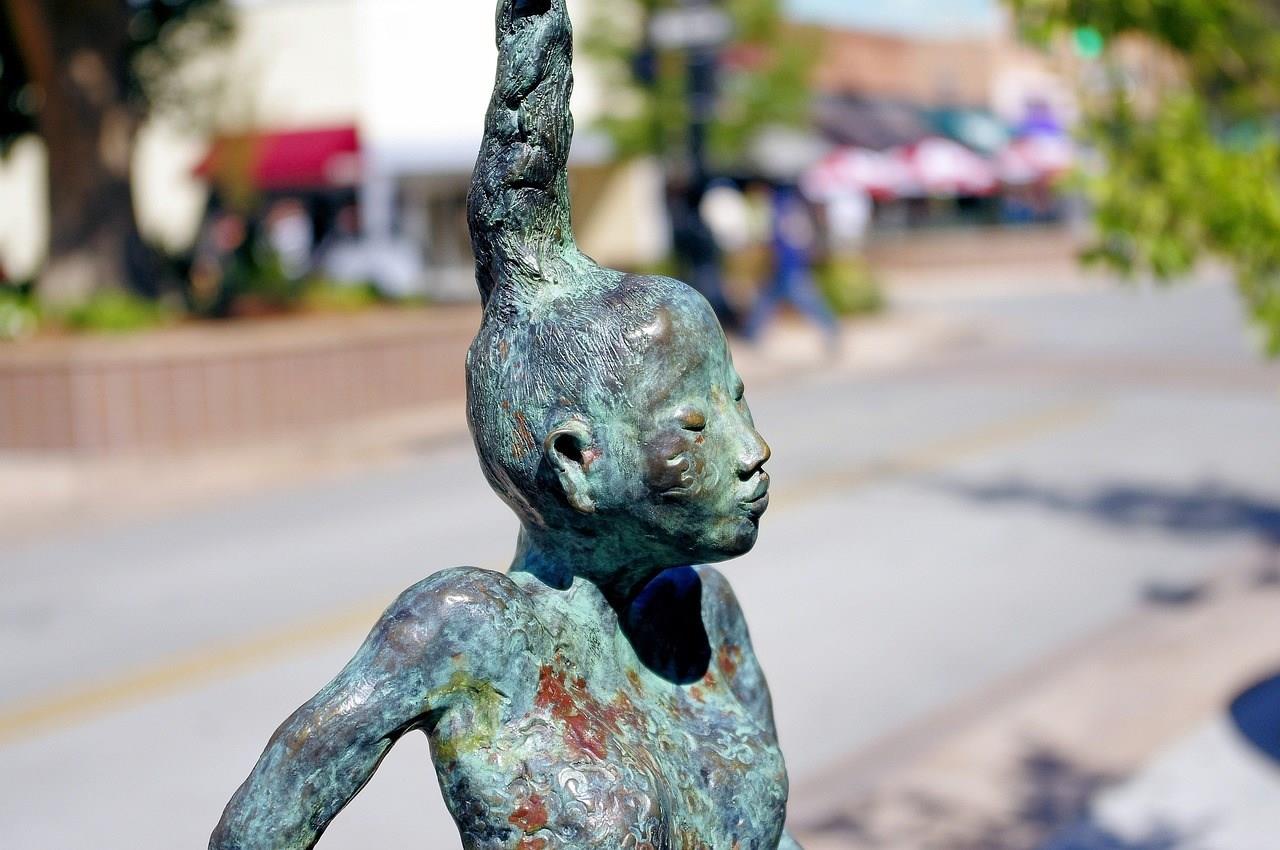
Grand Junction
Grand Junction, located on Colorado’s Western Slope, is a destination where desert canyons meet fertile vineyards and rugged plateaus overlook winding rivers. The town sits at the junction of the Colorado and Gunnison Rivers, which historically made it a vital meeting point for Native American tribes, trappers, and settlers. Today, visitors come for its striking landscapes, laid-back pace, and a growing food and wine scene that's putting this region on the map for more than just its scenery.

Santo Domingo
The capital city of the Dominican Republic is rich in history and beauty, boasting 16th-century Spanish architecture and the oldest cathedral in the Americas. The narrow streets of the old colonial city are a testament to the complex mixture of forces that contributed to the construction of the first European city in the Western Hemisphere.

Cornwall
Cornwall, a captivating coastal county in the southwest of England, offers a breathtaking blend of rugged landscapes, charming seaside villages, and rich cultural heritage. Known for its dramatic cliffs, golden beaches, and the turquoise waters of the Atlantic, Cornwall is a haven for nature lovers and adventure seekers alike. The iconic Land's End, the westernmost point of mainland England, offers sweeping ocean views and is perfect for scenic walks along the South West Coast Path.
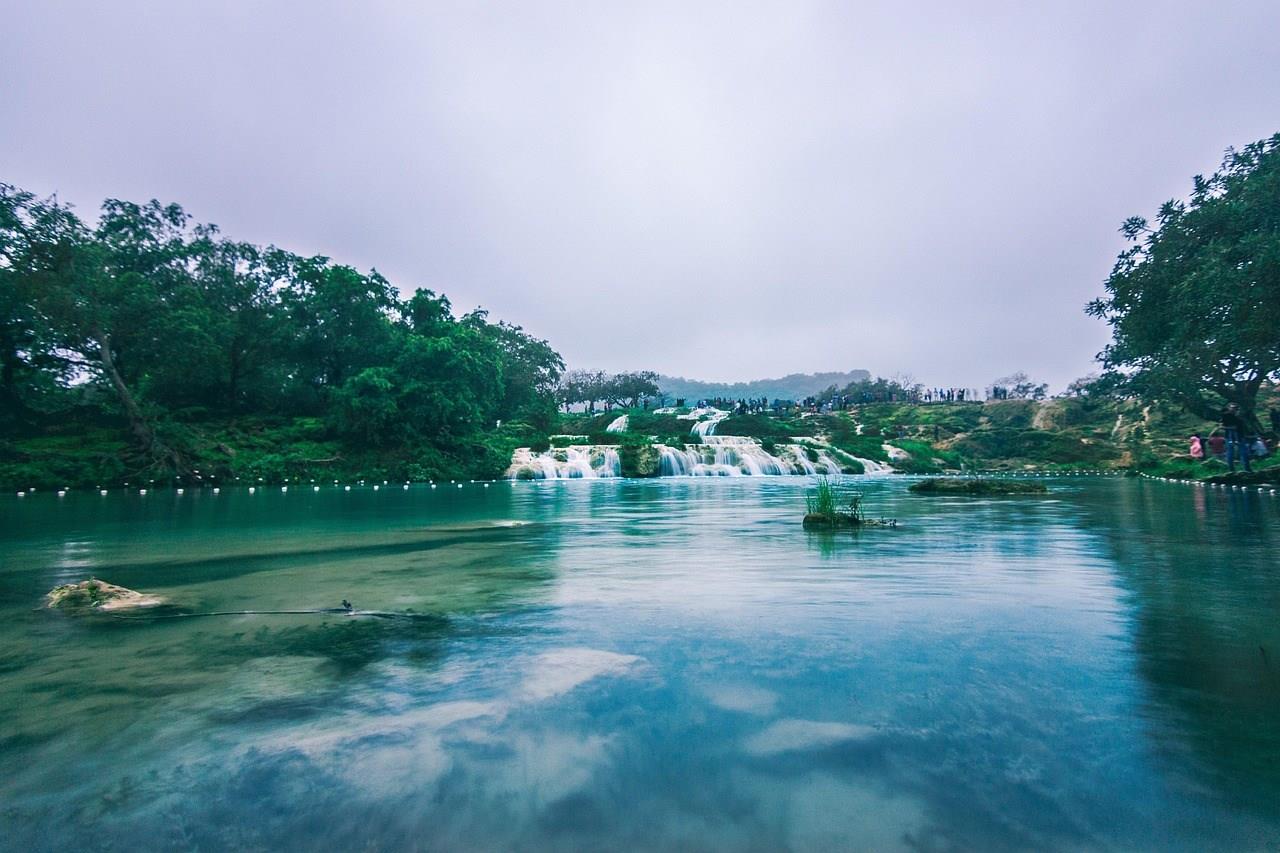
Salalah
Salalah stands out with its rare blend of desert and tropical appeal. Unlike much of the Arabian Peninsula, this coastal city is transformed by the seasonal Khareef (monsoon), turning the landscape lush and green between June and September.
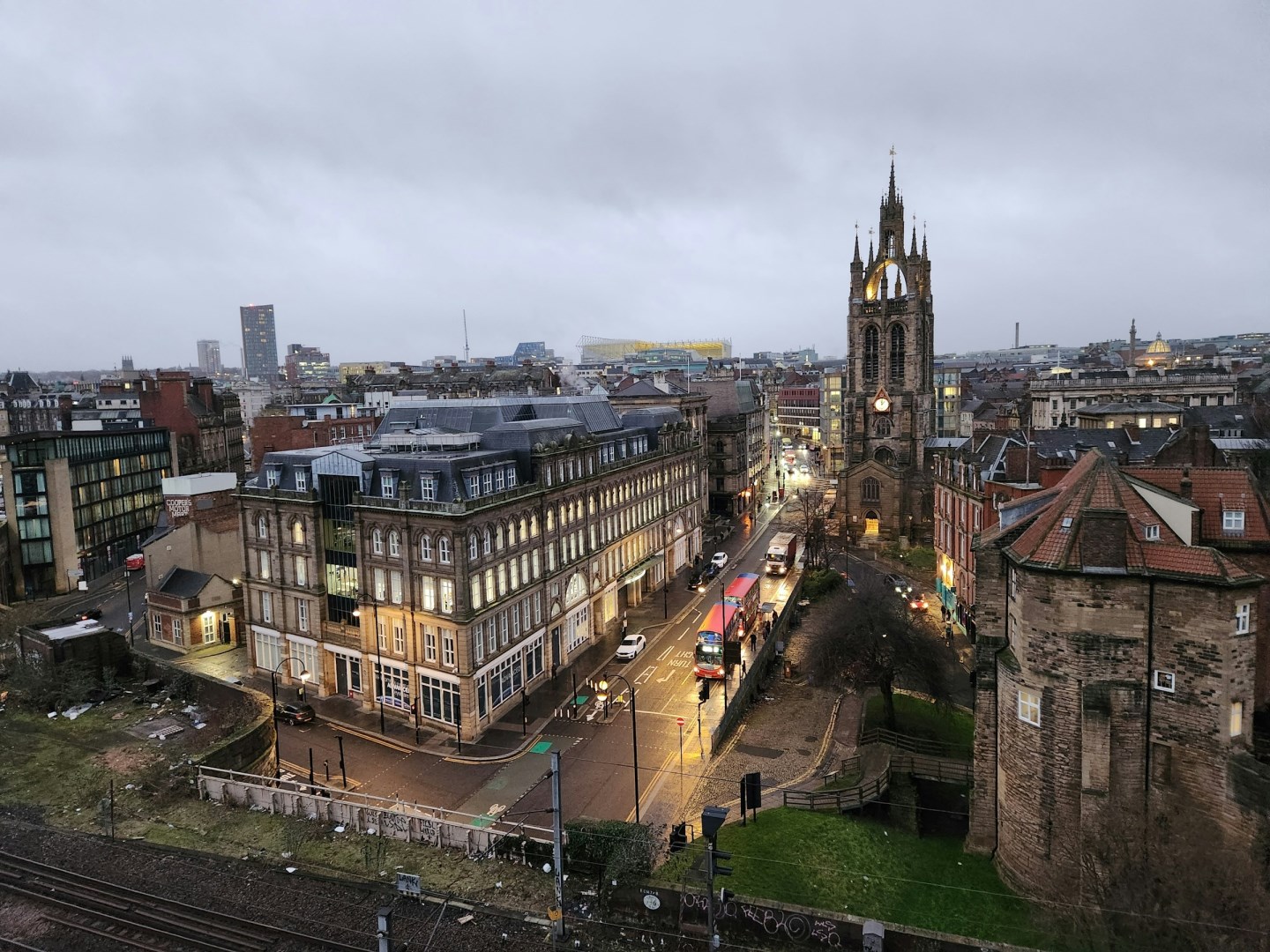
Newcastle
There's nowhere else like it in Britain. Once you reach Newcastle you know you've arrived. By road or rail - all at once everything drops from view except the Tyne Bridge. An impressive sight, the bridge is the symbol of Newcastle the world over.
