

Haiti
Haiti offers visitors a unique glimpse into a proud and resilient heritage. Its vibrant art, music, and traditions make it a destination unlike any other in the Caribbean.
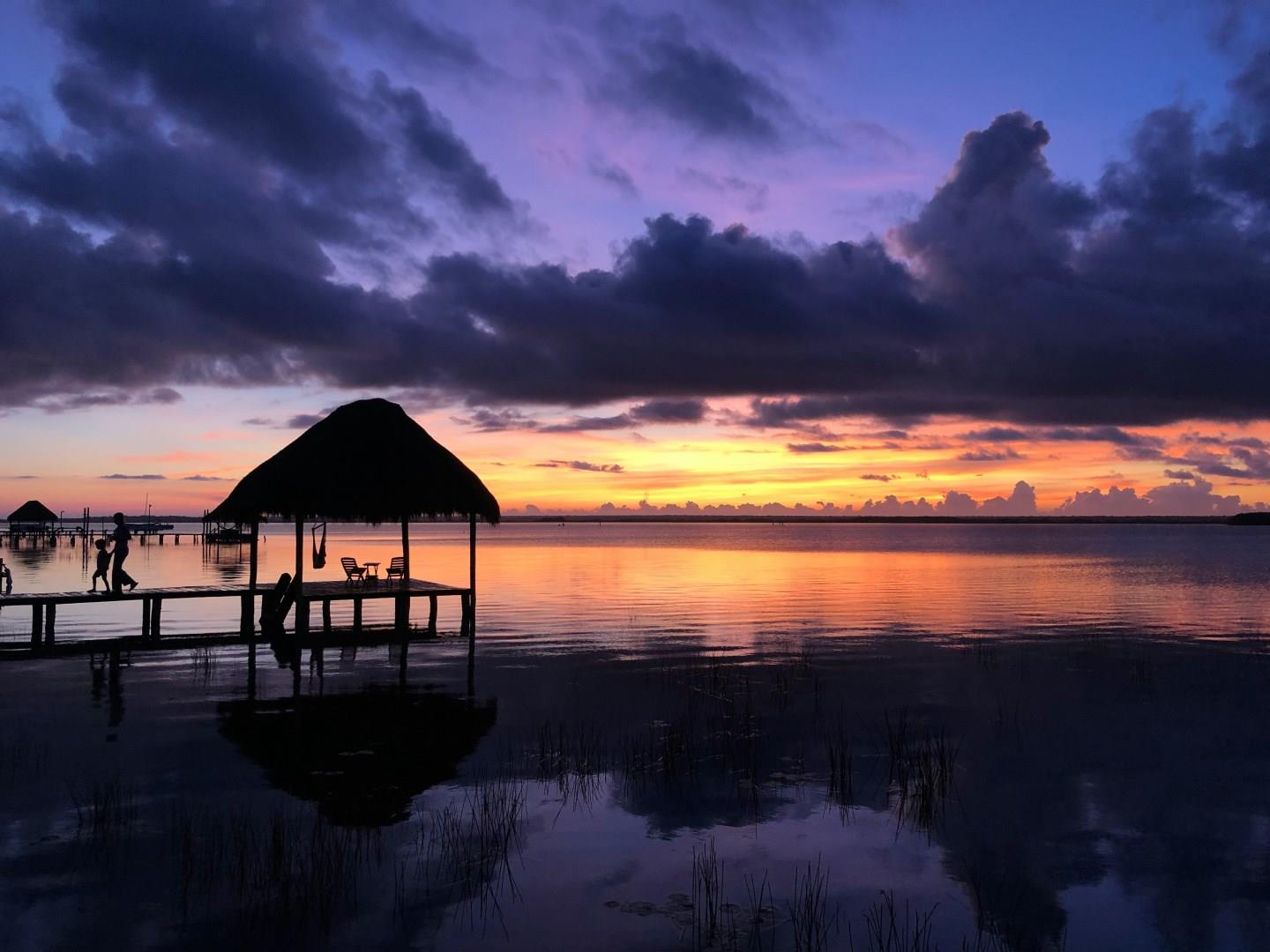
Bacalar
Bacalar sits on the tranquil shores of Laguna de Bacalar in southern Quintana Roo, Mexico, and has been a meeting place for people and cultures for centuries. Its name comes from the ancient Maya phrase Sian Ka’an Bakhalal, meaning “where the sky is born,” a reminder of how deeply this place figures in regional history and identity.

Palma
Enchanting Palma is the capital of Mallorca, Spain’s island paradise in the Balearic Sea. This picturesque town boasts historic castles and cathedrals, glittering beaches, and some of the island’s best culinary delights. Don’t let this city’s small size fool you; Palma houses truly magnificent architectural gems that make this island getaway well worth exploring.

Seattle
Seattle is a city shaped by water, mountains, and innovation. Its skyline, dominated by the Space Needle, tells only part of the story. Beneath it lies a vibrant mix of neighborhoods, each with its own character. Seattle was the birthplace of grunge music and remains a stronghold for independent arts. The Museum of Pop Culture (MoPOP), located at the Seattle Center, celebrates the city’s creative spirit with exhibits on everything from Nirvana and Jimi Hendrix to science fiction and gaming.
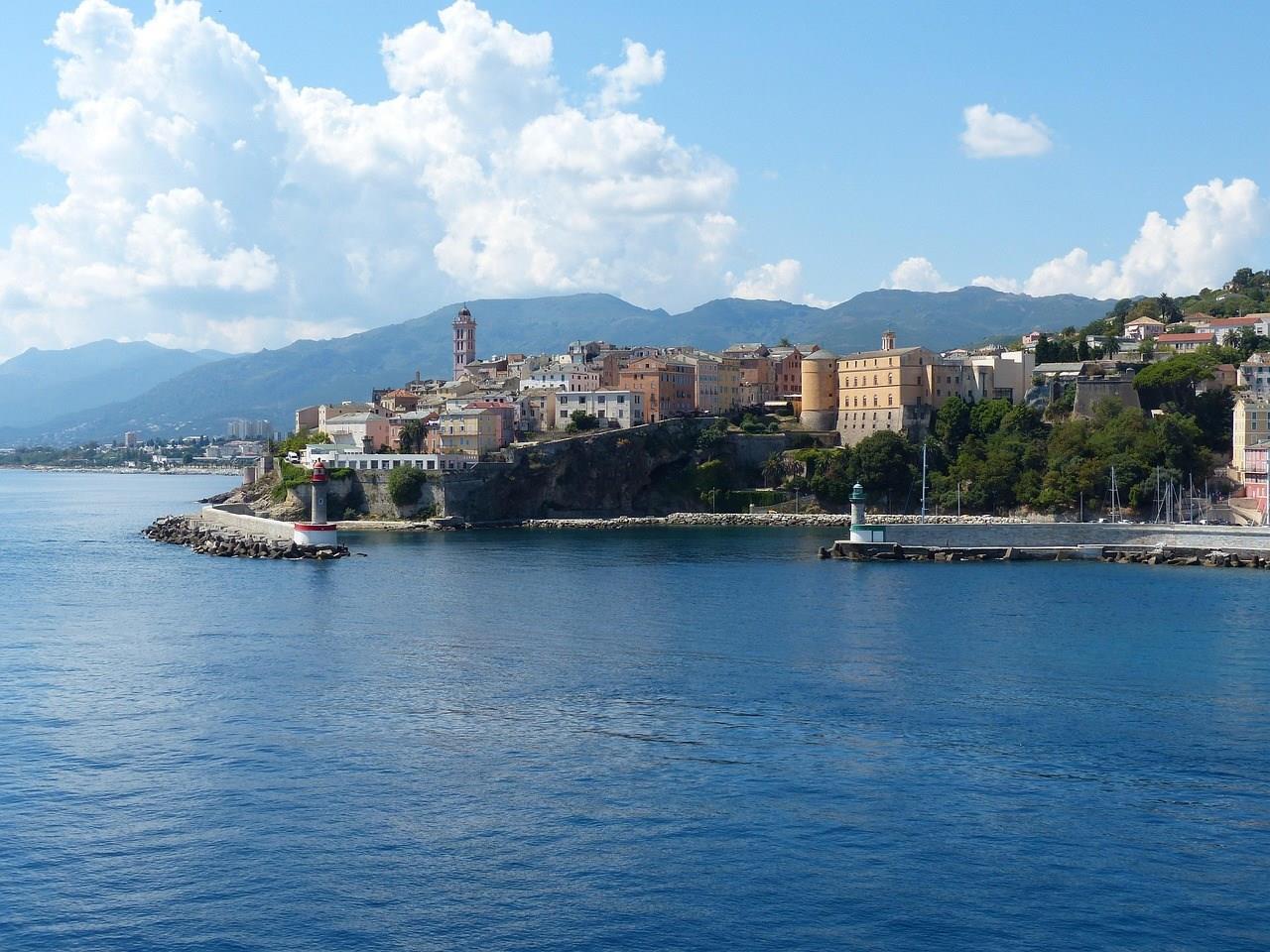
Bastia Corsica
Bastia, located on the northeastern coast of Corsica, is a city where coastal scenery and centuries of history meet at every turn. Overlooking the Tyrrhenian Sea, it serves as the island’s main port and a lively gateway for travelers arriving by ferry. Its old harbor, Vieux Port, is a highlight lined with tall, weathered houses in soft, faded colors, fishing boats bobbing in the water, and waterfront cafés that capture the steady rhythm of local life.
