

Vientiane
Vientiane, the capital of Laos, lies along the banks of the Mekong River and blends a relaxed urban pace with rich cultural heritage. The city’s streets are lined with French colonial buildings, Buddhist temples, and local markets, reflecting its history as both a trading hub and a spiritual center.
Granada
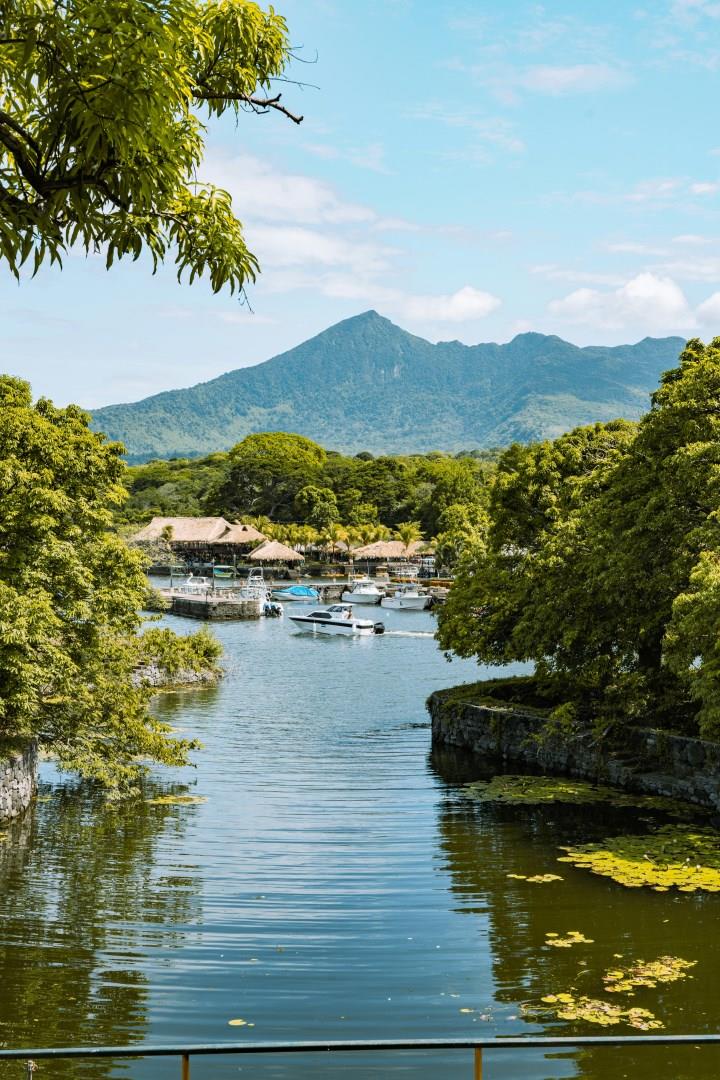
Granada, Nicaragua, founded in 1524, is one of the oldest European-established cities on the mainland of the Americas where visitors can explore cobblestone streets lined with brightly painted facades. The mustard-yellow Granada Cathedral dominates the central park and provides an easy reference point for those navigating the city on foot or by traditional horse-drawn carriage.

Whittier
Whittier is the perfect place to explore Alaska's natural beauty, providing access to nearby Emerald Cove Trail and Portage Pass Trail as well as Chugach State Park further northwest.
Nassau
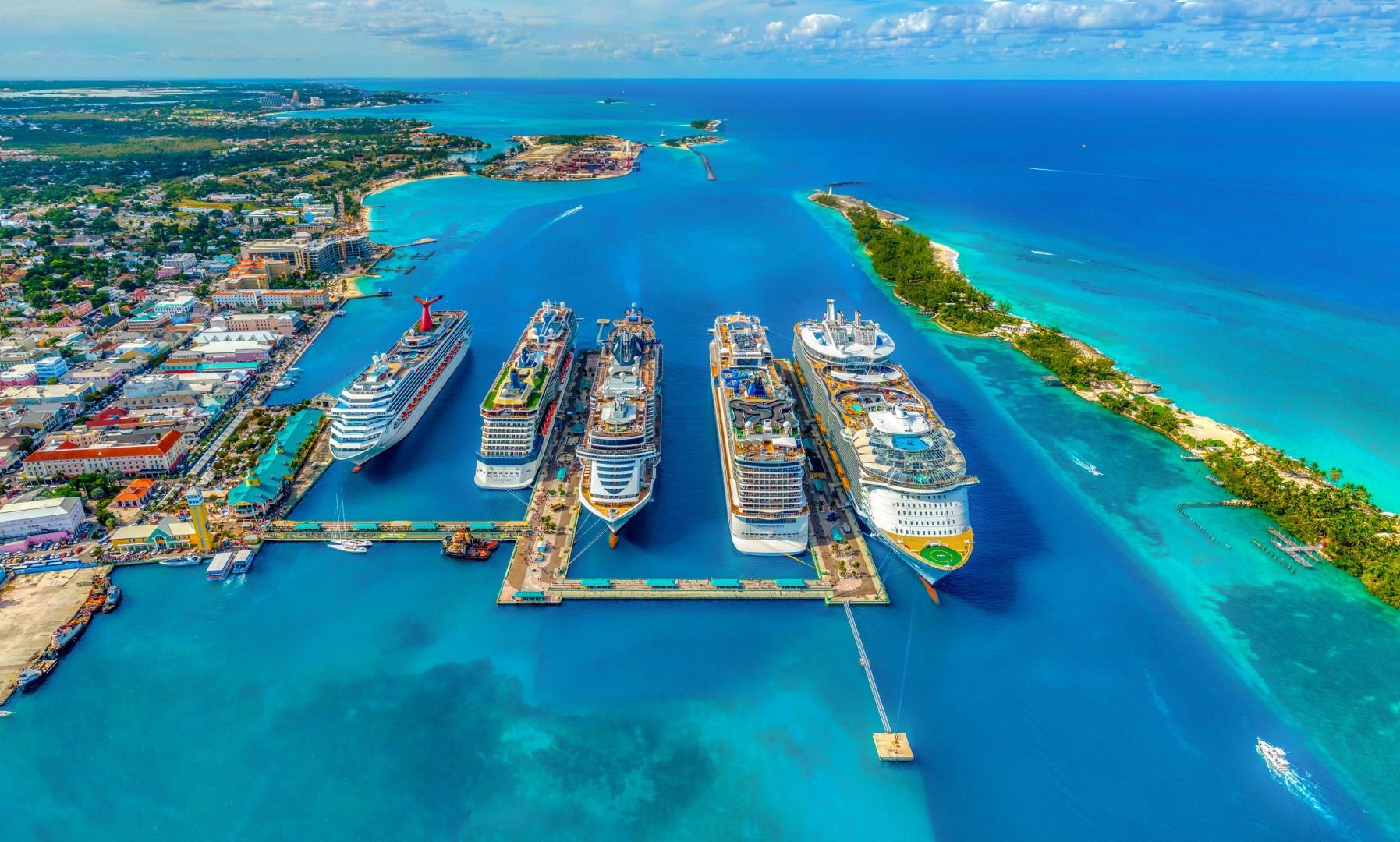
Beloved by cruise-goers, Nassau is a stunning Bahamian paradise and an essential destination on many Caribbean cruises. With so much to experience and explore, charming Nassau will easily enchant you on your adventure to the Bahamas! Hit one of Nassau’s many beaches, including Montagu Beach, Goodman’s Bay, and Cable Beach, to soak up some sunshine and relax in warm sands. Take a plunge in the ocean to snorkel or swim with dolphins, sharks, and sting rays.
Boumalne Dades
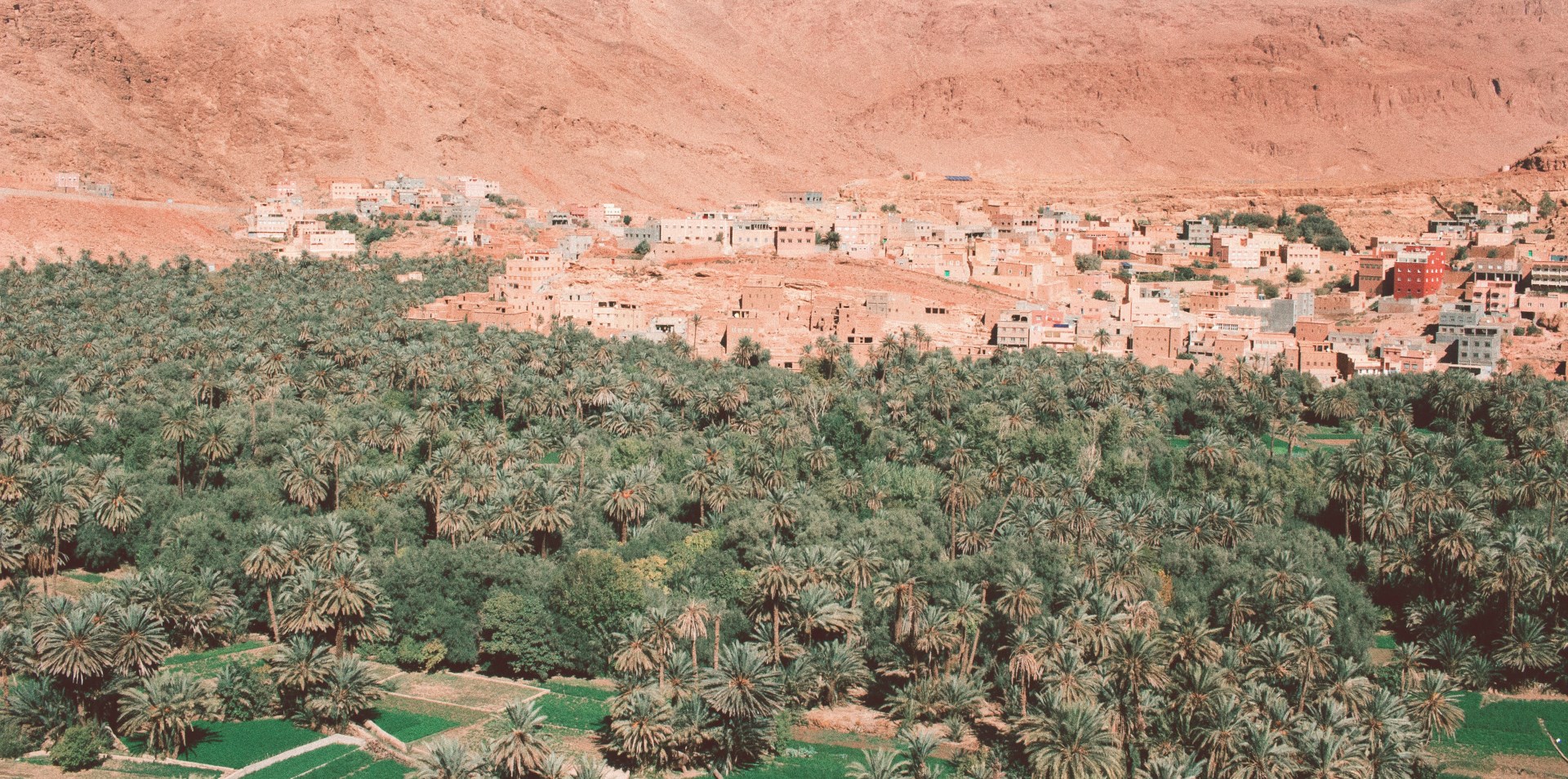
At the edge of the High Atlas Mountains, Boumalne Dades stands as a gateway to one of Morocco’s most striking landscapes. The town stretches along a broad valley where the Dades River cuts through layers of red and ochre rock. This setting creates a dramatic backdrop that shifts in color throughout the day. Travelers often arrive here as a stopping point, but many stay longer after discovering the slower rhythm of village life and the easy access to nearby valleys and gorges.
