
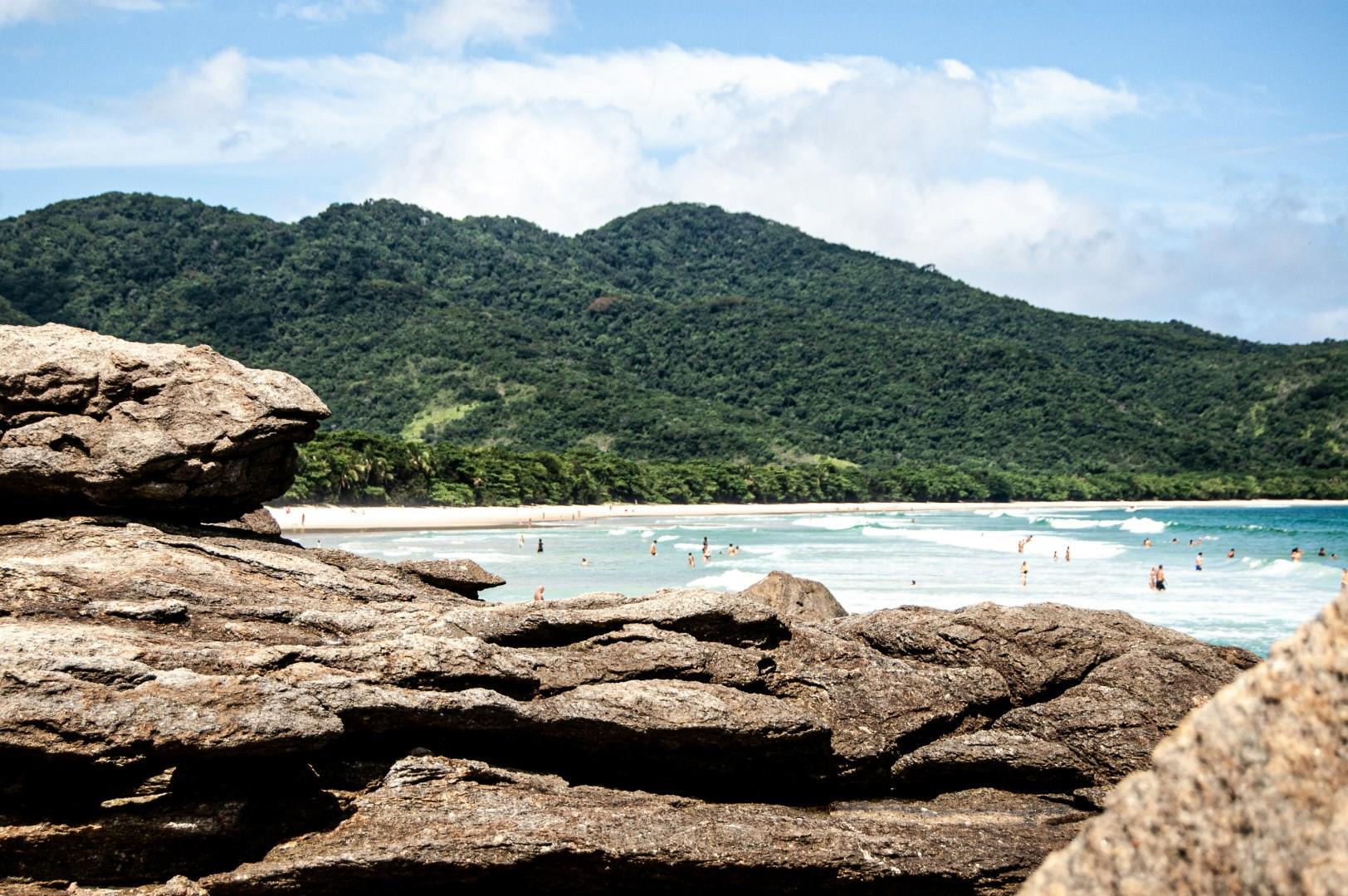
Ilha Grande
Ilha Grande, an island off the coast of Rio de Janeiro state, is a place where tropical forest and coastline meet in striking harmony. Once a pirate hideout and later the site of a penal colony, it has evolved into one of Brazil’s most remarkable island destinations. With no cars allowed and no large resorts, the island moves at a different pace, where footpaths and boats are the main ways to get around.

Heidelberg
Heidelberg, located along the scenic banks of the Neckar River in southwestern Germany, is a city steeped in history, culture, and charm. Known for its prestigious university, which is one of the oldest in Europe, the city draws visitors with its picturesque old town, medieval architecture, and vibrant academic atmosphere.
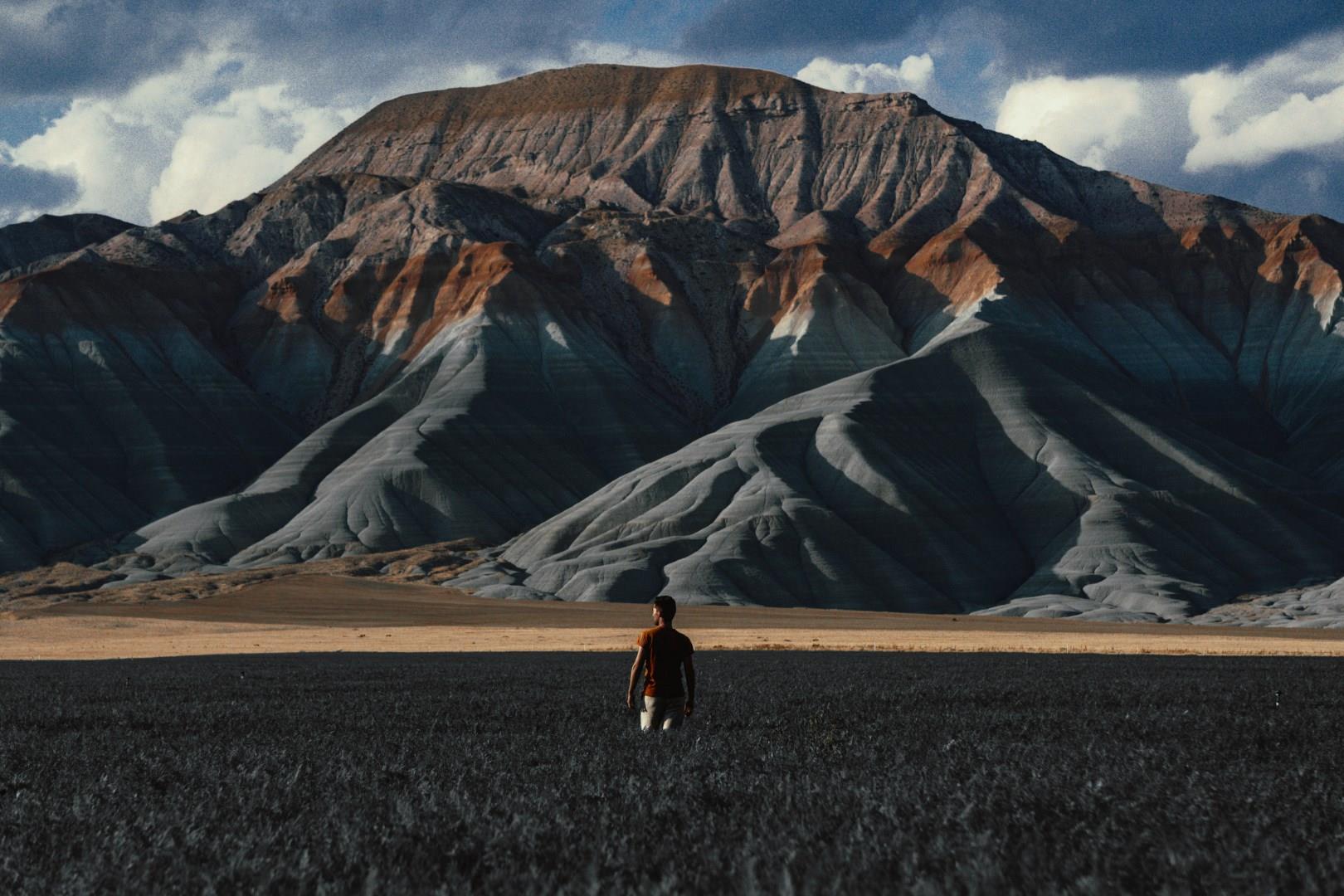
Ankara
Ankara, the capital of Turkey, sits on the Anatolian plateau and reflects the country’s layered history more quietly than Istanbul, yet with equal depth. Once an important settlement for the Hittites, Phrygians, Romans, and Byzantines, Ankara rose to national prominence in the 20th century when Mustafa Kemal Atatürk chose it as the heart of the modern Turkish Republic. Today, it functions as Turkey’s political center while preserving traces of its ancient and Ottoman past.

Warsaw
Warsaw stands as one of Europe’s most resilient cities, having rebuilt itself almost entirely after World War II. The Old Town, meticulously reconstructed using paintings by Italian artist Bernardo Bellotto, feels centuries old but is, in fact, less than a hundred years in its current form. Behind the medieval facades lie stories of uprisings, resistance, and quiet defiance. Visitors walking through Castle Square can enter the Royal Castle, where Poland’s Constitution of May 3, 1791 was adopted.
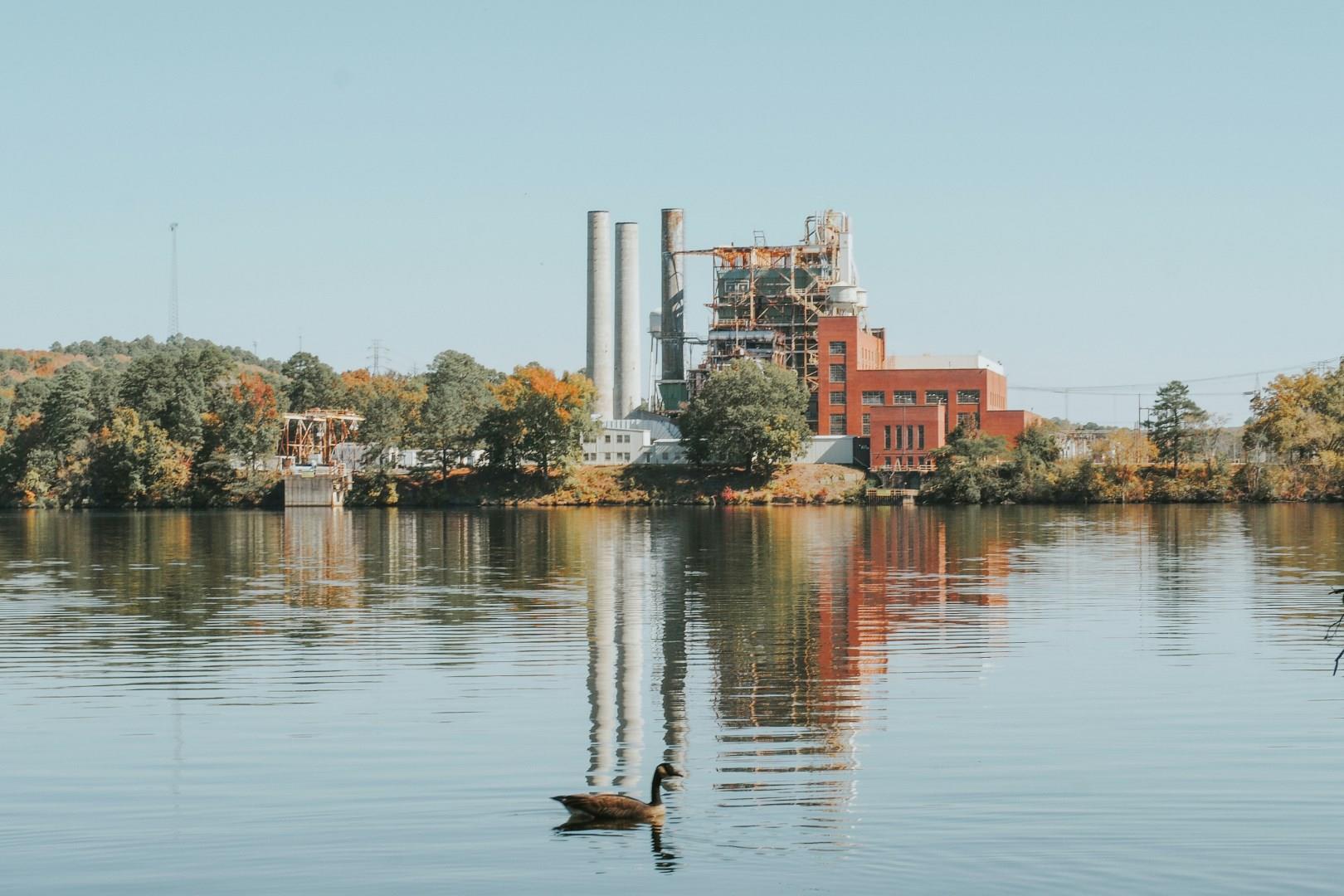
Hot Springs
Hot Springs, Arkansas has been drawing visitors for centuries, and it all starts with the water. The city sits atop a natural thermal spring system that produces nearly a million gallons of 143-degree water each day. These springs gave rise to Bathhouse Row, a stretch of eight historic bathhouses within Hot Springs National Park. Some, like the Fordyce Bathhouse, now serve as museums, while others still offer traditional thermal soaks.
