
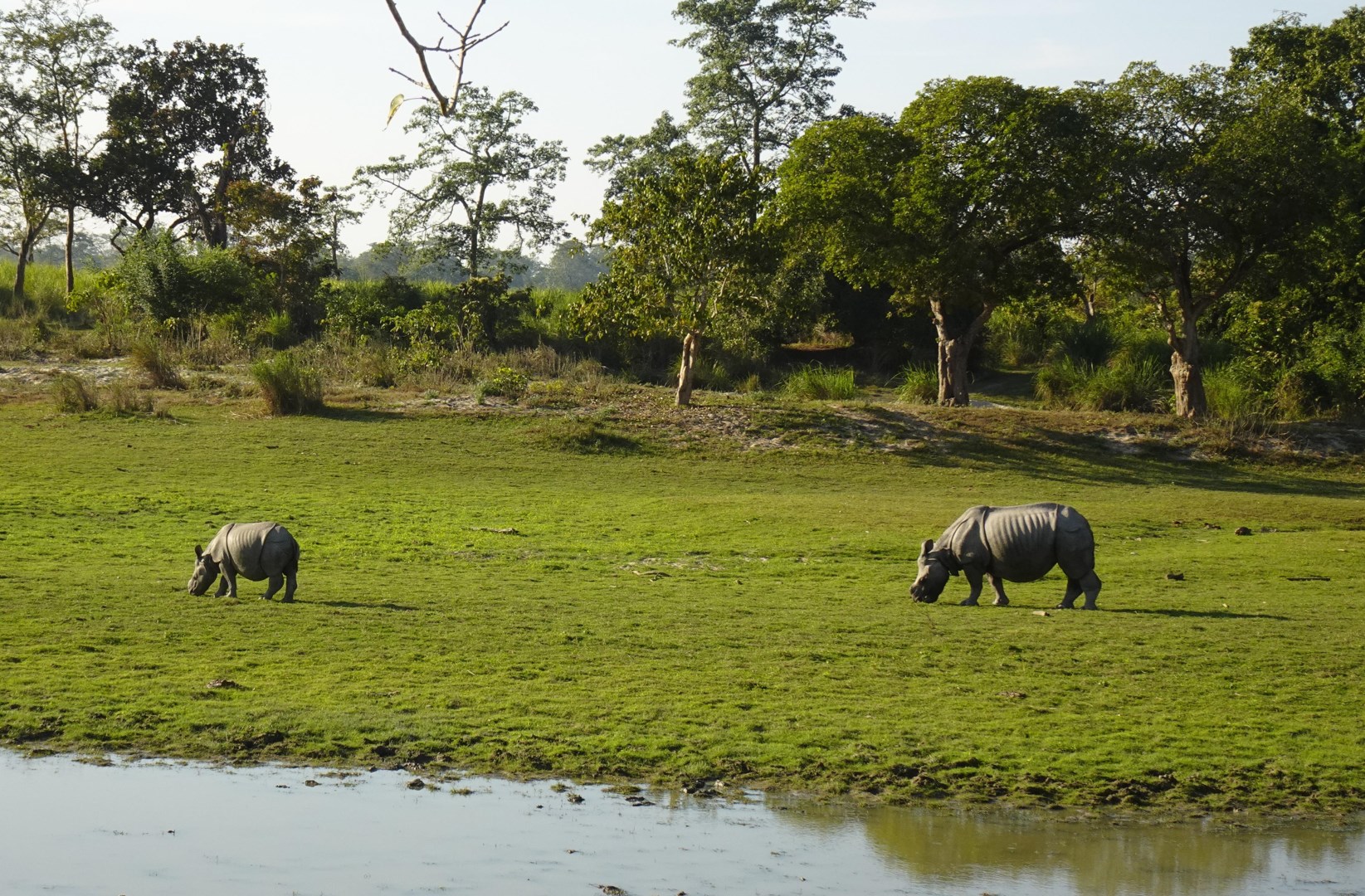
Khama Rhino Sanctuary
Khama Rhino Sanctuary is a community-based wildlife reserve in Botswana, located near the town of Serowe in the central part of the country. Established to protect endangered rhinoceros populations, the sanctuary covers a broad area of savanna and woodland, centered around natural water sources that attract a range of animals.
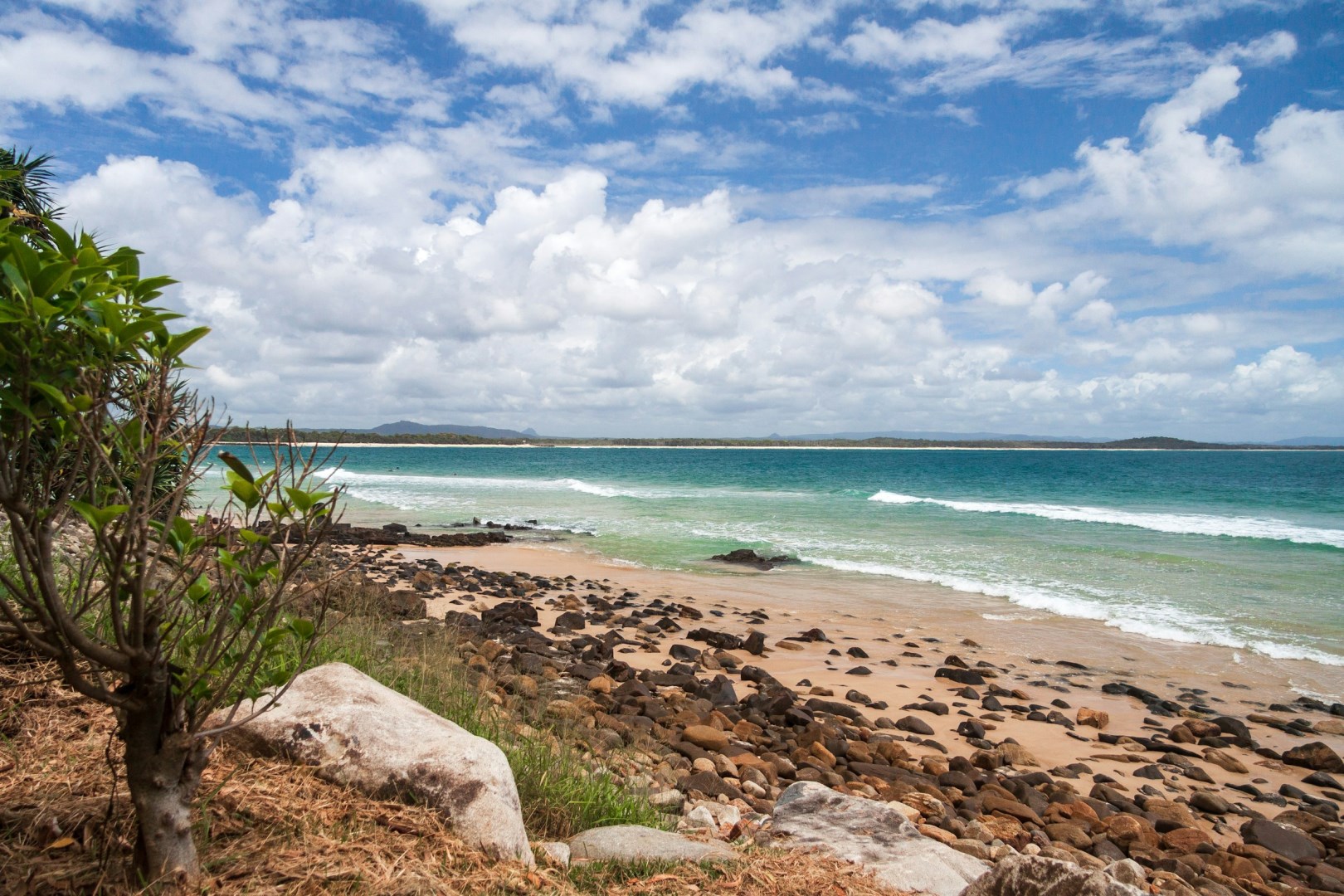
Noosa Heads
Noosa Heads, located on Queensland’s Sunshine Coast, is a coastal town renowned for its pristine beaches, lush hinterland, and relaxed yet sophisticated atmosphere. The town sits at the mouth of the Noosa River, where calm waterways meet the Pacific Ocean, creating ideal conditions for swimming, kayaking, and paddleboarding.
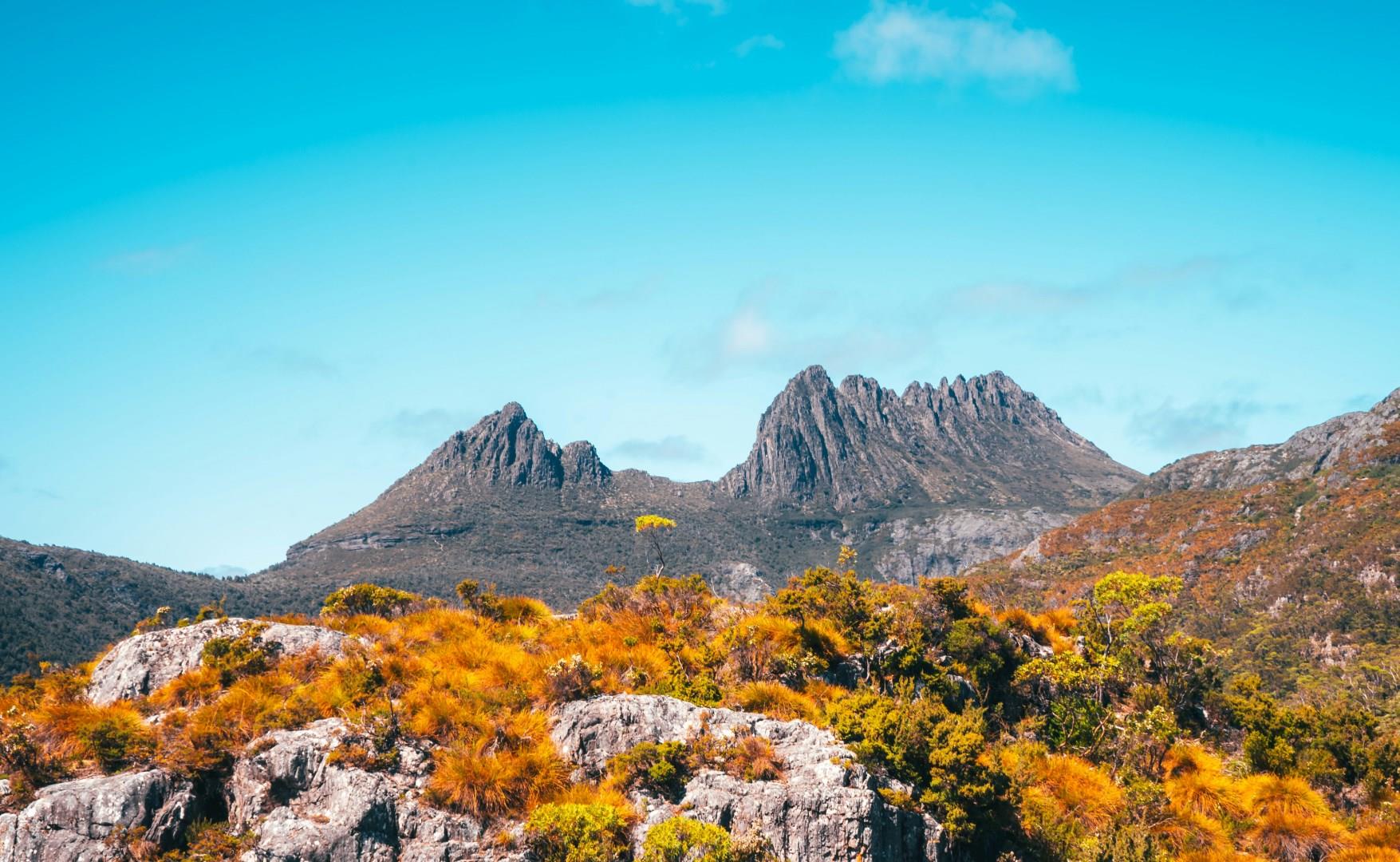
Cradle Mountain Tasmania
Cradle Mountain, located within the Tasmanian Wilderness World Heritage Area, is one of Australia's most distinctive landscapes. Towering over Dove Lake, the craggy peak rises to 1,545 meters and is often dusted with snow, even in spring. The mountain and surrounding area are part of Cradle Mountain–Lake St Clair National Park, which was established in 1922 and has since become a cornerstone of Tasmania’s protected wildlands.
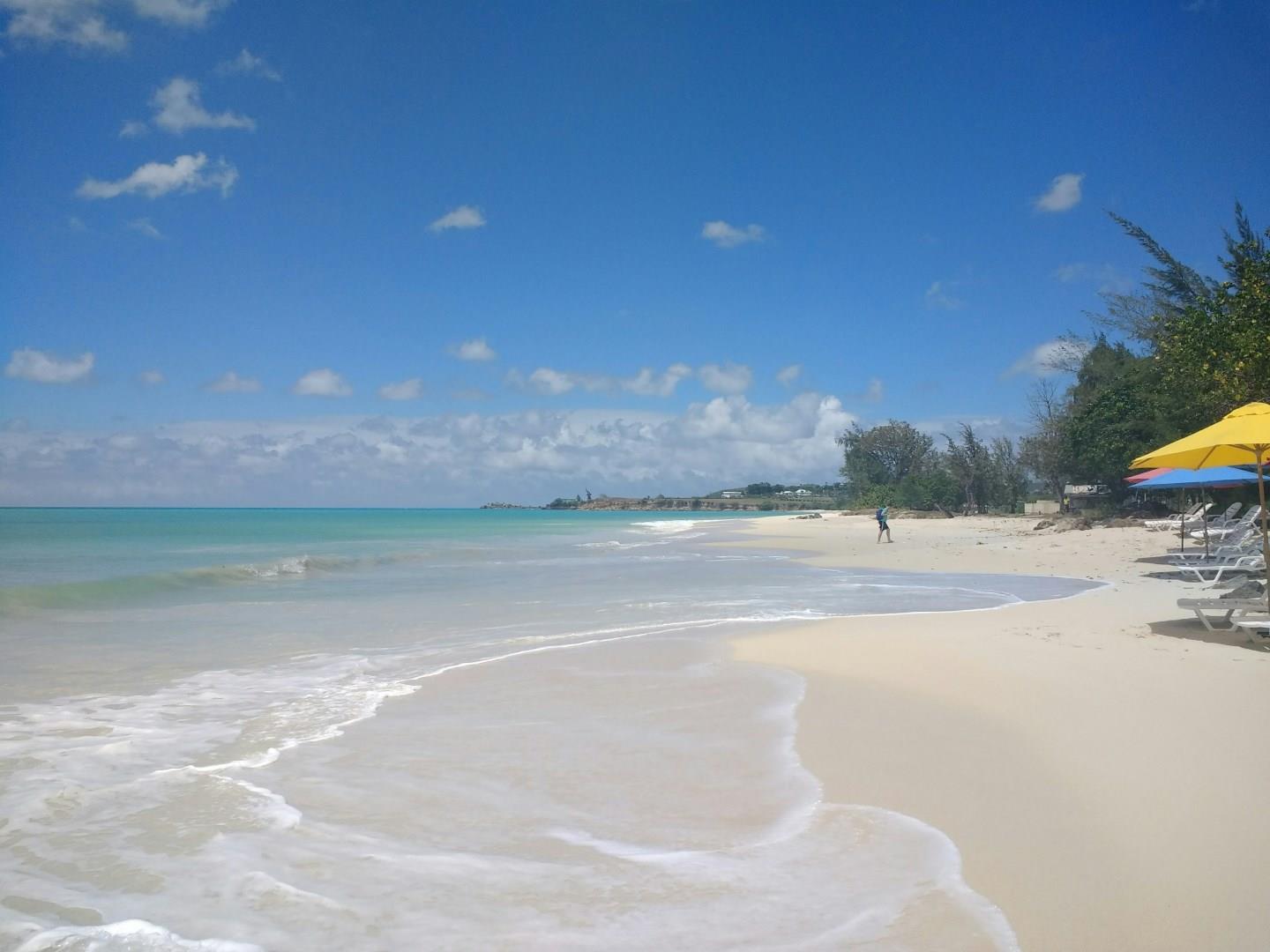
Fort James Beach
Fort James Beach, just outside St. John’s in Antigua, is a long stretch of soft white sand framed by calm, turquoise waters. The beach takes its name from nearby Fort James, a historic 18th-century British stronghold built to guard the harbor.

Seyðisfjörður
Nestled in the picturesque Eastfjords of Iceland, Seyðisfjörður is a small town that offers a unique blend of natural beauty and cultural charm. Surrounded by steep mountains and cascading waterfalls, the town is renowned for its vibrant arts scene and well-preserved wooden houses. Seyðisfjörður’s colorful architecture contrasts beautifully with the dramatic fjord landscape, creating a captivating setting for visitors.
